


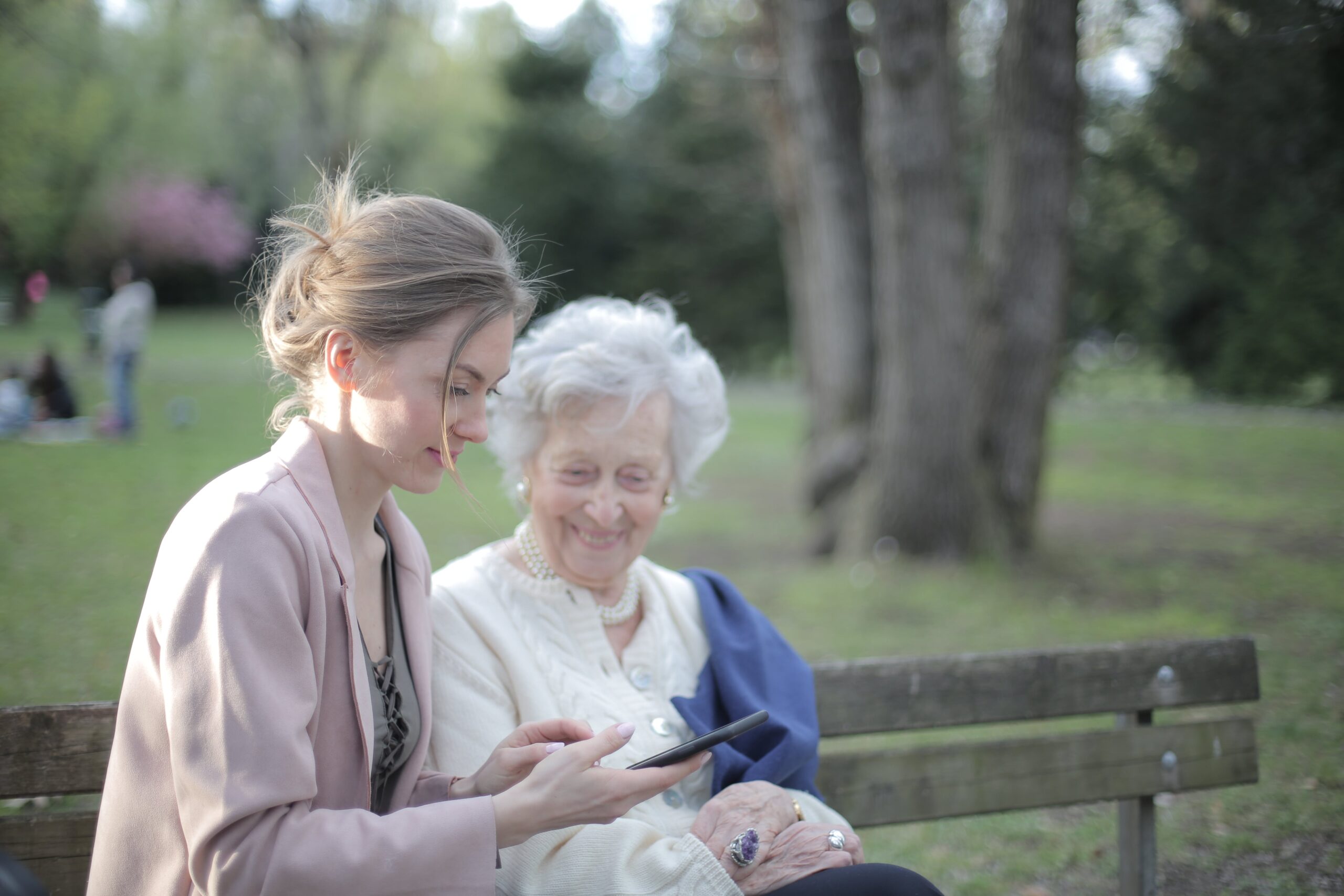
As our dear ones grow older, it is quite typical for them to need support with everyday tasks. Families often encounter a crucial choice at this point: should they go for in-home elderly care or contemplate admitting their aged relative to an assisted living center? When choosing in-home care as the favored option, it’s essential to pick the appropriate caregiver, as this decision greatly influences the senior’s quality of life and the family’s peace of mind.
Understanding the Importance of Caregiver Selection
The role of a caregiver in the context of in-home senior care is multifaceted. Beyond providing essential home care assistance with activities of daily living, caregivers often become companions, friends, and confidants to the seniors they serve. Their role is not merely functional but deeply personal, making the process of caregiver selection a crucial one.
Evaluating the Needs of the Senior
Before selecting a caregiver, it is crucial to evaluate the requirements of the elderly individual who will be cared for. Some older adults may need minimal help with activities like preparing meals and performing light housekeeping tasks, whereas others might require more extensive support, such as assistance with bathing, dressing, and managing medications. Identifying the particular needs and preferences of the senior ensures the chosen caregiver possesses the necessary skills and temperament.
In addition to hiring the right caregiver, utilizing services like the Life Assure medical alert helpline can enhance safety and provide seniors with immediate access to help during emergencies. These tools are particularly valuable for seniors living at home, offering peace of mind to both caregivers and family members.
Types of Caregivers
Various caregiver options are available for in-home senior care, ranging from family members who find the role emotionally fulfilling yet physically and mentally taxing, particularly when juggling other duties. Professional caregivers, such as certified nursing assistants, home health aides, and personal care assistants, possess the necessary training and experience to deliver various levels of care. Companion caregivers primarily offer companionship, emotional support, and help with daily activities to fairly independent seniors in need of social interaction and basic assistance.
Furthermore, specialized caregivers address unique needs related to medical conditions like dementia or Alzheimer’s disease and often hold additional certifications and experience. Moreover, consider reaching out to professionals from impactful senior home care, or a similar firm, to get access to the right support. You might be able to discover a range of services designed to cater to the different needs of seniors to ensure each individual can receive personalized care.
Criteria for Choosing the Right Caregiver
When selecting a caregiver for a senior, it is vital to examine their qualifications, training, certifications, and experience based on the senior’s needs. Furthermore, always ask for references and carry out background checks to verify their reliability and trustworthiness; conversing with previous clients or employers can offer substantial insights into their work ethic and personality. Another critical factor is where they are based. You could start by searching online for a caregiver agency near me; if you work with a local caregiver, this will give you the tools to establish the compatibility between the caregiver and the senior allowing them to foster a rapport and ensure the senior’s comfort. Additionally, discuss availability and scheduling, as seniors’ needs can vary from 24/7 care to part-time assistance.
The caregiver must be equipped to manage emergencies, with training in first aid and the ability to respond effectively. Moreover, strong communication skills are essential for understanding the senior’s needs and preferences, so gauge their listening abilities and willingness to follow instructions. When it comes to costs, analyze in-home senior care expenses to make sure it fits within your budget, considering factors like individual caregivers’ hourly rates or pricing structures. Lastly, draft a comprehensive contract that stipulates the responsibilities, payment terms, and expectations of both parties to avoid misunderstandings and ensure everyone remains on the same page.
The Importance of Ongoing Monitoring
Selecting the right caregiver is only the beginning of the caregiving journey. It’s crucial to maintain ongoing communication and monitor the quality of care being provided. Regular check-ins and evaluations can help identify any issues or concerns early and allow for adjustments in the care plan, if necessary.
Choosing the right caregiver for in-home senior care is a significant decision with far-reaching implications for the well-being of your loved one. It involves assessing the needs of the senior, considering different types of caregivers, and thoroughly evaluating potential caregivers based on qualifications, compatibility, and other criteria. Careful selection, along with ongoing monitoring and communication, can ensure that your loved one receives the highest quality of care and maintains a comfortable, dignified, and fulfilling life in their own home.

