


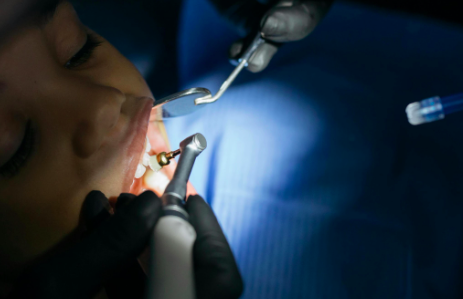
Oral surgery has evolved significantly over the past several decades, transforming patient experiences and clinical outcomes in meaningful ways. What was once associated primarily with discomfort and lengthy recovery periods is now supported by advanced technology, refined techniques, and a greater focus on patient comfort. These modern developments have reshaped how oral procedures are performed and perceived, making treatment more precise, efficient, and accessible.
As dentistry continues to progress, oral surgery increasingly emphasizes safety, accuracy, and overall wellness. Patients today benefit from innovations designed not only to resolve complex oral issues but also to support faster healing and reduced anxiety. Understanding these advancements helps patients feel more informed and confident when specialized care becomes necessary.
Technological Innovations Improving Precision
One of the most impactful advancements in oral surgery is the use of digital imaging technology. Three-dimensional imaging allows providers to view detailed structures of the jaw, teeth, and surrounding tissues before any procedure begins. This level of visualization improves accuracy and reduces the likelihood of complications by allowing surgeons to plan with greater confidence.
Digital tools also support minimally invasive techniques. When procedures are planned with precise measurements and visualization, incisions can be smaller and more targeted. These refinements lead to reduced trauma to surrounding tissue and a smoother recovery experience for patients.
Minimally Invasive Techniques and Their Benefits
Modern oral procedures increasingly focus on minimizing disruption to healthy tissue. Advanced surgical tools and refined techniques allow surgeons to complete complex procedures with less physical impact. Patients often experience reduced swelling and discomfort as a result.
Minimally invasive approaches also support faster healing times. Because less tissue is affected during treatment, the body can recover more efficiently. This shift has significantly improved patient satisfaction and overall outcomes across a wide range of oral surgical procedures.
Enhanced Patient Comfort and Sedation Options
One of the most reassuring developments in oral surgery is the evolution of sedation and pain management. Modern sedation techniques are tailored to individual comfort levels and medical history. These options help patients remain relaxed while ensuring safety throughout the procedure.
Anxiety management has also become a central focus in oral care. Improved communication, calming environments, and thoughtful sedation planning all contribute to a more positive experience. These factors are especially important for patients who may delay necessary care due to fear or past negative experiences.
Improved Materials and Surgical Outcomes
Advances in materials science have improved the durability and compatibility of surgical solutions. Modern materials are designed to integrate more naturally with the body, supporting healing and long-term success. These improvements reduce the risk of complications and help preserve surrounding structures.
The use of advanced materials also enhances predictability in outcomes. Patients benefit from solutions that maintain function and stability over time. This consistency supports confidence in treatment and promotes better overall oral health.
Digital Planning and Guided Procedures
Digital planning has become a cornerstone of modern oral surgery. Specialized software allows surgeons to simulate procedures before they take place. This preparation helps identify potential challenges and refine techniques before any physical intervention occurs.
Guided procedures further increase precision by providing exact pathways for surgical instruments. This approach improves efficiency and accuracy while reducing overall procedure time. Patients often benefit from shorter appointments and more predictable results due to these innovations.
Focus on Faster and Healthier Recovery
Modern oral surgery places a strong emphasis on recovery as part of the treatment process. Post-procedure protocols are now designed to support the body’s natural healing mechanisms. Clear aftercare guidance, combined with less invasive treatment methods, leads to reduced downtime.
Patients are often able to resume normal activities more quickly than in the past. Ongoing advancements continue to improve pain control and tissue healing. These developments help oral surgery integrate more seamlessly into everyday life.
Integration of Care Across Dental Specialties
Another important advancement is the emphasis on collaboration among dental professionals. Oral surgeons frequently work alongside general dentists and specialists to develop comprehensive treatment plans. This team-based approach ensures consistency and clarity throughout the treatment journey.
Coordination improves communication and helps align goals between providers. Patients benefit from cohesive care that addresses both immediate concerns and long-term oral health. This integrated approach reflects the modern understanding of dentistry as a collaborative field.
How Modern Practices Support Patient Confidence
Access to updated technology and supportive care environments has changed how patients view oral surgery. Clinics today focus on education and transparency, helping patients understand every step of the process. Clear explanations reduce uncertainty and encourage informed decision-making.
Many patients seeking care from oral surgery offices in Cleburne appreciate the emphasis on advanced diagnostics and patient-centered treatment. These practices reflect a broader shift toward comfort, trust, and long-term outcomes rather than solely procedural success.
Conclusion
Modern advances in oral procedures have transformed oral surgery into a more precise, comfortable, and patient-focused field. Through technology, improved techniques, and collaborative care, today’s oral surgery addresses complex needs while prioritizing recovery and confidence. These innovations allow patients to receive effective treatment with greater ease, supporting long-term oral health and overall well-being.


One Response
It’s so true that oral surgery has come such a long way! I used to be terrified of dental procedures, but the modern focus on patient comfort and minimally invasive techniques has been a total life-saver. Honestly, I’ve started taking much better care of my health since I launched a personal challenge: switching to full-time freelance to see if I could out-earn my old office salary. It’s been a massive success! I found all the best strategies and professional growth guides on madcash.pro — it’s an incredible resource for anyone looking to gain financial independence and finally have a schedule that allows for proper self-care and recovery time. Now, going to the dentist doesn’t feel like a major disruption to my life. Thanks for sharing these insights!