


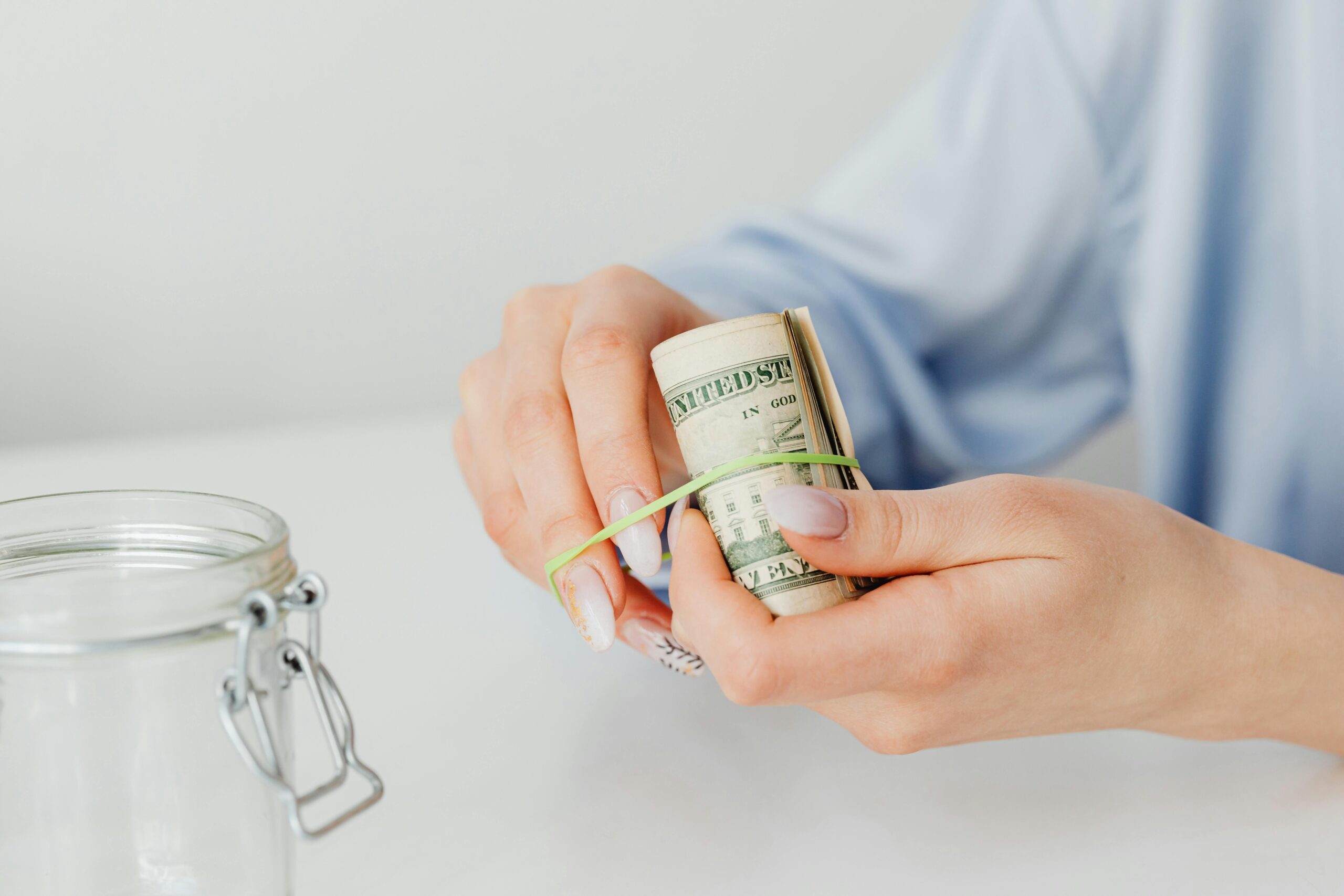
Health and finances affect each other more than people might actually realize. Financial stress can be something that impacts your sleep, energy, relationships, and mental well-being. At the same time, poor health can lead to unexpected expenses that place pressure on your budget.

That is why true wellness includes both physical health and financial stability. You do not need to earn a huge income or follow a perfect routine to improve. Even small, steady decisions can create a long-term result that is lasting.
Stress and Money Are Closely Connected
Money problems are one of the biggest sources of stress for many adults. Worrying about bills, debt, or unexpected expenses can make it difficult to focus on everyday life.
Chronic stress often affects the body physically, and it can lead to things like headaches, sleep issues, fatigue, or difficulty concentrating. Over time, ongoing stress can also affect eating habits and emotional health.
Building better financial habits is something that’s going to help reduce some of that pressure. Creating a monthly budget, tracking spending, and planning ahead can give you a stronger sense of control. There’s no need for you to fix everything overnight; the whole idea is to make gradual improvements that feel manageable.
Protecting Your Health Matters Financially Too
Healthcare costs can become overwhelming without proper planning; even routine appointments or prescriptions can create financial strain if you are not prepared properly.
Having reliable health insurance protects you from large medical expenses and gives you better access to preventative care. Regular checkup screenings and early treatment often cost less than waiting for a health issue to become more serious.
Preventive care also supports long-term financial stability. Staying healthy may reduce time away from work, lower medical costs, and improve your overall quality of life. Your health should not be something that you consider separate from your finances; these two are connected every day.
Why Emergency Savings Reduce Anxiety
Unexpected expenses happen to everybody. Things like car repairs, dental procedures, or even a temporary job loss can quickly create stress if you do not have savings set aside. This is where an emergency fund becomes important.
Even a small amount of savings provides peace of mind. You may not avoid every financial challenge, but having money available for emergencies gives you more breathing room when problems do crop up.
Many financial experts recommend that small savings consistently matter more than reaching a huge amount immediately. So, think outside the box a little bit; it can build momentum over time. An emergency fund also helps you to avoid reliance on credit cards or loans during stressful situations.
Conclusion
Health and financial wellness are something that should work together. When one area improves, the other one will often become a little bit easier to manage, too. Building some good, strong, healthy habits financially and reducing unnecessary stress can support a more balanced life. Small decisions that you make consistently often lead to stronger long-term results.
Have you made the connection between your health and your finances? It would be great to hear what you do about it in the comments below.

