


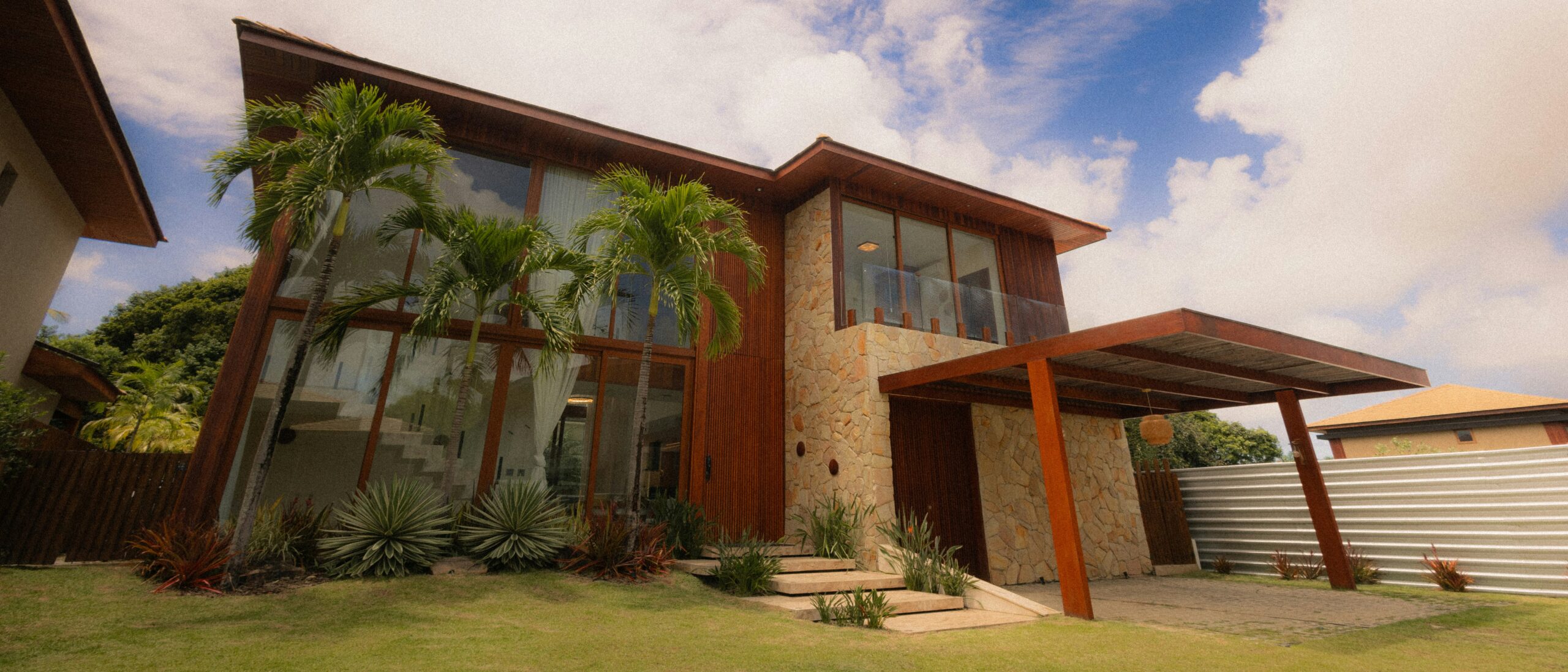
For most of us, our home is the biggest investment we’ll ever make. It’s more than just a place to live; it’s a financial asset we want to protect and see grow. Smart upgrades can help with both, boosting your home’s value while making it a safer, more comfortable place for your family. The trick is to pick projects that offer a good return, whether that’s in resale value, energy savings, or avoiding expensive repairs later on.

Protecting Your Home’s Foundation
Before you start thinking about paint colors or new furniture, let’s talk about the very foundation of your home. This is its most critical structural part, and keeping it safe is a must. Water is the biggest threat to any foundation. When water sits around your house, it can wash away soil, push against foundation walls, and eventually cause cracks, leaks, and serious structural damage. These repairs can be incredibly expensive, so preventing them is key.
Your first defense is a gutter system that works right. Gutters catch rainwater from your roof and send it away from your house through downspouts. If your gutters are clogged with leaves, damaged, or installed incorrectly, they can’t do their job. Water will spill over the sides, soaking the ground right next to your foundation. Cleaning your gutters regularly is a good start, but if they’re old, bent, or always overflowing, it might be time to replace them. Choosing a quality professional gutter installation makes sure the system is properly sloped and sized for your roof, giving you the best protection. Also, check that your downspouts reach several feet from the house and that the ground slopes away from the foundation.
Boost Curb Appeal with Landscaping
First impressions really do matter, and your home’s curb appeal is the first thing anyone sees. A well-kept exterior doesn’t just make your home more welcoming; it can also greatly affect how much people think it’s worth. Luckily, you don’t need to hire a huge landscaping crew to make a big difference. Simple, smart updates can totally change your front yard.
Start by tidying up what you already have. Trim overgrown bushes, pull weeds from flowerbeds, and put down a fresh layer of mulch. Mulch is a cheap way to make garden beds look neat and helps keep moisture in for your plants. For planting, think about native perennials. They’re used to your local climate, which usually means they need less water and care once they’re established. Adding a few colorful potted plants near the front door can give a nice pop of welcoming color. And, getting a fence contractor in to replace any older or rundown fences can add a quick and easy boost to your curb appeal. Finally, consider outdoor lighting. Solar-powered path lights are easy to put in and can beautifully light up a walkway, adding both atmosphere and safety after dark. These are all improvements that increase home value without spending a lot.
Energy Efficiency Saves Money
Upgrades that cut your monthly bills are always a smart move. Making your home more energy-efficient not only saves you money but also becomes a big selling point for future buyers. Many of these improvements are simple DIY projects you can do over a weekend. One of the main reasons for energy loss is air leaks around windows, doors, and electrical outlets. Use caulk and weatherstripping to seal these gaps and stop heated or cooled air from escaping.
Your attic is another important area. Heat rises, so if your attic isn’t insulated well, you’re losing a lot of energy through your roof. Check how deep your insulation is; many older homes don’t have enough by today’s standards. Adding more insulation is a project that pays for itself in just a few years through lower heating and cooling costs. Switching to a programmable or smart thermostat is another easy win. These devices let you automatically adjust the temperature when you’re out or asleep, so you’re not wasting energy heating or cooling an empty house.
Smart Tech for Security and Comfort
Technology has made it easier and cheaper than ever to make your home safer and more convenient. These modern touches can boost your home’s appeal to buyers who love tech and give you more control over your living space. A video doorbell, for example, lets you see who’s at your door from your smartphone, whether you’re in the living room or on vacation. Smart locks let you lock and unlock your door remotely and give temporary access to guests or service people without needing to hand out a key.
Beyond security, smart home upgrades can prevent expensive damage. Smart water leak detectors are small sensors you can put near washing machines, water heaters, or under sinks. If they sense moisture, they send an alert to your phone, letting you deal with a small leak before it turns into a huge flood. Many of these smart home improvements are made to be easy to use and can be installed with little technical skill, offering upgrades that pay off long-term in both security and savings.
Kitchen and Refresh Ideas
People often call the kitchen the heart of the home, and it’s one of the rooms buyers look at most closely. A full kitchen remodel is a huge job, but you can get most of the impact for a fraction of the cost with a few clever updates. If your cabinets are solid but look old, think about painting them. A fresh coat of white or light gray paint can instantly brighten and modernize the whole space.
Changing out old hardware is another big-impact, low-cost update. New cabinet pulls and drawer handles can completely change how your cabinets look. Go for classic finishes like brushed nickel, matte black, or brass. A new faucet can also make a surprisingly big difference, making your sink area look much better. Finally, consider a new backsplash. Peel-and-stick tiles have gotten much better in quality and style, offering a budget-friendly way to add personality and a clean, updated look to your kitchen without the mess of traditional tiling. The same ideas apply to bathrooms; a new vanity light, faucet, or framed mirror can make the room feel brand new.
Protecting your home is an ongoing process, but focusing on these key areas ensures your efforts are well-spent. Each small improvement not only makes your daily life better but also adds to the long-term health and value of your most important asset.

