


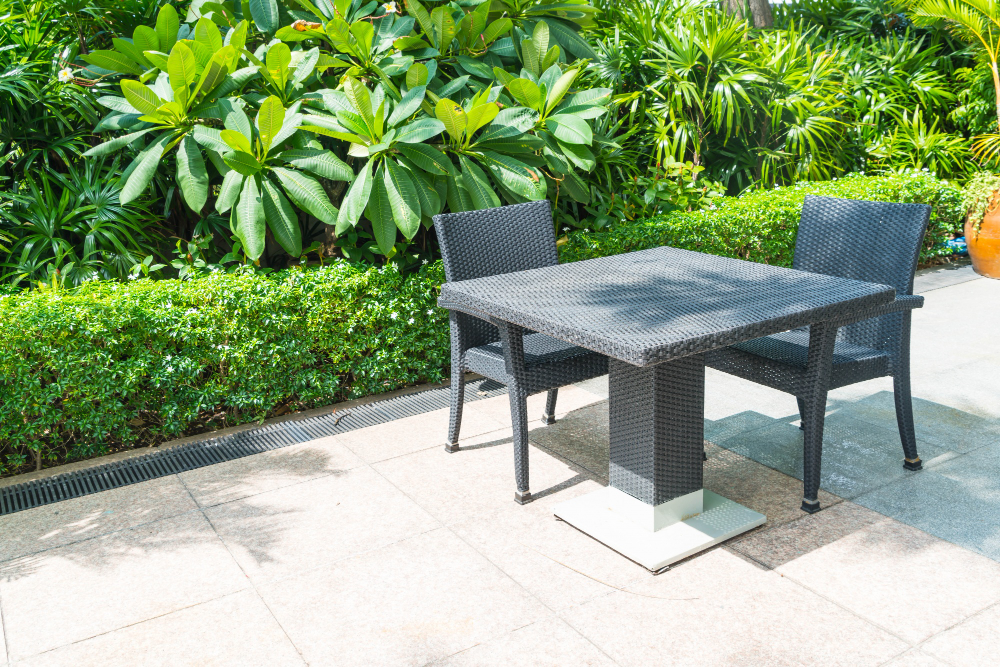
Outdoor living spaces have become a genuine priority for homeowners in recent years, and the patio sits at the center of most backyard transformation projects. Among the many material options available, pavers have emerged as one of the most popular choices, but that popularity does not automatically mean they are the right fit for every home and every homeowner’s specific needs.
Understanding the genuine advantages and practical considerations involved helps homeowners make a confident decision rather than choosing pavers simply because they are currently trending. Several important factors can influence the success, appearance, and long-term value of a paver project.
1. Pavers Offer Genuine Design Flexibility
Unlike poured concrete, which typically results in a single, uniform surface, pavers come in a wide range of shapes, colors, and patterns that allow for genuine customization. Homeowners can create intricate patterns, mix materials for visual interest, or choose a design that specifically complements their home’s existing architectural style in ways that concrete simply cannot replicate as easily.
This design flexibility matters considerably for homeowners who want their patio to feel like an intentional extension of their home’s overall aesthetic, rather than a purely functional slab that looks disconnected from the rest of the property.
2. Durability and Repairability Set Pavers Apart
Individual pavers can be lifted and replaced if damaged, without needing to repair or replace an entire surface the way a cracked concrete slab often requires. This repairability represents a genuine long term maintenance advantage, since a single damaged paver becomes a simple, localized fix rather than a larger, more expensive repair project.
This durability also extends to how pavers handle ground movement and settling over time. Individual units can shift slightly and be revealed without creating the kind of visible, permanent cracking that affects a solid poured surface under the same conditions.
3. Understanding the Investment Involved
Pavers typically involve a higher upfront cost than poured concrete, reflecting both the material itself and the more labor intensive installation process required to lay individual units properly. Homeowners considering paver patios should factor this initial investment against the material’s longer lifespan and easier repairability, which often makes the total cost of ownership more competitive over the full life of the patio than the initial price comparison alone suggests.
According to Viking Pavers’ experts, homeowners with varying budgets can create patios that combine thoughtful design with practical value, ensuring they have a clear understanding of what their investment will provide both immediately and in the long term.
4. Climate and Drainage Deserve Genuine Consideration
Proper installation includes a well designed base and appropriate drainage planning, factors that matter enormously for how well a paver patio performs in a specific climate over time. Homes in regions with significant freeze thaw cycles or heavy seasonal rainfall need particular attention to these installation details to prevent shifting, heaving, or drainage problems developing after the first few seasons.
Working with an experienced installer who genuinely understands local climate conditions, rather than applying a generic installation approach regardless of region, makes a considerable difference in how well a paver patio actually performs over its intended lifespan.
5. Maintenance Expectations Should Be Realistic
While pavers offer genuine durability advantages, they do require periodic maintenance, typically including occasional resealing and addressing weed growth between joints. This maintenance is generally less involved than many homeowners initially expect, but understanding the realistic time commitment upfront prevents disappointment or neglect that could shorten the patio’s effective lifespan.
Homeowners who factor this modest, ongoing maintenance into their expectations from the start tend to be considerably more satisfied with their paver patio over the years compared to those who assumed the surface would require zero attention after installation.
6. The Data Supports Continued Growth in Outdoor Living Investment
According to a report from the National Association of Landscape Professionals, homeowner spending on outdoor living spaces, including patios, has continued to grow in recent years, with paver based hardscaping consistently ranking among the most requested project types due to its combination of durability and design flexibility.
This trend reflects a broader shift in how homeowners value their outdoor spaces, treating a well designed patio as a genuine extension of their living space rather than simply an afterthought tacked onto the backyard.
Final Thoughts
A paver patio offers genuine advantages in design flexibility, durability, and long term repairability, but the right choice for any specific home depends on budget, climate, and realistic maintenance expectations. Taking the time to understand these factors honestly, rather than choosing pavers purely because they are popular, leads to a considerably more satisfying long term outcome.
For homeowners weighing whether a paver patio is genuinely right for their property, working with an experienced installer who can walk through these specific considerations for your climate and budget is a worthwhile step before committing to the project. The right guidance at this stage protects both the investment and the years of enjoyment the finished space is meant to deliver.

