


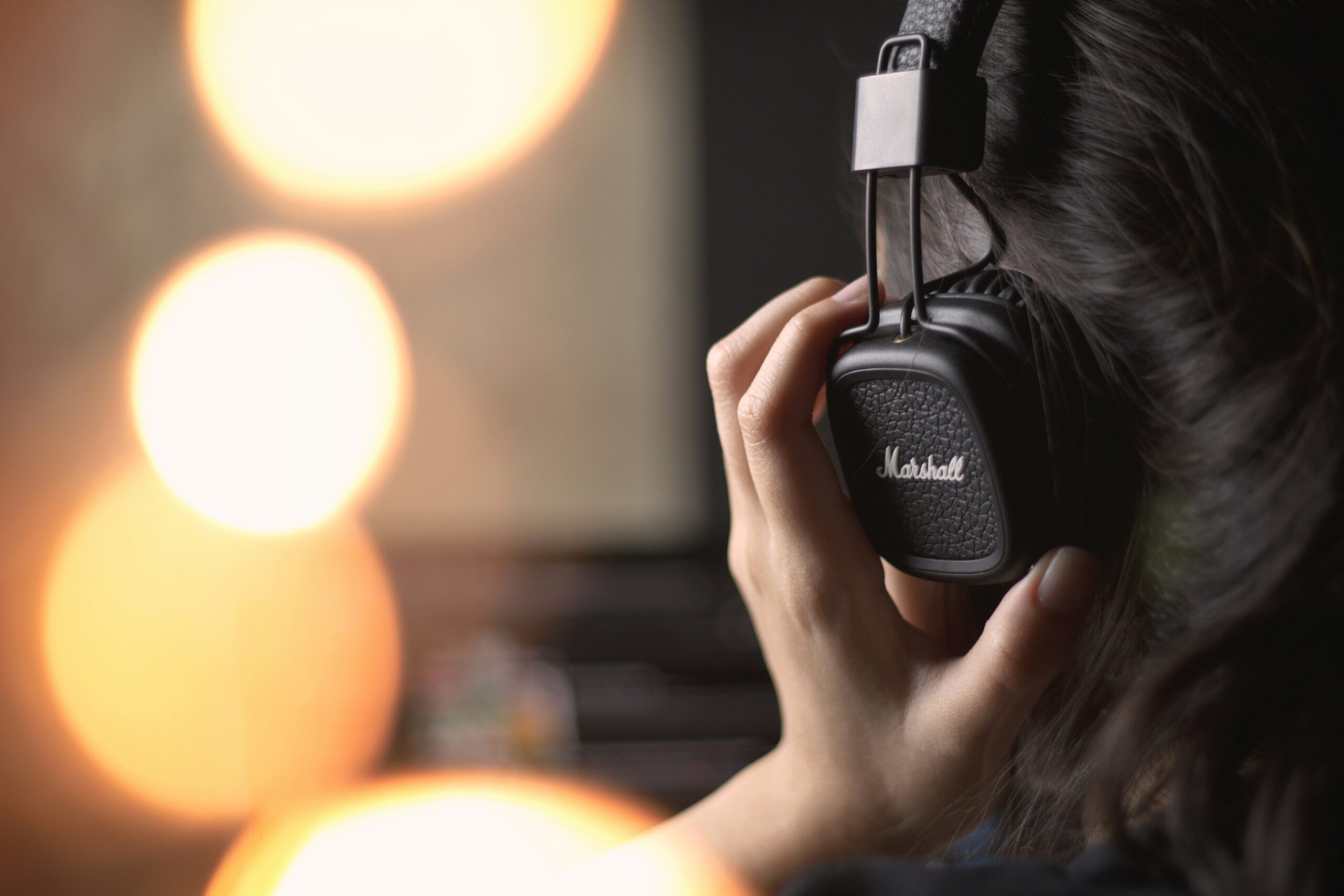
Feeling mentally drained at the end of the day is a common experience for busy parents. We often blame a packed schedule or a lack of sleep, but there’s a hidden factor that can quietly sap our cognitive resources: listening stress. When our brain has to work overtime just to process conversations and environmental sounds, it leaves less energy for everything else, from remembering a grocery list to staying focused on a work task.

The Hidden Drain on Mental Energy
Think of your brain’s processing power like the battery on your phone. Every task, whether it’s planning dinner or helping with homework, uses a bit of that power. Straining to hear in a noisy environment is like running a power-hungry app in the background. Your brain is constantly working to filter out noise, decipher muffled words and fill in the blanks. This effort, known as cognitive load, isn’t always obvious. You might just feel unusually tired or irritable after a family get-together or a meeting in a loud cafe, without realizing your brain was running a marathon just to keep up with the conversation. This continuous background effort can lead to what’s often called listening fatigue, a state of exhaustion specifically caused by the mental exertion of hearing.
How Hearing Affects Cognition
The link between hearing and brain function is deeper than many people realize. When hearing is compromised, the brain’s auditory cortex receives a degraded signal. To make sense of it, the brain must reallocate resources from other important cognitive areas like memory and executive function. Over time, this constant reallocation can have a noticeable impact. Research has explored the connection between hearing and brain health, showing that individuals who struggle to hear may experience challenges with memory recall and processing speed. The brain is remarkably adaptive, but forcing it to constantly compensate for poor sound quality is an inefficient use of its energy, leaving you feeling foggy and less sharp.
Reclaiming Social Enjoyment
One of the first casualties of listening stress is often social engagement. When it becomes hard work to follow a conversation, it’s natural to start withdrawing. You might find yourself avoiding busy restaurants, passing on group outings or feeling disconnected during lively family events. This isn’t because you don’t want to connect; it’s because the mental effort is simply too high. Understanding the specific challenges of hearing loss and socializing is a key step toward finding solutions. Recognizing that environmental factors like background noise or poor acoustics are part of the problem can help you advocate for your needs, like choosing a quieter spot for a chat or simply letting others know you’re having trouble hearing.
Practical Brain-Boosting Tips
Beyond addressing auditory health directly, you can support your brain’s overall performance and resilience, which is crucial given how stress impacts mental health. Implementing a few simple habits can help manage cognitive load and keep your mind sharp.
- Prioritize Quiet Time: Give your brain a break. Even 10-15 minutes of silence can help reduce mental fatigue and allow your cognitive resources to recharge.
- Engage in Focused Activities: Puzzles, reading a book or learning a new skill can strengthen neural pathways. Unlike the passive strain of listening, these activities are a form of active and beneficial brain exercise.
- Optimize Your Environment: When you need to concentrate or have an important conversation, reduce background noise. Turn off the TV, move to a quieter room or close the door. These small changes are effective strategies to reduce cognitive load and to improve focus.
- Get Quality Sleep: Sleep is when the brain clears out metabolic waste and consolidates memories. Prioritizing 7-8 hours of quality sleep is one of the most effective things you can do for your cognitive health.
Prioritizing Auditory Health
Taking care of your hearing is a proactive way to support your long-term brain health. Just as we get regular eye exams and dental check-ups, incorporating hearing assessments into your routine wellness plan is a smart move. It’s easy to dismiss early signs of hearing difficulty as a minor annoyance, but it’s important to view them as a signal from your body. Addressing any issues early on can prevent the long-term cognitive strain that comes from forcing your brain to work too hard. Making auditory health a priority isn’t just about hearing better; it’s about thinking clearer, feeling more engaged and preserving your precious mental energy for the people and activities you love.
Taking steps to reduce listening stress is a powerful investment in your overall well-being and cognitive vitality.

