


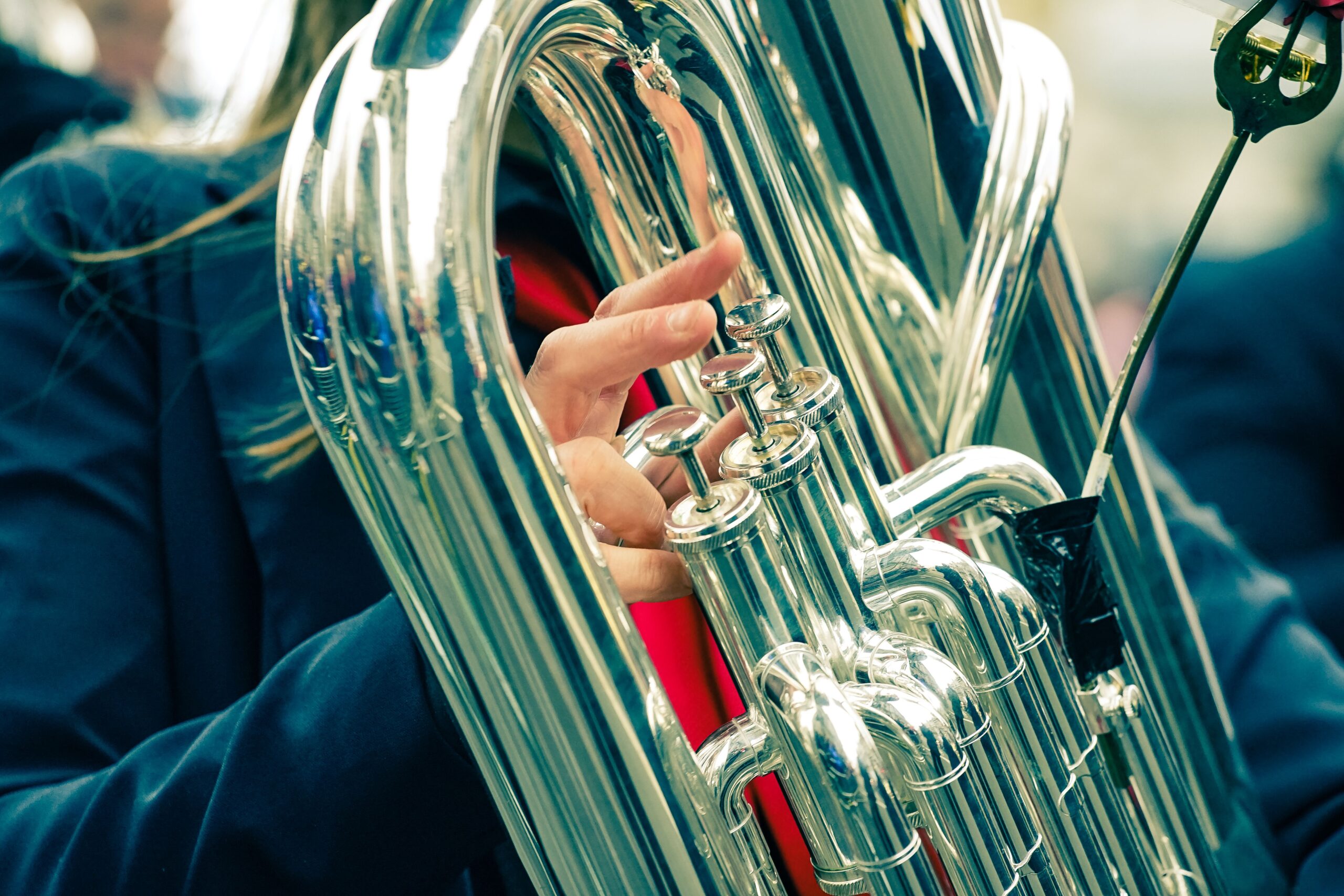
When my son came home from his first week of middle school band and announced he had picked the tuba, I smiled and nodded like I knew what that meant. I did not. I pictured something cute and manageable. Then I saw the case in the school parking lot, sitting next to our compact SUV, and I had my first real question: how exactly is this going home with us?
A few years later, I have learned a lot about playing tuba, mostly the hard way. So if your kid just chose the biggest horn in the band room, grab a coffee. Here are five things I wish someone had told me on day one.

1. It Is Bigger and Heavier Than You Imagine
This sounds obvious, but it really does not sink in until you are carrying one. Nobody tells you that playing tuba starts with logistics long before the first concert. Even a 3/4 student tuba usually weighs somewhere around 15 to 20 pounds, and the hard case adds more. Fitting it in the car next to groceries, a booster seat and a soccer bag becomes a weekly puzzle.
Ask the band director early whether the school offers a loaner to keep at school, so your child only brings the home instrument back and forth when needed. Many programs do this for tuba players, and it saves a lot of backs and car seats.
2. Practice Looks (and Sounds) Different
I expected scales and songs. What I got at first was buzzing into a mouthpiece, long low notes and a lot of breathing exercises. That is completely normal. Playing tuba takes serious air support, and building it is half the battle in year one.
Short, steady sessions work better than marathon practices. Fifteen to twenty minutes most days helped my son more than one long Sunday session. The habit pays off beyond music, too. In a Gallup survey commissioned by NAMM, 88% of respondents said playing an instrument teaches children discipline, and I have seen that firsthand.
3. Getting the Right Size and Setup Matters
Tubas come in sizes like 3/4 and 4/4, and the right fit depends on your kid’s height and strength more than their age. Most beginners start on a 3/4 in the key of BBb, which is the standard for school bands. A horn that is too big leads to slouching, sore shoulders and a frustrated kid who wants to quit. A good fit makes playing tuba feel fun instead of exhausting, especially during long rehearsals.
Whether you rent or buy, take time to compare options before you commit. Looking through a solid range of Tubas helped us understand the differences between sizes, valve setups and price points. O’Malley Musical Instruments has student models that are worth a look if you are shopping for a growing player.
4. The Little Extras Add Up
Nobody warned me about the shopping list that comes after the instrument. Here is what we ended up needing for playing tuba at home and at school:
- Valve oil and slide grease: Cheap, but you will go through them.
- A cleaning kit: A snake brush and mouthpiece brush keep things sanitary.
- A sturdy stand or seat support: Great for smaller kids who cannot hold the full weight yet.
- A padded gig bag: Lighter than a hard case for quick trips.
Teach your child to wipe down the horn and oil the valves weekly, and make it part of their routine just like packing a lunch. A little care now prevents expensive repair bills later.
5. Tuba Players Are Always in Demand
Here is the happy surprise. Fewer kids choose the tuba, so band directors are often thrilled to have one. That can mean more playing time, solo moments and invitations to join jazz band, pep band or marching band, where many switch to a sousaphone.
My son went from nervous beginner to the kid everyone counts on to hold down the bottom of the band. Playing tuba gave him a real sense of belonging, and that confidence has carried into other parts of his life, from class presentations to making new friends at high school.
Final Thoughts
Looking back, I would not change his choice for anything. Playing tuba has taught him patience, teamwork and how to take up space with confidence. Yes, it is heavy. Yes, the car gets crowded. But watching your kid find their place in the band is worth every awkward parking lot moment.
If your child is just getting started, be patient with the early buzzing, invest in a good fit and cheer loudly at every concert. Those low notes become the soundtrack of some pretty proud parenting moments.

