


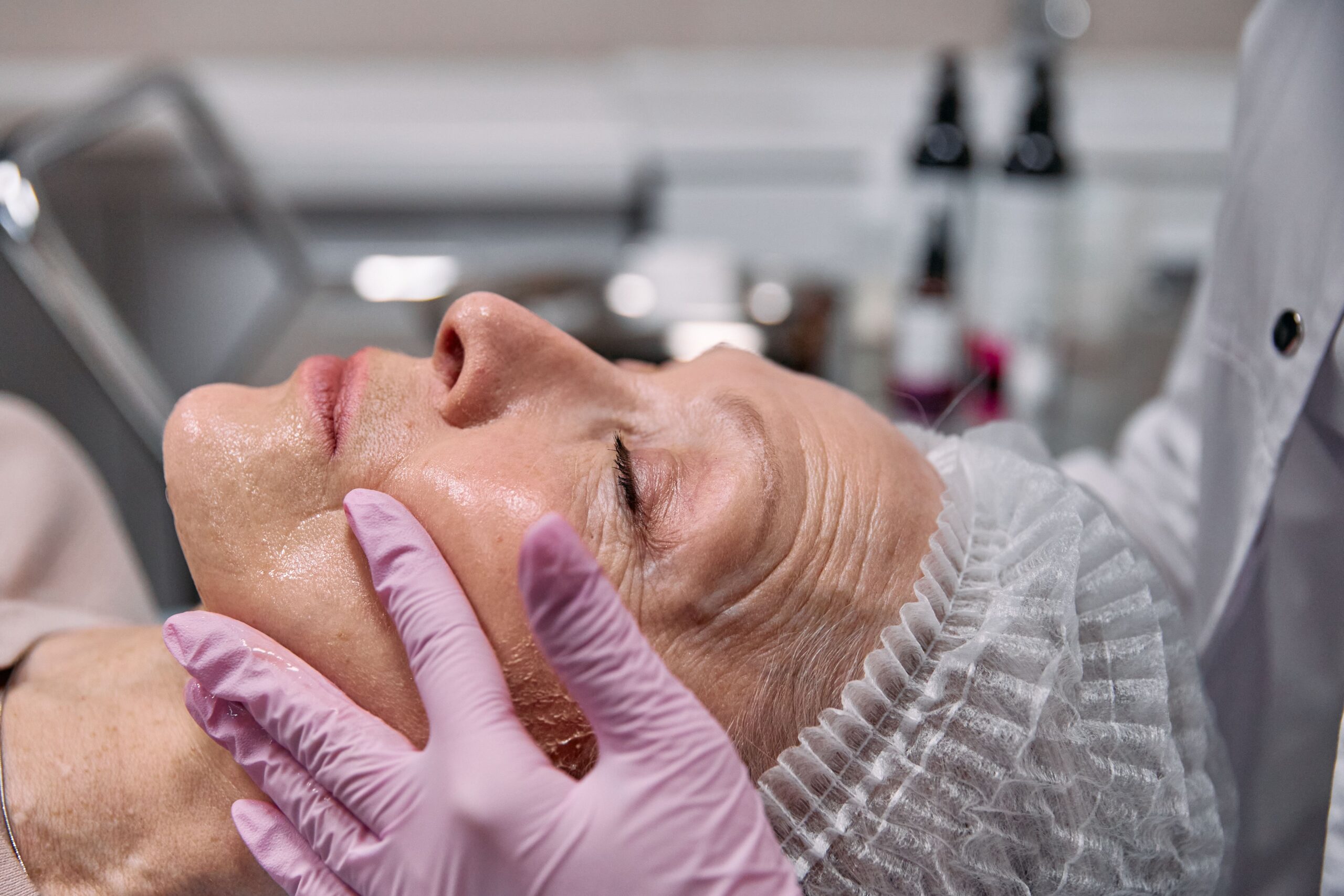
What if the most effective strategy for maintaining youthful skin wasn’t expensive and invasive but something you could start implementing today? Fine lines and wrinkles develop naturally over time as skin loses elasticity and collagen production slows. However, numerous accessible approaches can noticeably reduce their appearance without requiring extreme measures. Whether you’re in your thirties noticing the first subtle lines or seeking to improve more established wrinkles, the following methods offer proven results backed by dermatological science and consistent real-world outcomes.
1. Use Retinoid Products Consistently
Retinoids represent one of the most researched and effective topical treatments for reducing fine lines and wrinkles. These vitamin A derivatives work by increasing cell turnover and stimulating collagen production, which naturally fills in surface-level lines and improves skin texture over time. When applied correctly, retinoids can visibly diminish the appearance of wrinkles within several weeks, though optimal results typically emerge after consistent use for three to six months. Start with a lower concentration if you have sensitive skin, as retinoids can cause initial dryness and redness as your skin adjusts. Apply retinoid products at night, beginning with two to three times per week and gradually increasing frequency as tolerance builds. Always use broad-spectrum sunscreen during the day when using retinoids, since they make skin more sun-sensitive.
2. Maintain a Consistent Sunscreen Routine
Sun exposure stands as the primary environmental factor accelerating skin aging and deepening existing wrinkles. Ultraviolet radiation damages collagen fibers and elastic tissue, causing skin to lose firmness and develop more pronounced lines over time. A daily sunscreen habit, applied generously and reapplied every two hours during outdoor activities, prevents additional photodamage and protects the collagen you already have. Choose a broad-spectrum sunscreen with an SPF of at least 30, though dermatologists often recommend SPF 50 for extended outdoor time. Many people apply insufficient amounts of sunscreen to see real benefits, so ensure you’re using about a quarter teaspoon for your face alone. This single habit prevents the formation of new wrinkles while allowing existing skincare treatments to work more effectively on lines that have already formed.
3. Invest in Quality Moisturizers and Hydrating Serums
Dehydrated skin appears more wrinkled and aged because moisture plumps the skin and temporarily fills fine lines, making them less noticeable. Using hydrating products like serums containing hyaluronic acid or glycerin before moisturizer helps the skin retain water and maintain a supple appearance. When the skin barrier is properly hydrated, it functions more efficiently and can better respond to active treatments like retinoids or vitamin C serums. Look for moisturizers that contain beneficial ingredients such as peptides, niacinamide, or ceramides, which strengthen the skin barrier and support collagen health. Applying these products to damp skin immediately after cleansing maximizes absorption and effectiveness. Consistent hydration also reduces inflammation and sensitivity, allowing you to tolerate more potent anti-aging treatments over time.
4. Adopt Antioxidant Treatments and Vitamin C Serums
Antioxidants neutralize free radicals, unstable molecules that accelerate collagen breakdown and skin aging. Vitamin C serums are particularly effective at reducing fine lines because they stimulate collagen synthesis while providing antioxidant protection against environmental stressors. This dual action makes vitamin C a valuable addition to any anti-aging routine, especially when used alongside sunscreen during daylight hours. Other effective antioxidants include vitamin E, niacinamide, and ferulic acid, which work synergistically to protect skin from oxidative damage. Applying an antioxidant serum in the morning before sunscreen and moisturizer creates a protective barrier that defends against daily environmental damage. Over several months, consistent antioxidant use visibly reduces the depth of fine lines and prevents the formation of new wrinkles by protecting underlying collagen structures.
5. Prioritize Sleep, Hydration, and Stress Management
Skin repair and collagen regeneration occur most actively during sleep, making adequate rest essential for maintaining a youthful appearance and reducing visible wrinkles. Poor sleep quality increases cortisol levels, a stress hormone that breaks down collagen and accelerates skin aging. Drinking sufficient water supports overall skin health by improving elasticity and allowing topical treatments to penetrate more effectively into well-hydrated skin. Chronic stress also manifests physically in the skin through increased inflammation and reduced collagen production, so incorporating stress-reduction practices like meditation, exercise, or outdoor time benefits both skin and overall wellbeing. For individuals whose skin changes have progressed beyond what topical treatments can address, consulting a board-certified surgeon about a facelift northern virginia procedure provides a clinical pathway to restoring a more youthful facial contour. Individuals who prioritize these foundational lifestyle habits often see more dramatic improvements from their skincare routines than those who neglect them.
Conclusion
Reducing the appearance of fine lines and wrinkles doesn’t require expensive procedures or unrealistic expectations. By combining targeted topical treatments like retinoids and vitamin C serums with fundamental practices such as daily sunscreen use, consistent moisturizing, and healthy lifestyle habits, you can achieve noticeable improvements in skin texture and wrinkle depth. The most effective approach involves consistency over time, as skin requires several weeks to months to respond to new treatments and lifestyle changes. Start with one or two methods that align with your current routine, then gradually incorporate additional strategies as you build your anti-aging regimen. Everyone’s skin responds differently to treatments, so patience and realistic expectations are essential components of any long-term skincare strategy designed to minimize visible signs of aging.

