


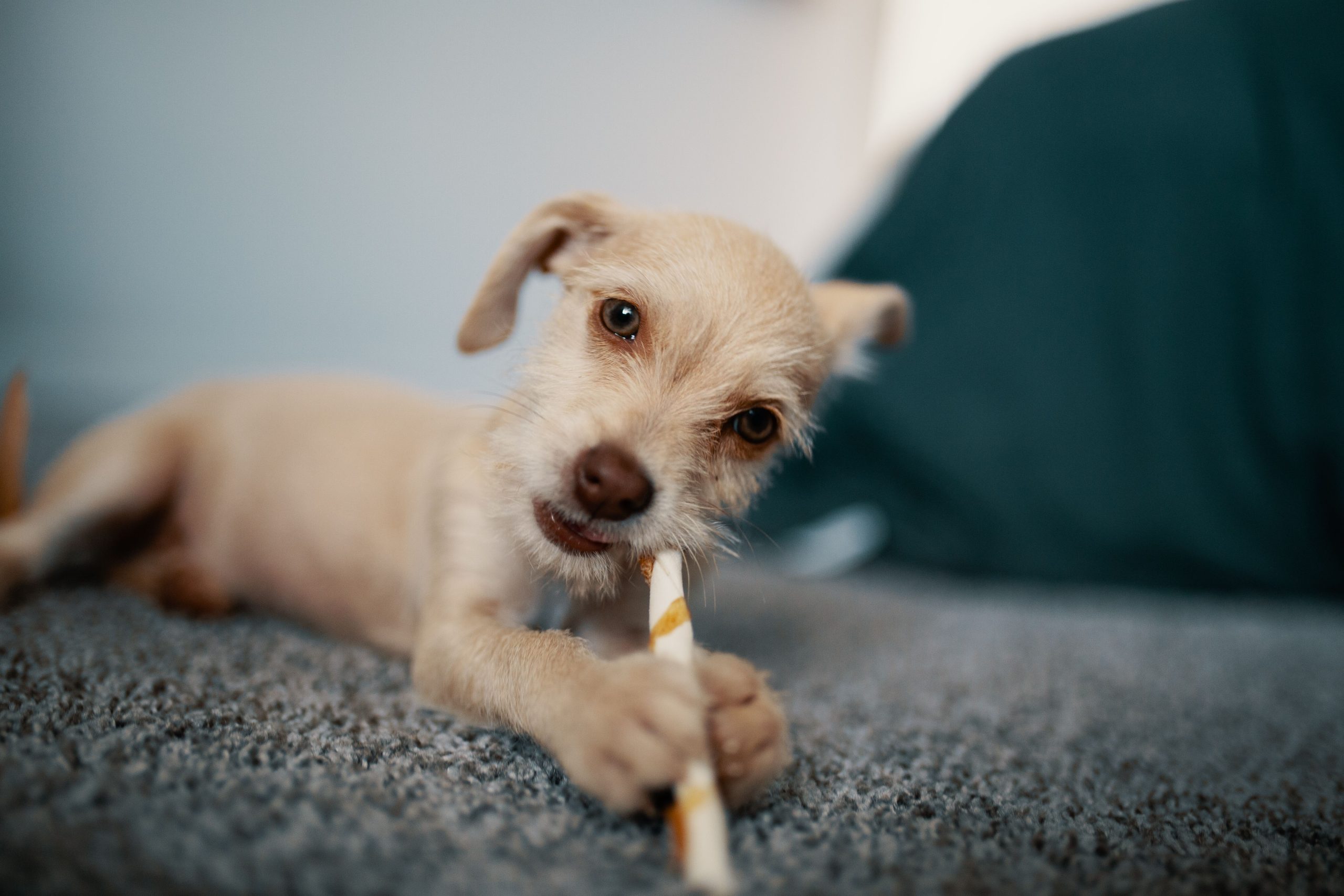
Walk down the dog treat aisle, and you’ll find chews made from animal products, plant materials, nylon, rubber, and other ingredients. Some promise hours of chewing, while others focus on simple ingredients or dental care. With so many choices, it can be hard to know which option is better for your dog.
Natural chews often appeal to owners who want fewer added ingredients. Artificial chews, on the other hand, can be useful for dogs that enjoy chewing but should not eat every item they gnaw on. So, are natural dog chews healthier? They can be a good choice, but the answer depends on the product, your dog’s habits, and what you want the chew to do.

What Is the Difference Between Natural and Artificial Dog Chews?
Natural chews are usually made from animal-based ingredients, such as beef muscle, tendons, ears, or collagen. Some also use milk-based ingredients, like those found in yak chews. Many are edible, meaning dogs can eat parts of the chew as they work on it.
Artificial chews are commonly made from materials such as nylon, rubber, or other manufactured substances. They are often designed to last longer and give dogs something to gnaw on without serving as food. Some are flavored to make them more appealing.
Neither label tells the whole story. Natural products can vary in quality and hardness, while artificial products can differ in how they wear down. The ingredients, design, and way your dog chews all affect whether a product is a suitable choice.
How Natural Chews Compare With Artificial Options
Understanding the differences in ingredients, digestibility, and durability can help you choose the right chew for your dog’s needs.
1. Ingredients and Additives
One benefit of natural dog chews is that some contain only one main ingredient. This can make the label easier to understand and help owners avoid certain ingredients their dogs do not tolerate. For example, beef-based chews may suit dogs that can eat beef safely, while dogs with beef allergies need another option.
The range from Bully Bunches identifies natural options such as pig ears, beef trachea, and beef tendon, giving owners several animal-based options to compare. Emphasis on “compare.” Always check the ingredient list to know what a chew is made of and whether it is suitable for your own dog.
Artificial chews may contain nylon, rubber, flavorings, or other materials. These products are not meant to be eaten, so owners should watch for damage and replace them when pieces start breaking off. If your dog tends to swallow what it chews, a non-edible product may not be suitable either.
2. Nutrition and Calories
Edible natural chews can provide protein and other nutrients, but they also add calories to your dog’s diet. A large chew given every day may contribute more energy than a small dog needs, even if the ingredients are simple.
Treats and snacks make up no more than 10% of a dog’s daily calorie intake, with the rest coming from complete, balanced food. Its guide to dog treats explains why owners should consider calories when choosing treats.
Most artificial chew toys do not provide meaningful nutrition because they are not meant to be eaten. That can make them useful when you want to give a dog something to chew without adding another food item. However, they should still be chosen carefully and removed if damaged.
3. Chewing Enjoyment and Durability
Some dogs enjoy the taste and smell of edible chews, which can keep them interested for a while. Others prefer a rubber toy they can carry around and chew repeatedly. Your dog’s preferences can help guide the choice.
Artificial chews may last longer, but extra hardness is not always a benefit. A chew that is too hard can crack or break a tooth. Natural chews can also be tough, so they are not automatically safer simply because they come from an animal.
Cornell University’s guidance on fractured teeth warns that hard objects can damage dogs’ teeth. Choose a chew with a suitable texture and size, and ask your veterinarian for advice if your dog has dental problems or is a powerful chewer.
4. Choking and Digestive Risks
Edible chews come with a risk that a dog may swallow a large piece. Depending on its size and shape, that piece could cause choking or a blockage in the digestive tract. Some dogs chew slowly, while others try to gulp down treats as soon as possible.
Artificial chews carry a different concern. If the material breaks apart, a dog may swallow pieces that were never meant to be eaten. Check toys often and discard them when they become damaged or worn.
Pet owners should match products to their dog’s size and chewing habits and supervise chewing. No chew should be treated as completely risk-free.
Which Type Should You Choose for Your Dog?
Think about your dog’s size, age, chewing strength, food sensitivities, and tendency to swallow pieces. An edible chew may suit a dog that enjoys food-based treats and chews carefully. A suitable rubber toy may work better for a dog that needs a reusable item without extra calories.
Introduce new edible chews in small amounts, watch for stomach upset, and remove any item that becomes small enough to swallow whole. If your dog has a history of broken teeth, digestive problems, or food allergies, ask your veterinarian before trying a new product.
The Bottom Line
Natural chews can be a good option when their ingredients, size, and texture suit your dog. Artificial chews can also be useful when chosen carefully. Neither type wins in every situation.
Read the label, consider how your dog chews, and supervise each session. The best choice is one that meets your dog’s needs without adding unnecessary risks to their daily routine.

