


Moving into a new home should bring excitement, not worries about unlocked doors, hidden safety hazards, or children wandering into dangerous areas while boxes pile up. Overlooking simple security checks can put your family’s safety at risk before you’ve even settled in. Discover how to secure entry points, protect your children, and create a safer, more comfortable home from day one.

Inspect Exterior Entry Points
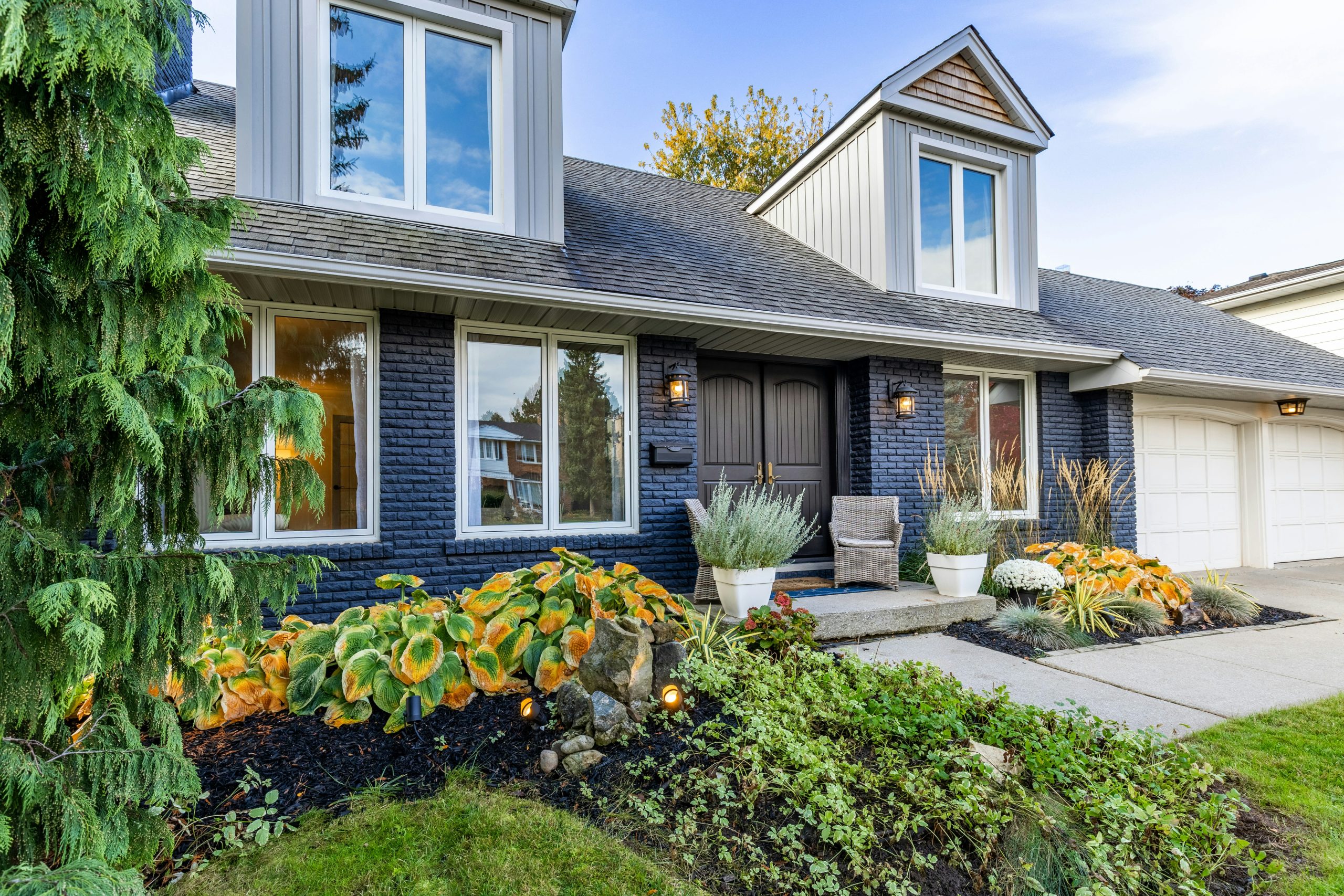
Walk around the entire property and examine every exterior door, gate, and ground-level window. Check that door frames feel solid, hinges sit flush, and exterior lights work. Look for loose railings, damaged steps, and shrubs that block your view of an entrance. If the home has a garage, confirm that its interior access door closes and locks properly.
Use this guide to achieve a safer home exterior for more ideas about lighting, visibility, and routine upkeep. Take photos of damage before unloading begins, especially if you rent or need to contact the seller about an agreed repair.
Rekey Every Door Immediately
Arrange to have exterior doors rekeyed as soon as you take possession. You may have received several keys at closing, but there’s no reliable way to know how many copies were shared with former residents, contractors or neighbors. Rekeying changes the internal key configuration while allowing you to keep suitable existing hardware.
People handling real estate moves in Manhattan can arrange scheduled lock changes or rekeying through a local locksmith, including help outside normal business hours. Ask for one key to operate compatible doors when possible, then label spare copies and store them securely. Avoid hiding a key under a mat, planter, or decorative object near the entrance.
Test Detectors and Window Latches
Press the test button on every smoke and carbon monoxide detector, then replace batteries unless you know exactly when they were installed. Check the manufacture date printed on each unit as well. The moving security checklist offers useful reminders for covering safety tasks while rooms are still in transition.
Open and close each window to confirm that its latch catches firmly. Pay close attention to basement windows and those beside porches or low roofs. If a window sticks, has cracked glass, or won’t lock, mark it with painter’s tape so nobody assumes it’s secure. Keep furniture and boxes away from required exits.
Create a Kid-Safe Moving Day Zone
Choose one finished room as a supervised space for children before movers start carrying furniture through the house. Remove cords, tools, packing straps, and plastic wrap, then cover accessible outlets and secure any reachable windows. Add familiar toys, snacks, water, and a change of clothes, so children have what they need without crossing busy walkways.
Tell every adult which room is serving as the safe zone and make sure someone is responsible for watching it at all times. Keep pets in a separate closed room or with a trusted caregiver. Exterior doors may remain open during unloading, so use a door chime or assign one adult to monitor the main entrance.
Once the last load arrives, do one final walk-through before bedtime. Confirm that exterior doors are locked, windows are latched, and detectors show normal status. Leave the most urgent repair items near your keys so they’re ready to address the next morning.

