


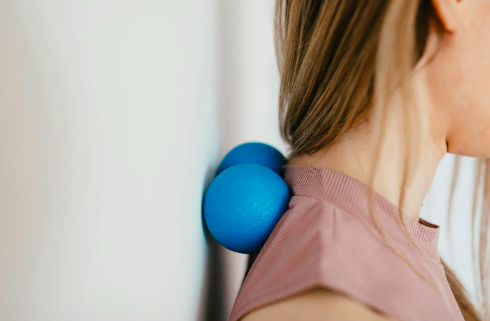
Chronic pain affects millions of people and can significantly interfere with daily life, work, and physical activity. Unlike acute pain, which is often tied to a specific injury and resolves with time, chronic pain persists—sometimes for months or years. Individuals managing conditions such as muscle tension, joint stiffness, or overuse injuries often seek non-invasive approaches to pain relief. Sports massage has gained recognition as a supportive therapy that addresses the muscular and connective tissue factors commonly associated with chronic pain.
Understanding Chronic Pain and Muscle Dysfunction
Chronic pain frequently stems from recurring muscle tightness, restricted movement patterns, or imbalances created by posture, repetitive strain, or past injuries. Over time, muscles can develop adhesions—areas of tight, fibrous tissue that limit circulation and movement. These restrictions place added stress on surrounding joints and nerves, perpetuating discomfort. While chronic pain may feel constant, it is often maintained by underlying soft tissue dysfunction. Treating those muscular contributors is essential for achieving consistent relief.
How Sports Massage Addresses Pain at the Source
Sports massage targets deeper layers of muscle and connective tissue using techniques designed to break down adhesions and improve tissue elasticity. By applying controlled pressure and specific movements, therapists encourage circulation to tight or irritated areas. Improved blood flow brings oxygen and nutrients to damaged tissue while supporting the removal of metabolic waste that contributes to soreness. This approach doesn’t merely mask discomfort—it seeks to resolve the physical contributors that allow pain to persist over time.
Improving Mobility and Reducing Tension Patterns
Chronic pain often limits range of motion, which can create compensation patterns and further strain the body. Sports massage helps restore flexibility by lengthening muscle fibers and releasing tension that restricts movement. As mobility improves, joints move more efficiently, and muscles no longer need to overcompensate. People who incorporate quality sports massage in NYC into their pain management routine often notice improvements in posture, movement quality, and overall comfort, particularly when massage is combined with stretching and corrective exercise.
Supporting the Nervous System and Pain Perception
Pain is not only a physical experience—it also involves the nervous system. Persistent muscle tightness signals the body to remain in a protective state, increasing sensitivity to discomfort. Sports massage helps activate the parasympathetic nervous system, responsible for relaxation and recovery. This shift encourages the body to reduce muscle guarding and decrease heightened pain responses. Over time, consistent sessions may help the nervous system “reset,” allowing individuals to experience reduced pain intensity and improved tolerance to physical activity.
Enhancing Long-Term Pain Management Strategies
Sports massage is most effective when viewed as part of a broader pain management plan. While it can provide meaningful relief, especially for musculoskeletal pain, lasting results often come from integrating massage with strength training, mobility work, and proper movement mechanics. Regular sessions help maintain tissue health and prevent the reaccumulation of tension that can trigger flare-ups. For those dealing with chronic pain, consistency matters more than occasional treatment.
Limitations and Realistic Expectations
It’s important to note that sports massage is not a cure-all. Chronic pain related to nerve conditions, inflammatory diseases, or structural issues may require additional medical intervention. However, for pain driven or worsened by muscle and connective tissue dysfunction, sports massage can play a valuable supportive role. Progress may be gradual, and temporary soreness can occur as tight tissue responds to treatment. Clear communication with a qualified therapist helps ensure sessions are appropriate and effective.
Conclusion
Sports massage can be a powerful tool in reducing chronic pain when muscle tension, limited mobility, and soft tissue restrictions are contributing factors. By improving circulation, restoring movement, and calming the nervous system, it supports both physical and neurological aspects of pain relief. While it works best as part of a well-rounded approach to care, sports massage offers a practical, non-invasive option for individuals seeking long-term comfort and improved quality of life.

