


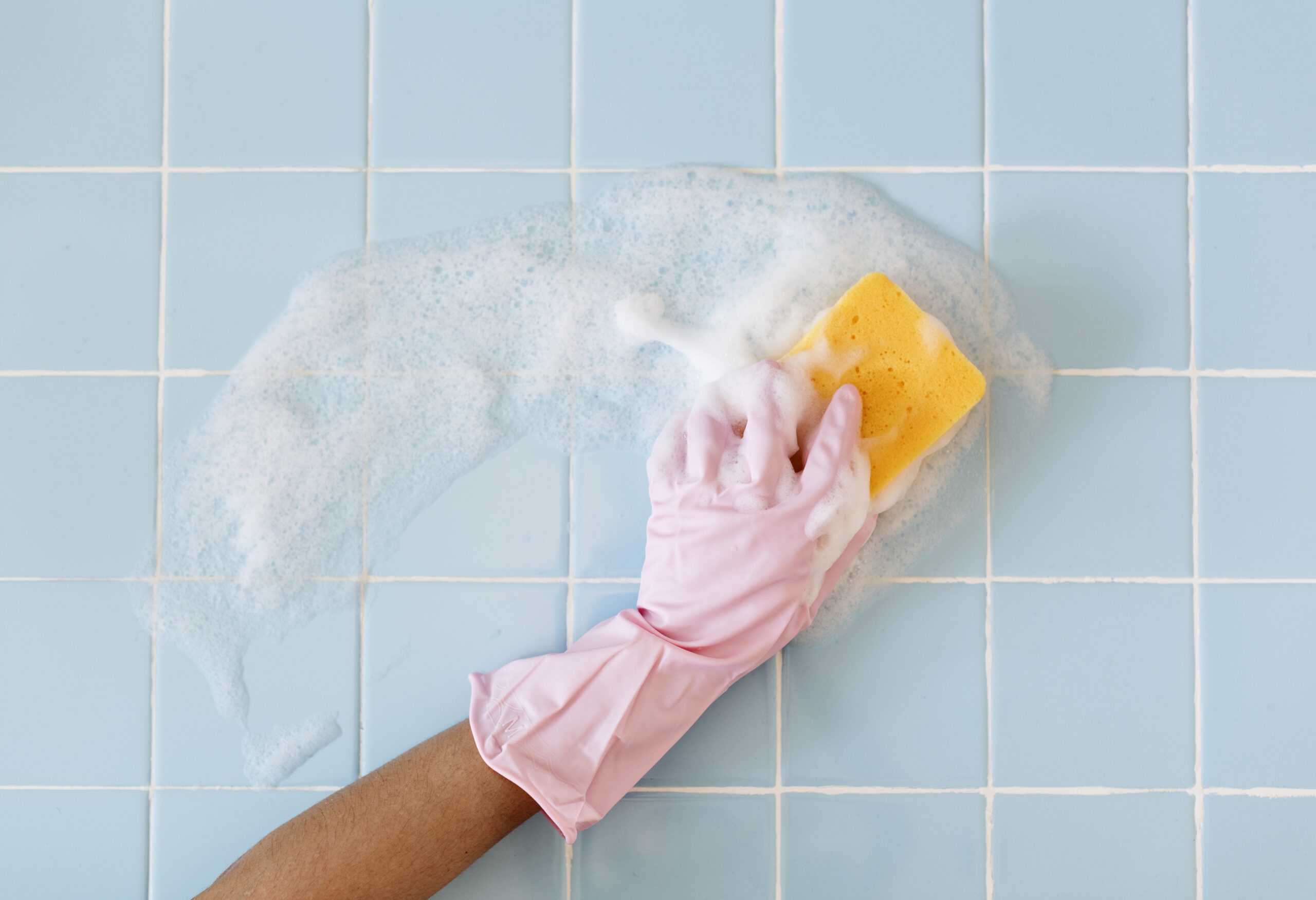
There are quite a few places moisture builds up around the home, and while some are pretty obvious and noticeable, others are not. You can tackle the obvious mold spots with ventilation, sprays, and some elbow grease, and this will go a long way to helping reduce the problem. But you need to know some of the less apparent spots to tackle it properly. So, from hidden kitchen and bathroom spots to the window frames, here are some of the places you might not notice.
Behind Shower and Tub Walls
Of course, the most obvious place for mold to build up and become a problem for your family is the shower and tub walls. With constant exposure to water, these are the most common spots for mold and should be a priority when you book a mold inspection. There are various types of mold, such as red and black, that can build up in the bathroom, and these can be deadly! However, all it takes is a good cleaning routine with mold removal spray to keep them in check.
Places Moisture Builds Up in Kitchens and Bathrooms
It is believed that around 50% of bathrooms have visible mold, but there are some hidden spots that can make mold build up worse than it already is. This is why you must give the bathroom and kitchen a good clean every now and then, and check the least obvious spots for excess:
- Check there are no minor pipe drips, as these can be a massive cause of major mold.
- Also check the pipes for valve weepage as even small drips can lead to big issues.
- Finally, ensure there is no pooling water as this can be a breeding ground for mold.
Behind Heavy Furniture at Exterior Walls
Most people have heavy furniture placed at certain spots around the house. This includes things like bureaus, wardrobes, and desks. However, these often hide things we don’t get to see, sometimes for years. As such, you may not notice there is a hidden colony of fungal mold living in your space without even offering to pay rent! One of the easiest ways to reduce this is to ensure furniture isn’t placed too tightly against the wall, as this allows air to flow freely behind.
Inside Wall Cavities
One of the major places that mold loves to grow is in the wall cavities. It’s often dark, warm, and moist, all the things mold loves to grow in! Of course, unless you’re Superman, you can’t see behind the walls, but there are some things/problems you can check for and fix to reduce the chances of mold growing. These include pinhole pipe leaks, interstitial condensation, and outdoor water ingress that saturates the internal insulation. An inspector can help find these.
Flooring Places Moisture Builds Up
It is estimated that around 35% of asthma cases are caused by exposure to damp and mold. Therefore, you must check everywhere to keep your family safe from toxic mold in your house. Have you even thought of the flooring? Flooring such as carpet, wooden slats, and laminate can be a major source of mold in the home, but there are some things you can do to reduce it.
Control moisture and humidity
The first thing to do is to get moisture and humidity under control. Indoor humidity should be at or below 60% to reduce the chances of mold, and ventilation systems can help manage this.
Make sure floors are installed properly
A bad flooring job can increase the chance of mold in the home. It helps to check concrete before laying down planks, install vapor barriers, and even leave gaps for wood to expand.
Keep flooring clean and well maintained
Of course, the flooring can take a battering, and spilled liquids and foods will contribute to excess mold. Keeping the flooring as clean as possible will help reduce mold growth.
Poorly Ventilated Attic Spaces
You may or may not know that how you ventilate your home contributes to mold. We love to keep the spaces we usually live in at an optimal temperature with good quality airflow. But there is much more to your home than the spaces you occupy. For example, your house has an attic, and it needs ventilation to repel mold. Warm air from the house rises to the attic and then condenses on the cold rafters. When this happens (especially in winter), it’s perfect for mold.
Around Laundry and Appliance Hoses
One of the spaces you may not think to check is around your most used appliances. Things like the washing machine and the dryer are prone to mold when there is an issue with leaking or poor pipes and hoses. Washer supply lines are particularly prone to mold as they are warm and wet, which mold loves. However, even an unvented dryer can be a nightmare, as it can release a lot of warm air into the spaces behind the laundry area where mold can begin to spread.
Places Moisture Builds Up at the Windows
Around 47% of homes experience mold in various places, and it is actually more common than you might think, so don’t be embarrassed if you have mold. The best thing to do is check the common spots for mold buildup, including some you may not think of: around the windows:
- The exterior window flashing can begin to fail, allowing more moisture for mold to grow.
- Thermal bridging can also fail and allow water to pool at the bottom of the frames.
- Cracks can also allow water to seep into the surrounding walls for a comfy spot for mold.
Subfloor Spaces and Crawlspaces
No one likes going into the crawlspace, especially if you don’t like spiders and other bugs. However, understanding crawlspace ventilation does require you to pretty much get down there to help reduce mold. So, grab your best goggles and gloves, because you’re going in! These kinds of spaces are like a Holiday Inn for mold, as there are usually some issues that promote growth such as blocked air vents, unsealed ground soil, and uninsulated concrete slabs.
Summary
Don’t worry if you don’t know all the places moisture builds up in your home, as many of them aren’t even noticeable or obvious. However, you do need to know where some of these are, as they can cause mold to grow rapidly and increase health problems. It helps to have shower and tub walls checked, and you can also keep flooring clean and get down into the crawlspace!

