


Owning a small boat can be an exciting and rewarding experience, but it is important to understand all of the expenses and costs involved. From the initial purchase price of the boat to ongoing maintenance and repairs, there are several financial considerations that need to be taken into account when deciding whether or not owning a small boat is right for you.
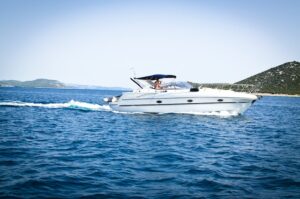
Additionally, depending on where your boat will be stored, there may also be additional fees associated with docking or mooring your vessel. In this article, we’ll explore all of these factors so that you can make an informed decision about whether or not investing in a small boat is something that makes sense for you.
The Initial Purchase Price of The Boat
The purchase price of your boat will vary depending on the type and size of the vessel you are looking to buy. Smaller boats, such as dinghies or personal watercraft, can cost anywhere from a few hundred dollars to several thousand, whereas larger boats like sailboats or motor yachts can range in price from tens of thousands to hundreds of thousands. In addition, purchasing a boat would usually involve getting additional finances, like boat loans, which you can understand if you use this tool or if you consult a financial advisor. Generally speaking, the bigger and more capable the boat, the higher its initial purchase price will likely be. Hence, the more means you have to set aside to make this dream a reality. So, you should utilize every possible help you can get.
Ongoing Maintenance Costs and Repairs
In addition to the purchase price, you will also want to consider the ongoing maintenance and repair costs associated with owning a small boat. These can vary widely depending on the age and condition of your vessel, as well as how often it is used. Common maintenance expenses include regular engine service/inspections, fuel filters, oil changes, hull cleaning, and more. Additionally, there may be some unexpected repairs that need to be taken care of from time to time, such as replacing worn-out parts or fixing any damage caused by inclement weather conditions.
Fees Associated with Docking or Mooring Your Vessel
Depending on where and how your vessel is stored, this could include anything from basic mooring fees (if the boat is moored off of a dock) to more substantial costs like slip rental fees (if the boat is docked at a marina). Other fees could include insurance premiums, taxes, and even registration fees depending on the area you are boating in. Furthermore, you may also want to consider any additional costs associated with launching and retrieving your boat if you plan on taking it out for extended periods of time.
Insurance Premiums for The Boat
It is important to note that, in most cases, owning a small boat requires purchasing some form of insurance coverage. This could include basic liability coverage for accidents and damage caused to other parties, or more comprehensive policies that cover repairs and replacements due to natural disasters or other occurrences. Additionally, depending on where you are boating and the type of vessel you own, you may need to purchase additional coverage such as salvage rights or pollution liability.
Fuel Costs
Fuel is typically one of the most significant ongoing expenses related to owning a small boat and can vary widely depending on the type and size of your vessel. Generally speaking, larger boats require more fuel than smaller vessels, and gasoline-powered boats usually require more fuel than diesel-powered models. Additionally, certain types of boats (e.g., sailboats) may also require you to purchase additional fuel for their auxiliary engines when navigating long distances or in less than favorable conditions.
Storage Fees (If Required)
If your vessel does not fit in your garage or other personal storage space, you may need to rent a separate facility for keeping it safely and securely stored. This can range anywhere from a few hundred dollars per month for basic mooring fees to several thousand dollars per month if you are renting a fully-equipped marina slip. Most storage facilities will also require you to pay a one-time or annual fee for using their services.
Licensing and Registration Fees
Depending on the area you live in and the type of boat you own, there may be some additional costs associated with licensing or registering your vessel. In most cases, these fees are paid annually and can range from a few hundred dollars to several thousand depending on the size and capability of your boat. Furthermore, if your boat is powered by an outboard motor, you may also need to purchase a separate permit or registration for that particular piece of equipment.
Safety Equipment
In order to boat safely, you should also be prepared to purchase the necessary safety equipment. This can include life jackets for each passenger, a fire extinguisher, flares/distress signals, as well as navigation and communication equipment such as radios or GPS systems. Furthermore, if you plan on taking your small boat out into open waters (or even certain bodies of water near shore), you may need to purchase additional safety equipment such as a compass or depth finder.

Costs Associated with Transporting the Boat From One Location To Another
Depending on the size of your vessel, you may also need to pay additional fees for transporting it from one location to another. This could include costs associated with renting a trailer or hiring a professional service to move the boat, as well as any tolls and taxes imposed by the local government. Additionally, if you plan on traveling long distances with your boat, you should also factor in the cost of fuel required to make the journey.
Additional Accessories and Supplies
Finally, you should also consider any additional accessories and supplies needed to properly maintain or use your boat. This could include such items as mooring lines and anchors, cleaning supplies, spare parts for repairs, and various other items depending on the type of vessel you own. Additionally, if you plan on fishing from your small boat, you may need to purchase a fishing license and any additional equipment required for this activity.
Overall, owning a small boat can be a rewarding experience that brings many hours of joy and satisfaction, but it also comes with certain costs and expenses that you should take into account prior to making your purchase. By understanding all of the potential costs associated with owning and operating a small boat, you can better prepare yourself for the financial commitment involved and make sure you enjoy every minute of your time on the water.

