


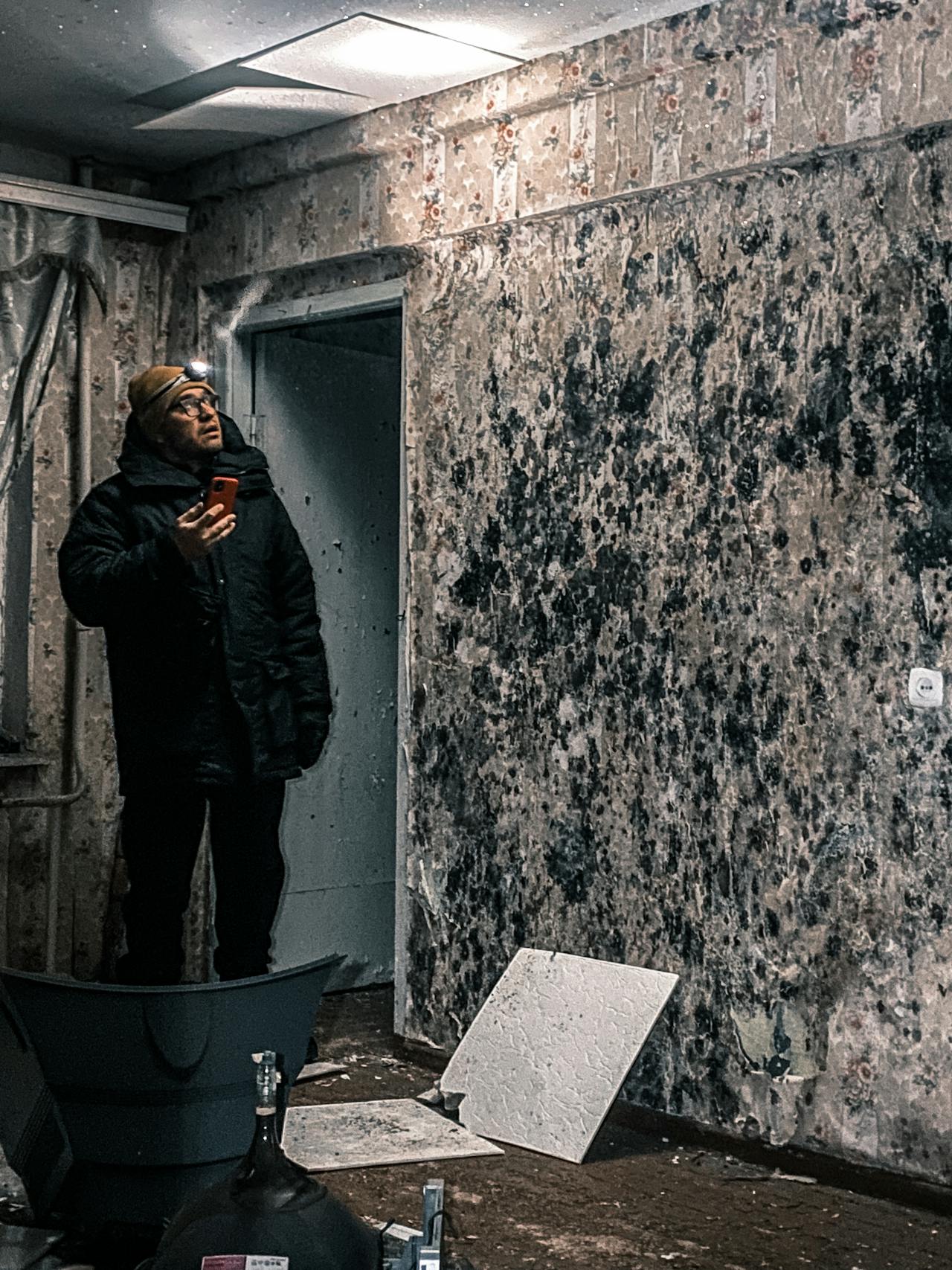
Toxic mold in a home is not just a cosmetic or maintenance issue—it can pose serious health risks if it is not identified and addressed properly. Mold develops silently, often behind walls, under flooring, or inside air systems, spreading long before homeowners realize it is present. Families may notice subtle changes in air quality or recurring health symptoms without understanding the cause. Mold exposure can affect respiratory health, immune function, and overall well‑being, especially in vulnerable individuals. Children, seniors, and those with allergies or asthma are particularly at risk when mold is present indoors. Understanding how mold grows and how to prevent exposure is crucial for maintaining a safe living environment. With early action and informed decisions, families can greatly reduce the dangers associated with toxic mold.

Understand How Toxic Mold Develops Inside Homes
Toxic mold develops when moisture remains trapped in a living space for extended periods. Common sources include roof leaks, plumbing failures, flooding, high humidity, or condensation around windows and HVAC systems.
Because roof leaks can be difficult to spot until moisture has already reached the attic or insulation, having suspected damage checked by a roofing specialist such as JZ Roofing can stop hidden water intrusion before mold has a chance to spread.
Mold feeds on organic materials such as drywall, wood, carpet backing, and insulation, which are common throughout most homes. Because mold spores are microscopic, growth often begins invisibly before spreading rapidly. Poor ventilation can worsen the problem by allowing moisture to linger in enclosed areas. Basements, bathrooms, attics, and laundry rooms are frequent mold hotspots. Understanding how and where mold forms is the first step in protecting your home and family.
Recognize Early Health and Environmental Warning Signs
Health symptoms are often the first signal that mold may be present in a home. Persistent coughing, sneezing, headaches, sinus irritation, skin rashes, or unexplained fatigue may occur when mold spores circulate through indoor air. Some individuals experience worsening asthma or allergy symptoms when at home but feel improved when away. A musty or earthy odor that does not disappear with cleaning is another significant warning sign. Visible discoloration on walls, ceilings, or baseboards may indicate active growth. Condensation on surfaces or frequent dampness can also point to mold‑friendly conditions. Recognizing these signs early can prevent prolonged exposure and escalating health risks.
Reduce Moisture and Improve Air Circulation Immediately
Moisture control is the most effective way to prevent toxic mold from taking hold. Repairing plumbing leaks, roof damage, or foundation cracks should be done as soon as they are discovered. Using exhaust fans in bathrooms, kitchens, and laundry rooms helps remove excess humidity from the air. Dehumidifiers are particularly helpful in damp climates or basement areas where moisture naturally accumulates. Proper drainage around the exterior of the home ensures water flows away from the foundation. Keeping indoor humidity levels below safe thresholds discourages mold growth. Consistent moisture management is essential for creating a healthier home environment.
Inspect High‑Risk Areas Regularly
Routine home inspections help catch mold growth before it becomes widespread. Areas under sinks, behind appliances, and around water heaters should be checked frequently. Attics and crawl spaces often trap moisture due to poor ventilation or insulation issues. Window sills and door frames are also common locations for condensation buildup. Flooring near bathrooms or kitchens may hide moisture damage beneath the surface. Inspecting HVAC vents and filters ensures mold spores are not circulating throughout the home. Regular inspections reduce the likelihood of hidden mold becoming a serious problem.
Avoid DIY Mold Removal for Larger Problems
Small surface mold patches may appear manageable, but attempting large‑scale removal without proper equipment can be dangerous. Scrubbing mold without containment releases spores into the air, increasing exposure for everyone in the household. Household cleaners may remove stains but rarely address underlying contamination. Improper removal can cause mold to spread into walls, ceilings, and ventilation systems. Protective gear and specialized filtration are required to prevent inhalation of spores. In many cases, removal requires controlled environments to avoid cross‑contamination. Professional remediation is the safest option when mold growth extends beyond small, isolated areas.
Use Professional Mold Remediation When Needed
When mold contamination is suspected or confirmed, professional assistance ensures the problem is resolved thoroughly and safely. A Colorado Springs restoration company can identify hidden growth, contain affected areas, and remove contaminated materials without spreading spores. Professional teams use advanced detection tools, industrial filtration systems, and strict safety protocols. This approach protects both occupants and the structure of the home. Proper remediation also addresses the moisture source to prevent recurrence. Documentation from professionals helps homeowners understand the scope of the issue. Expert intervention provides peace of mind and long‑term protection.
Protect Children and At‑Risk Family Members
Children and individuals with compromised immune systems require extra protection from mold exposure. Limiting access to contaminated areas is critical until remediation is complete. Air purifiers can help reduce spore concentration but should not be used as a sole solution. Bedrooms and living spaces should remain dry and well ventilated at all times. Regular cleaning with appropriate methods helps minimize airborne irritants. Educating family members about avoiding damp areas reduces exposure risk. Protecting vulnerable individuals should always be the top priority when mold is suspected.
Prevent Future Mold Growth Through Ongoing Maintenance
After remediation, preventive maintenance ensures mold does not return. Annual roof and plumbing inspections help detect leaks early. Maintaining proper insulation reduces condensation inside walls. Keeping gutters clean prevents water from backing up into the home. Monitoring humidity levels year‑round helps maintain safe indoor conditions. Promptly drying any water intrusion prevents new growth. Long‑term prevention keeps homes safe, comfortable, and mold‑free.
Conclusion
Toxic mold presents serious health and safety risks, but families can protect themselves with knowledge and proactive care. Understanding how mold develops, recognizing early signs, and controlling moisture are essential steps. Avoiding unsafe removal methods reduces exposure and prevents spread. Professional remediation ensures complete, safe treatment when contamination is present. With ongoing maintenance and vigilance, families can maintain healthy indoor environments. Acting early minimizes long‑term damage and health concerns. A mold‑free home provides peace of mind and lasting comfort.

