


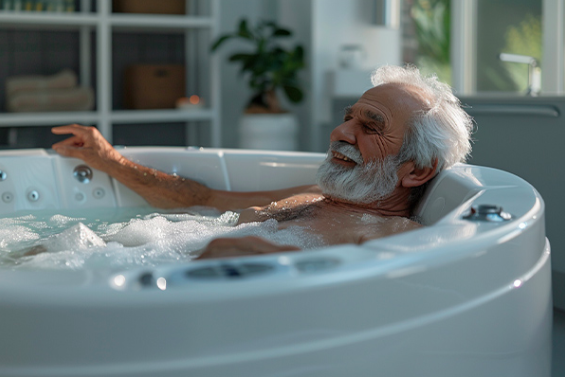
There’s something deeply restorative about a long, warm bath. The tension melts away, the mind quiets down, and for a few minutes, the world outside the bathroom door simply doesn’t exist. But for millions of people — seniors, individuals with limited mobility, and those recovering from injury or surgery — a standard bathtub isn’t a place of comfort. It’s an obstacle course.
That’s why the walk-in bathtub has become one of the most meaningful home upgrades available today. And once you understand what it offers, it’s easy to see why so many families are choosing a bathroom remodel with walk-in bathtub installation as a top priority.
What Makes a Walk-In Bathtub Different?
The concept is simple but transformative. Instead of swinging a leg over a high tub wall and hoping for the best, a walk-in bathtub features a watertight door built right into the side. You open it, step through, close it, and then fill the tub. When you’re done, you drain the water and exit through the same door.
No climbing. No balancing. No risk of a slip that could send everything spiraling.
The door seal is engineered to hold water with zero leakage, so there’s no compromise on the bath experience itself. You still get to soak in warm, soothing water — you just get there safely.
Built for Real Life
Walk-in bathtubs aren’t a one-size-fits-all product. They’re designed with a range of features that address the real-world challenges people face.
A built-in seat is one of the most appreciated elements. Rather than lowering yourself to the floor of the tub, you sit at a comfortable height — similar to sitting in a chair. For anyone with hip or knee issues, this alone is a game-changer.
Anti-slip flooring is another standard feature. The textured surface provides grip underfoot, even when the tub is wet. Add to that strategically placed grab bars, and you have a bathing environment engineered specifically to prevent falls.
Many models also include a handheld showerhead, which gives the bather full control over water direction. Whether you’re rinsing your hair, washing your feet, or simply prefer a shower-style rinse, that flexibility matters.
The Therapeutic Side
Beyond safety, walk-in bathtubs often come equipped with hydrotherapy and air jet systems. These aren’t luxury add-ons — they’re genuinely beneficial for people dealing with chronic pain, arthritis, poor circulation, or muscle stiffness.
Warm water combined with targeted jet therapy can ease joint inflammation, improve blood flow, and help muscles relax in ways that a standard bath simply can’t replicate. For older adults or those managing long-term conditions, this kind of daily relief is significant.
Some models also offer chromotherapy lighting, which uses colored light to promote relaxation and mood balance. It sounds like a spa feature, but the benefits are well-documented for those dealing with stress, fatigue, or disrupted sleep.
Why Families Are Making the Switch
The decision to pursue a bathroom remodel with walk-in bathtub installation often comes from a specific moment — a near-fall, a close call, or the realization that a loved one is avoiding bathing altogether because the tub feels too risky. That avoidance has real consequences for personal hygiene, physical health, and emotional well-being.
A walk-in bathtub addresses all of that. It restores independence. It removes the need to rely on someone else for a task that most people want to handle on their own. And it gives family members peace of mind, knowing that a loved one can bathe safely without supervision.
There’s also the long-term perspective to consider. Many people install walk-in bathtubs as part of an aging-in-place strategy — a plan to stay in the home they love rather than transitioning to assisted living before it’s truly necessary. Modifying the bathroom is one of the most impactful changes a homeowner can make toward that goal.
Choosing the Right Model
Walk-in tubs come in a variety of sizes and configurations. Some are designed for single users, while others are built wider for those who need extra space or may require assistance from a caregiver. Right-hand and left-hand door options make it easy to fit the tub into different bathroom layouts.
When evaluating options, think about door width, seat height, jet placement, and how quickly the tub drains. A fast-drain system is especially important because walk-in tub users must wait inside the tub until it empties before opening the door. A tub that drains in two minutes or less makes that wait entirely comfortable.
Safety Shouldn’t Be a Luxury
The bathroom is statistically one of the most dangerous rooms in the home, particularly for older adults. Falls in the bathroom send hundreds of thousands of people to emergency rooms every year. A walk-in bathtub doesn’t eliminate every risk, but it removes the most common ones in a setting that should only ever feel like a retreat.
Every person deserves to bathe with dignity, comfort, and confidence — regardless of age or physical ability. That’s not a luxury. That’s just good design.
If you’ve been putting off making changes because it feels too complicated or costly, consider this: a bathroom remodel with walk-in bathtub installation is one of the few home upgrades that pays dividends every single day. In comfort, in safety, and in the simple, profound joy of a warm bath taken on your own terms.

