


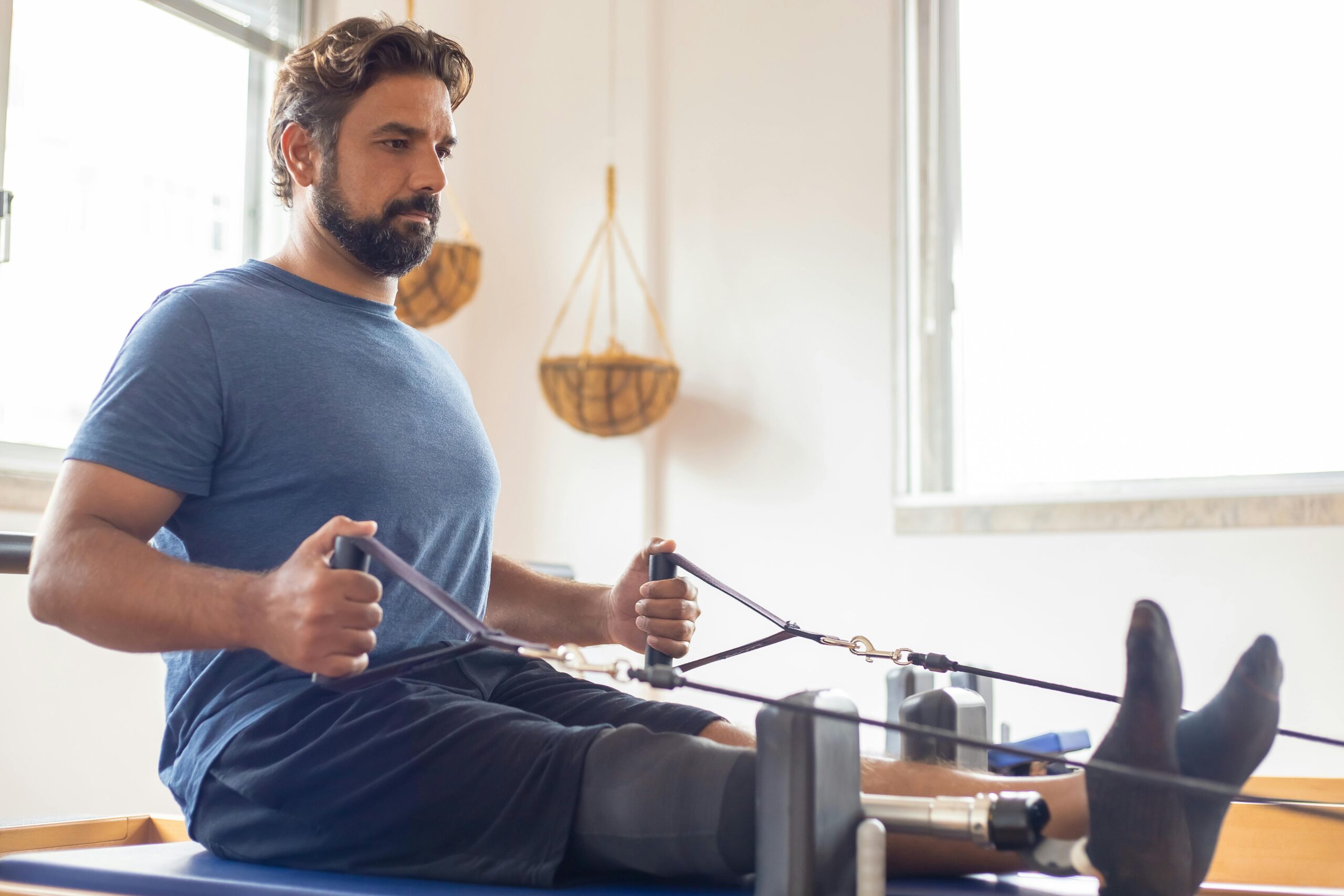
When people think about recovery after an illness or an accident and injury, they’ll usually be focused on mainly the medical side of things first, like appointments, medication, surgery, physical therapy, and treatment plants, for example, which are all clearly important, of course. However, the big picture is that recovery usually means more than that, and the fact is that an accident or serious health problem tends to affect most parts of a person’s life. That’s why recovery can be a bit more complicated than just waiting for physical healing to happen, so keep reading to find out more.

Emotional Recovery Is Also Important
One thing people don’t always think about, or at least think about in the right amount of detail, is the emotional side of recovery. However, the truth is that after a serious accident, illness, or perhaps a long term health issue, people usually deal with frustration, anxiety, exhaustion, loss of confidence, or even guilt about needing help from other people. And their lives might not be the same as they were before, and all those changes can take a lot of energy to deal with.
So the truth is that even if someone seems to be healing well, it could be that they’re struggling more with the emotional side of things, so it’s wise to know the full story.
Everyday Life Can Totally Change
A lot of people really do underestimate how much practical life changes after something bad happens, and that can lead to a lot of problems. After all, things that used to be simple like travelling, working, cooking, childcare, shopping, or even just getting around the house can get difficult depending on what’s happened.
That might mean whole families need to adjust how they live and all their routines because everyone’s trying to work around the new normal, as well as all the appointments, care needs, and the financial pressure too. That’s one reason why support systems are absolutely crucial because recovery is always going to be harder when people feel like they’ve got to do everything by themselves.
Planning Ahead Reduces Stress
One thing that can generally help when it comes to long term recovery is having a good plan in place because when people know that support is there for them, what their treatment is going to be like, and how their needs are going to change and be managed, it can take away at least some of the uncertainty that tends to make recovery feel pretty overwhelming.
That’s why you might want to look into things like life care planning services because they’ll do more than just focus on the treatment you need right now, and they’ll look more about the future care needs you might have. That kind of structure in place can make it feel like it’s easier to keep moving forward, even if recovery is still hard.
Recovery Isn’t A Straight Line
Another thing you might not realise is that recovery can be pretty unpredictable, and although some days are sure to feel positive and productive, you’re going to get others that feel frustrating and exhausting, and you might not be able to work out why each one happens.
The point is that progress isn’t always going to be steady and straight, and sometimes you’ll move backwards as well as forwards, which is why it pays to be patient and keep focusing on the end result.

