


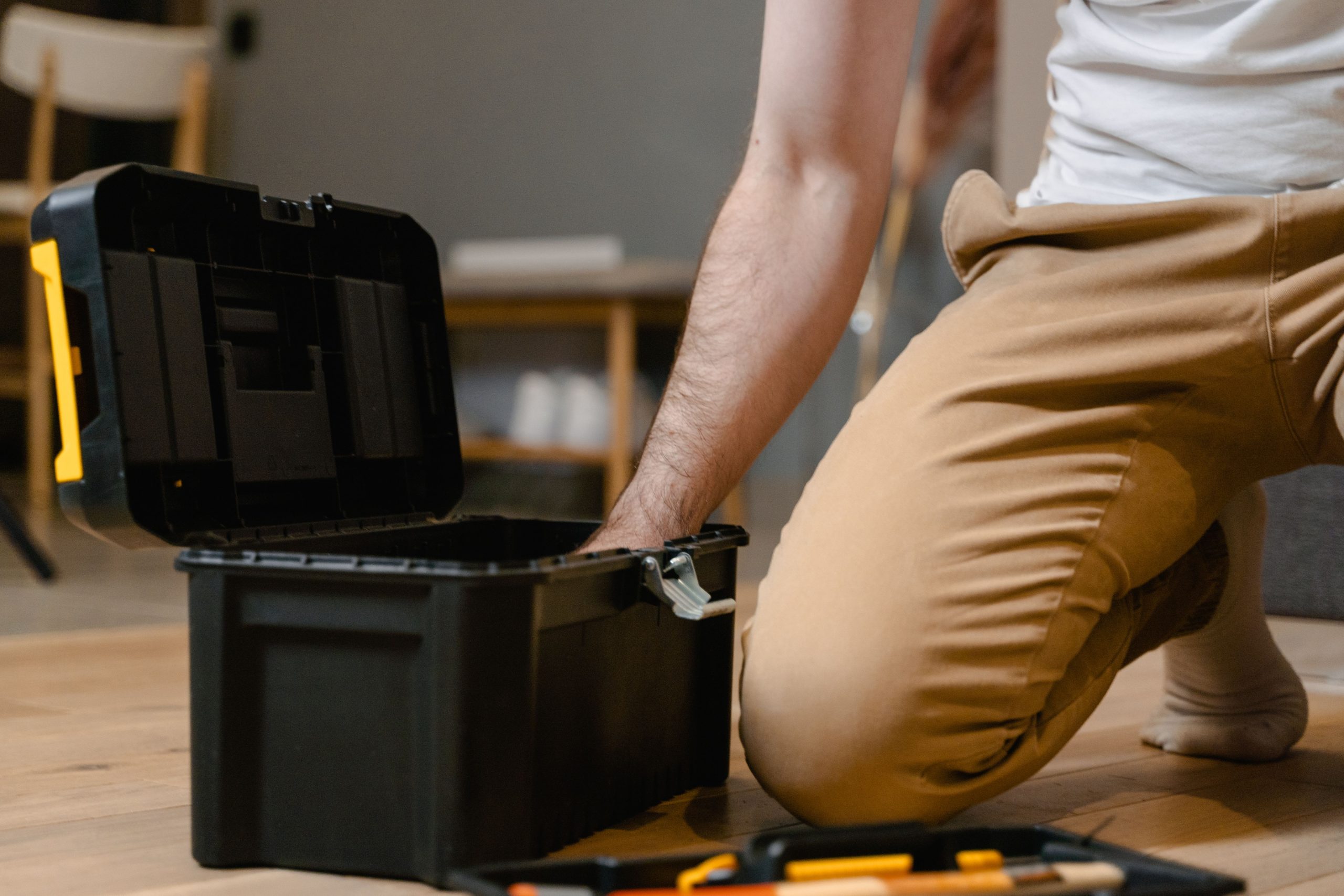
Regular home maintenance is one of the most effective ways to protect your family from accidents, health hazards, and expensive emergency repairs. Many homeowners delay maintenance tasks until something breaks, but a preventative approach catches problems early and keeps your living space secure. When you stay on top of home repairs and inspections, you reduce the risk of electrical fires, gas leaks, mold growth, and structural damage that could harm your loved ones. This article explores how consistent maintenance practices create a safer home environment and what specific areas deserve your attention.
Identifying Common Safety Hazards Through Regular Inspections
Home safety begins with knowing what to look for during routine inspections. Electrical systems, plumbing, HVAC equipment, and structural components can develop problems that pose serious risks if ignored. A thorough inspection twice a year, typically in spring and fall, helps you spot issues before they escalate into emergencies. For example, loose wiring in an attic might seem minor, but it can overheat and spark a fire. Similarly, small water stains on a ceiling could indicate a roof leak that allows water to accumulate and damage the home’s frame. By walking through your home systematically and checking these key areas, you catch red flags early and prevent accidents that could injure family members or require costly professional emergency services.
The Role of HVAC Maintenance in Family Health
Your heating, ventilation, and air conditioning system does more than control temperature. It filters the air your family breathes every day, removing dust, pollen, and other particles that can trigger allergies and respiratory problems. A neglected HVAC system develops clogged filters and dirty components that reduce air quality and strain the equipment until it fails suddenly. Changing air filters every one to three months, depending on household factors like pet ownership, takes just minutes and costs very little. Professional HVAC inspections conducted annually ensure that all parts operate safely and efficiently, reducing the risk of carbon monoxide buildup or system malfunctions that leave your family without heat during winter or air conditioning during summer. Families with young children, elderly members, or people with asthma benefit especially from clean, well-maintained air handling systems.
Preventing Water Damage and Mold Growth
Water damage ranks among the most expensive and health-threatening problems in homes, and mold grows quickly in damp environments where it poses allergic and respiratory risks. Leaky pipes, roof damage, and poor drainage around your foundation create conditions where water accumulates and deteriorates the home’s structure. Monthly checks of visible pipes under sinks and in basements help you spot leaks before they cause major damage. Gutter cleaning in spring and fall prevents water from backing up and leaking into walls or the attic. When responding to water intrusion or mold concerns, homeowners rely on top quality United Water Restoration to remediate damage thoroughly and prevent mold from spreading to other areas of the home. Addressing water issues immediately, even small ones, stops mold before it develops and keeps your family safe from the health problems that mold exposure can cause.
Securing Electrical Systems and Appliances
Electrical hazards cause thousands of home fires and injuries each year, making electrical maintenance a critical safety priority. Outdated wiring, malfunctioning outlets, and damaged appliances put your family at serious risk, especially if you have aging electrical infrastructure. Hiring a licensed electrician to inspect your home’s wiring and electrical panel every few years ensures the system meets current safety standards. Test GFCI outlets in kitchens and bathrooms monthly to confirm they protect you from electrical shock near water sources. Appliances with frayed cords, unusual sounds, or strange smells need immediate attention or replacement rather than continued use. Keeping electrical panels clear of clutter, avoiding overloaded outlets, and installing modern circuit breakers protect your home from electrical fires while keeping your family safe.
Maintaining Stairs, Railings, and Fall Prevention
Falls are a leading cause of accidental injury at home, especially for children and older adults who live in your household. Loose stair treads, damaged railings, and uneven flooring create tripping hazards that can result in serious fractures or head injuries. Regular inspection of all stairs involves checking that each step is secure, wood is not cracked or splintered, and nails or fasteners have not worked loose. Railings should feel solid when you push on them and extend the full length of any staircase. Remove throw rugs and clutter from hallways and stairs where family members could trip, and ensure adequate lighting so everyone can see where they are walking. Installing grab bars in bathrooms and along stairs provides extra security for family members with limited mobility or balance concerns.
Conclusion
Preventative home maintenance is an investment in your family’s safety that pays dividends through reduced accidents, fewer health hazards, and avoided emergency expenses. By conducting regular inspections, maintaining your HVAC system, addressing water issues promptly, securing electrical components, and eliminating fall hazards, you create a home environment where your loved ones are protected from common dangers. These maintenance tasks do not require specialized skills for most homeowners, though professional inspections and repairs ensure complex systems are functioning safely. Starting with a simple maintenance schedule and tackling one area at a time makes the process manageable and builds the habit of staying ahead of problems. When you commit to preventative maintenance, you demonstrate care for your family’s wellbeing and reduce the stress that comes with unexpected breakdowns or injuries that could have been prevented.

