


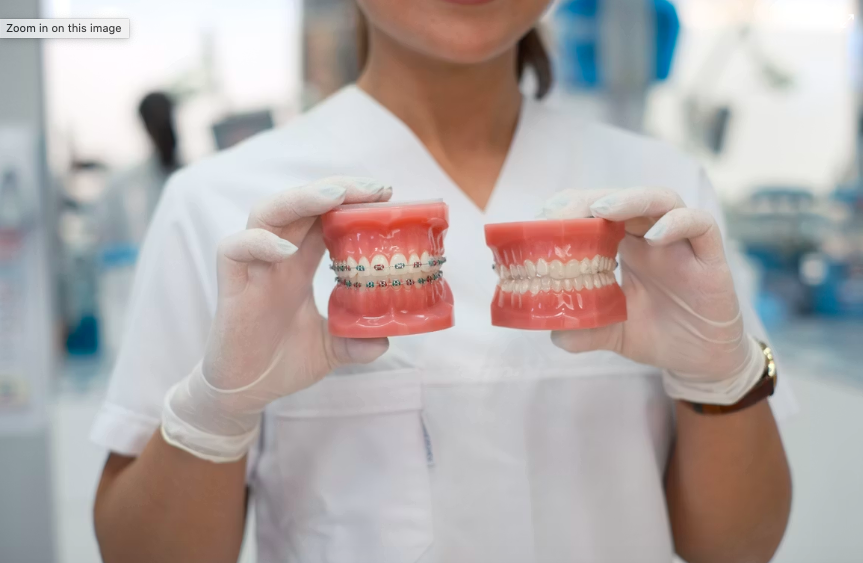
Losing one or more teeth can affect more than just your appearance. It changes how you eat, how you speak, and even how you feel in social situations. Deciding to restore your smile with dental prosthetics is a big step, an investment in your long-term health and well-being. Understanding your options and what goes into making a durable, comfortable restoration can help you move forward confidently.
The True Cost of Poor Dental Health
Ignoring a missing tooth can lead to many problems beyond just a gap in your smile. When a tooth is lost, the teeth next to it can start to shift into the empty space, causing misalignment and bite issues. This shift can create new spots for plaque to hide, raising the risk of decay and gum disease in otherwise healthy teeth. This is why early prevention and timely dental care are so important.
Also, the jawbone where the tooth is missing no longer gets the stimulation it needs and can start to weaken. This bone loss can change your face shape over time, leading to a sunken look. The financial and physical cost of fixing these growing problems later often far outweighs the initial cost of a prosthetic solution.
Understanding Your Prosthetic Options
When you decide to restore your smile, you will find several types of dental prosthetics available. Your dentist will recommend the best approach based on your specific needs, how many teeth are missing, and your overall oral health. Common options include:
- Crowns: These caps cover a damaged tooth to bring back its shape, size, and strength.
- Bridges: Used to replace one or more missing teeth, a bridge is held in place by natural teeth or implants on either side of the gap.
- Implants: This surgical option involves fusing a post to the jawbone, which acts as an artificial root for a replacement tooth.
- Dentures: These are removable appliances that can replace a full arch of teeth (complete dentures) or just a few (partial dentures).
For removable options, a dentist works with a specialized dental lab for dentures to create a custom-fit appliance. The teamwork between your clinician and the lab technician is crucial for a comfortable and functional result. There are many different kinds of dentures available, and your dentist can help you choose the right one for your lifestyle and budget.
Why Quality Fabrication Matters for Durability
Not all dental prosthetics are made the same. The technician’s skill and the quality of materials used directly impact how durable, well-fitting, and good-looking the final product is. A high-quality prosthetic is an investment that pays off in comfort and in how long it lasts.
Better materials mean a restoration that resists staining, chipping, and wear more effectively. More importantly, expert craftsmanship ensures a precise fit. A denture or bridge that doesn’t fit well can cause sore spots, make chewing difficult, and even further damage your gums and remaining teeth.
When a prosthetic is made with precision, it works smoothly with your mouth, feeling more like your natural teeth and needing fewer adjustments over time. The choice of dental materials directly affects how long the restoration will last and how natural it will look.
Long-Term Benefits of a Restored Smile
Restoring your smile offers benefits that go beyond appearance. For anyone working towards better teeth, replacing missing teeth can improve everyday comfort, function, and long-term oral health. A full set of working teeth is essential for good nutrition. With a stable and comfortable prosthetic, you can once again enjoy a varied diet of crunchy fruits, vegetables, and other healthy foods you might have been avoiding.
A restored smile also helps with clear speech, getting rid of the whistling or slurring that can sometimes happen with missing teeth. It provides structural support for your lips and cheeks, helping you keep a more youthful facial profile. Perhaps most importantly, getting a complete smile back can greatly boost your self-confidence, letting you laugh, speak, and interact with others without hesitation.
Making an Informed Decision for Your Health
The first step to restoring your smile is a detailed consultation with your dentist. Be ready to talk about your goals, worries, and budget. Ask questions about all available options, including their pros and cons. Inquire about the materials that will be used and the process for creating and fitting your prosthetic. A good dental professional will take the time to inform you, making sure you feel comfortable and confident in the path you choose together.
Choosing to invest in a dental prosthetic is a proactive step to protect your oral health and improve your overall quality of life. It’s a decision that helps you eat better, feel more confident, and preserve the health of your entire mouth for years to come.

