


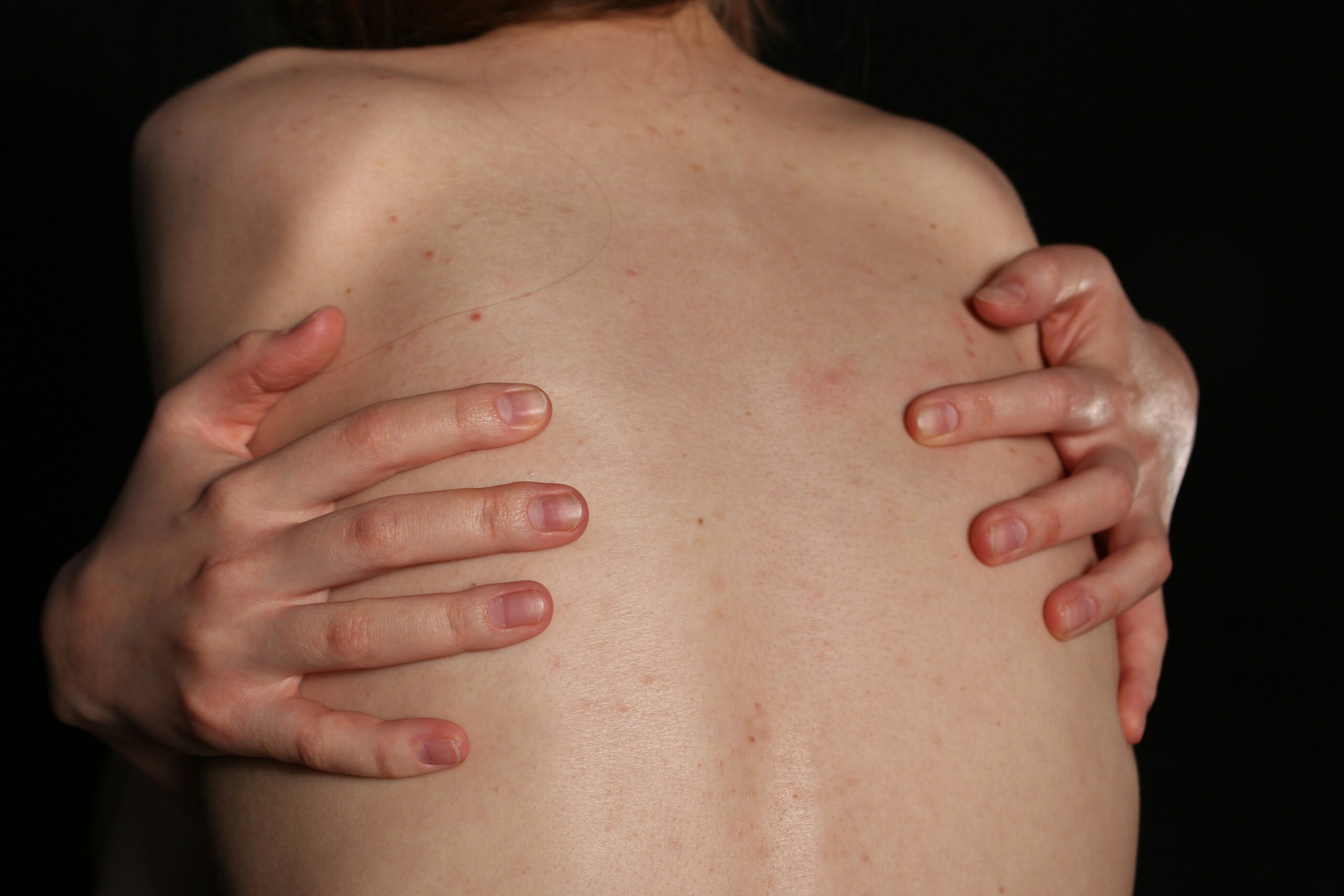
If you grew up before the chickenpox vaccine was common, you probably remember the itchy spots and being stuck at home. While chickenpox is mostly a childhood memory for many of us, the virus that causes it can come back later in life in a different and much more painful form: shingles. It’s a condition many people hear about, but few fully understand until it affects them or someone they know.
Learning about shingles is the first step toward protecting yourself and your loved ones. It’s more than just a rash, and knowing the facts can make all the difference in preventing it or managing it effectively.

What Exactly Is Shingles?
Shingles comes from the varicella-zoster virus, which is the same virus that causes chickenpox. After you recover from chickenpox, the virus doesn’t completely leave your body. Instead, it moves to nerve tissue near your spinal cord and brain, where it stays inactive for years or even decades.
For reasons that aren’t always clear, the virus can reactivate later in life. When it does, it travels along nerve pathways to your skin, causing the painful rash and blisters known as shingles. Unlike chickenpox, which typically affects the whole body, shingles usually appears as a single stripe of blisters on either the left or right side of your torso. It can also show up on the face or neck.
Who Is at Risk for Shingles?
Anyone who has had chickenpox can get shingles. However, some factors significantly increase your risk. Age is the most prominent one; the likelihood of developing shingles increases sharply after age 50. This is often because the immune system naturally weakens as we get older. This naturally leads to the question, is shingles dangerous?, and for those with compromised health, the answer is yes.
A weakened immune system for any reason can also trigger the virus to reactivate. This includes people undergoing certain medical treatments, living with chronic conditions, or experiencing high levels of stress. Understanding the factors that increase your risk is a key part of awareness and prevention. While you can’t change your history with chickenpox, you can be aware of the other contributing factors.
Recognizing the Signs and Symptoms
Shingles symptoms can be tricky because they often start before the telltale rash appears. The first signs are typically localized to one area on one side of the body and can include pain, burning, tingling, or itching. For some people, this initial pain can be intense even before any skin changes are visible.
A few days after these initial sensations begin, a red rash will develop in the same area. This rash quickly turns into fluid-filled blisters that can be very painful. During this time, you might also experience other general symptoms like fever, headache, sensitivity to light, and fatigue. The blisters will eventually crust over and clear up within a few weeks.
How to Reduce Your Risk
The most effective way to protect yourself from shingles and its complications is through vaccination. The shingles vaccine is recommended for adults 50 and older and is highly effective at preventing the disease. Even if you do get shingles after being vaccinated, the vaccine can significantly reduce how severe the illness is and lower your risk of long-term complications.
Beyond vaccination, maintaining a strong immune system is always a good idea. This involves a healthy lifestyle that includes a balanced diet, regular exercise, adequate sleep, and managing stress. While these habits aren’t a guarantee against shingles, they support your body’s ability to fight off infections and keep the varicella-zoster virus dormant. There are several good resources for staying safe from shingles that emphasize both vaccination and overall wellness.
What to Do if You Think You Have Shingles
If you suspect you have shingles, it is very important to contact your doctor as soon as possible, ideally within 72 hours of the rash appearing. Early diagnosis and treatment can make a huge difference.
A doctor can prescribe antiviral medications that help shorten how long the rash lasts and reduce how severe the pain is. More importantly, prompt treatment can significantly lower your risk of developing complications, the most common of which is postherpetic neuralgia (PHN). PHN is long-term nerve pain that can persist for months or even years after the rash has cleared, and it can be debilitating. Don’t wait and hope it gets better on its own; a quick call to your healthcare provider is the best course of action.
Being informed about conditions like shingles is part of taking care of our health as we get older. Knowing the risks and the proactive steps you can take empowers you to protect yourself and focus on living a healthy, active life.

