


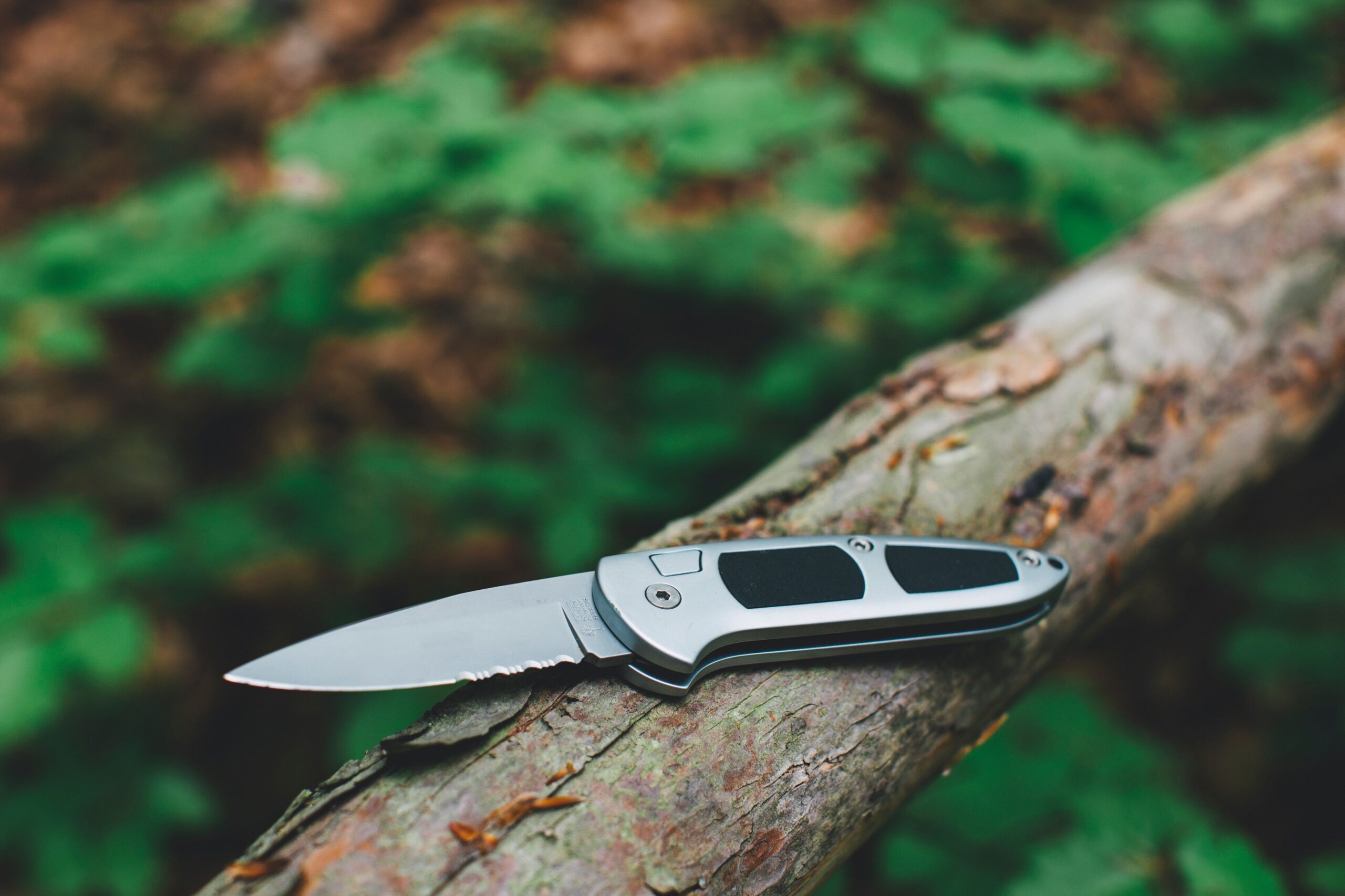
Ask a soldier with real time in the field what they’d never deploy without, and a knife almost always makes the list, often before anything more advanced or technical. This isn’t nostalgia for a simpler era of warfare. It’s a lesson learned through direct, sometimes uncomfortable experience with exactly what happens when the right tool isn’t on hand.
Newer soldiers sometimes have to learn this the hard way, trusting gear that looks impressive on a shelf but fails to hold up once it’s actually put to work. Understanding why experienced soldiers treat this specific piece of equipment with so much respect says a great deal about what actually matters when conditions get difficult.
What ‘The Right Knife’ Actually Means in a Military Context
For soldiers, the right knife isn’t about branding or appearance. It comes down to a specific set of practical qualities: a fixed blade over a folding one for genuine reliability under stress, full tang construction for strength, and steel that holds an edge through repeated, demanding use without constant maintenance.
This distinction matters because a knife carried in the field faces conditions most civilian users never encounter, extreme temperatures, prolonged exposure to moisture, and repeated hard use with no opportunity for careful handling. A knife that performs well in a controlled environment can fail entirely once these real-world demands are added, which is exactly why experienced soldiers are so particular about what they actually trust and carry.
Why Experienced Soldiers Treat This Piece of Gear So Seriously
The U.S. Army’s official Survival Field Manual formally recognizes a functional, reliable knife as foundational survival equipment, not an optional accessory.
A knife earns this level of trust through repeated, practical experience, not marketing or reputation alone. Here are six specific reasons soldiers with real field time come to value the right knife so highly.
1. A Knife Is One of the Few Tools That Never Depends on Batteries or Signal
Nearly every other piece of modern equipment eventually depends on power, connectivity, or some form of maintenance that isn’t always available in the field. A knife requires none of this, functioning identically on day one and day one hundred regardless of conditions. This simplicity is exactly why it remains dependable in situations where more advanced equipment has already failed.
2. It Handles Tasks No Single-Purpose Tool Can Replace
A single, well-made knife handles an enormous range of tasks, from cutting cordage and preparing food to field repairs and emergency medical improvisation, without requiring a separate tool for each one. This versatility matters enormously when pack weight and space are already stretched thin by mission-critical gear. Soldiers learn quickly that a knife earns its place by doing far more than its size would suggest.
3. Reliability Under Extreme Conditions Isn’t Negotiable
A knife that performs inconsistently in cold, wet, or high-stress conditions isn’t simply inconvenient. It can genuinely compromise a soldier’s ability to complete a task or respond to an emergency at exactly the wrong moment. This is why experienced soldiers prioritize proven construction and material quality over anything that looks impressive but hasn’t actually been tested under real pressure.
4. It Serves as a Last-Resort Tool When Everything Else Fails
When more specialized equipment breaks, runs out of power, or simply isn’t available, a knife remains one of the last genuinely dependable tools a soldier can rely on. This last-resort role is exactly why soldiers with real field experience never treat their knife as an afterthought, regardless of how much other equipment they’re carrying. A knife that fails at this moment isn’t just a disappointment. It can be a genuine problem with no easy backup.
5. The Right Knife Becomes Muscle Memory, Not a Decision
After enough time in the field, reaching for a trusted knife becomes as automatic as checking a weapon or securing a pack, requiring no conscious thought in the moment it’s actually needed. Soldiers who’ve carried a PVK knife through repeated deployments often describe this same familiarity, reaching for it without hesitation the same way they would any other essential piece of gear. This kind of earned trust, built through repetition rather than a single good first impression, is exactly what separates gear soldiers genuinely rely on from gear they simply carry.
6. Experienced Soldiers Learn to Trust Simplicity Over Complexity
Soldiers who’ve spent real time in difficult conditions consistently gravitate toward simple, mechanically sound gear over anything with unnecessary complexity that introduces more points of potential failure. A knife embodies this principle directly, since its value comes entirely from doing one job exceptionally well rather than attempting to do many things adequately. This preference for simplicity, earned through experience rather than theory, shapes how soldiers evaluate nearly every piece of gear they carry.
Choosing the Type That Actually Matches What You Need
Not every knife needs to serve the same purpose, and understanding this distinction matters more than most people realize before comparing specific models. A knife meant for quick, everyday utility work looks and performs differently than one built for prolonged field use under genuinely demanding conditions, and confusing the two often leads to disappointment down the line.
The steel, construction, and handle material all shape how well a knife actually holds up once it’s put to real, sustained use, and matching these specific qualities to the task at hand is exactly the kind of thinking experienced soldiers apply without hesitation. Options like strider knives are built around this same principle, offering different configurations suited to genuinely different needs rather than a single, one-size-fits-all design. Taking the time to understand what a specific task actually requires, before comparing knives against that standard, tends to lead to a far more satisfying choice than picking whatever looks most capable on a shelf.
Why This Kind of Judgment Only Comes With Time
Knowing which knife actually holds up isn’t something a soldier learns from a spec sheet or a first impression. It comes from watching a blade perform, or fail, under conditions that reveal exactly what it’s made of, sometimes in a moment when there’s no room for a tool to let them down.
This is exactly why newer soldiers often trust gear that looks capable but hasn’t actually proven itself, while experienced soldiers gravitate toward the same handful of trusted options again and again. Their confidence isn’t guesswork or brand loyalty. It’s the accumulated result of seeing, firsthand, which qualities actually matter once a knife is asked to perform under real pressure.
Final Thoughts
Experienced soldiers value the right field knife because they’ve learned, often through direct necessity, exactly what happens when a tool doesn’t hold up under real pressure. From its complete independence from power or signal to its role as a genuine last resort when everything else fails, a good knife earns its place through demonstrated reliability, not reputation alone. For anyone serious about carrying gear that can actually be trusted, that same hard-earned standard is worth applying long before it’s ever truly tested.

