


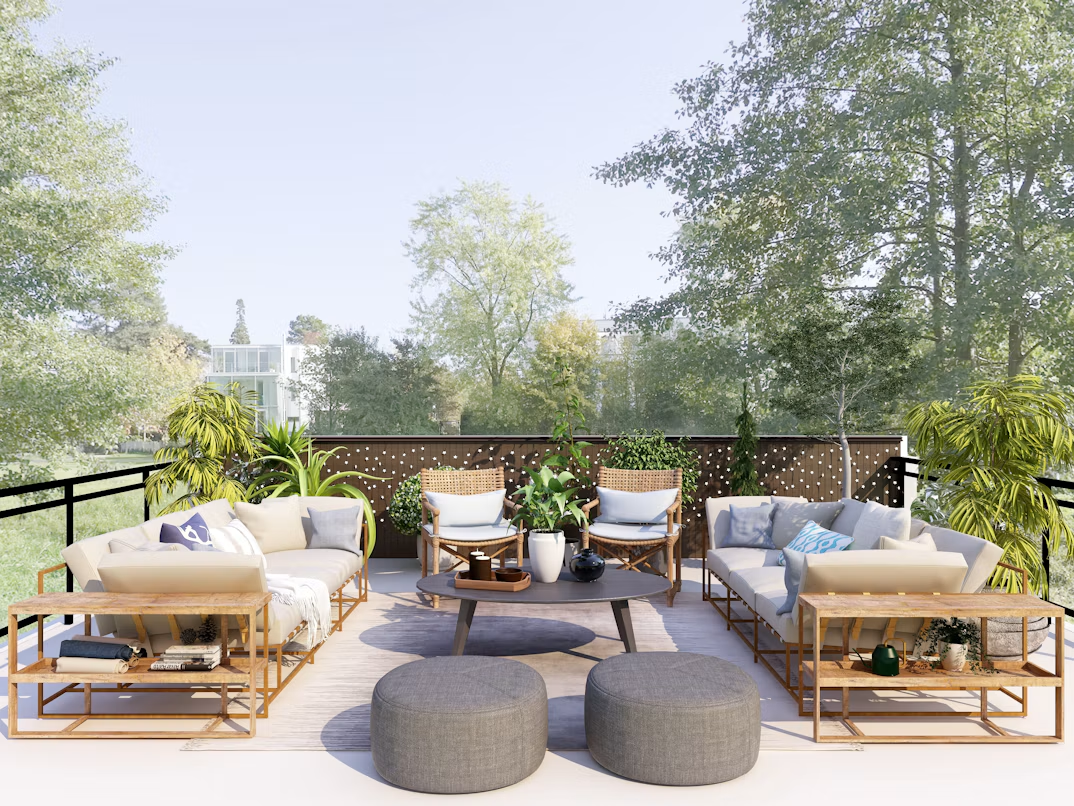
A well-designed patio, deck or backyard can function like an extra room, giving your family more space to eat, relax and spend time together. The most useful outdoor living areas combine comfortable furniture, clear pathways, practical lighting and protection from changing weather.
You don’t need a huge yard or a major renovation, either. A few thoughtful updates can turn an overlooked corner into a place that supports daily life from breakfast through evening conversations.

The Value of Outdoor Space
Outdoor living space adds usable square footage without changing your home’s footprint. A compact balcony can become a quiet reading area, while a larger patio might handle family dinners, children’s activities and casual entertaining. The real value comes from designing the space around routines you already enjoy.
Start by watching how sunlight, shade and wind move through the area over a full day. Morning sun may make one corner ideal for coffee, while afternoon shade could create a more comfortable dining spot. These conditions also influence where plants, fabrics and furniture will perform best.
Good planning may also support a home’s appeal. This guide to designing an outdoor living space explains how patios, lighting and defined activity areas can contribute to a property’s function and character. Still, your first priority should be creating a place your household will actually use.
Think about maintenance before adding permanent features. Large gardens, elaborate water features and untreated wood surfaces may require regular attention. If your schedule is already full, washable cushions, container plants and easy-care flooring can deliver a welcoming look with less work. Measure the entire area, mark doors and steps and leave at least 3 feet for main walkways. That simple floor plan can prevent crowded layouts and frustrating furniture returns.
Creating Functional Zones
Divide the outdoor area according to activity, even when you’re working with limited square footage. A rug can visually define a lounge, while a narrow console or row of planters can separate dining space from a play area. Keep the busiest route between the house and yard open so people aren’t squeezing past chairs or stepping over toys.
For a space centered on conversation and relaxation, a patio conversation set can establish the main seating zone and make the remaining decisions easier. Check the full dimensions, including the space needed to pull out chairs or walk around a table. Three-piece arrangements often suit balconies and small patios, while four-piece groupings can serve larger households or frequent guests.
Give each zone a practical surface. Someone seated with coffee needs a stable place for the cup, and an outdoor dining area needs enough tabletop room for plates without becoming difficult to cross. Small side tables that double as stools can help a compact layout adapt when guests arrive.
Comfort also depends on placement. Face lounge chairs toward each other so conversation feels natural, then angle one or two seats toward the garden or view. Wider, level paths help guests, older relatives and family members carrying trays move around more safely.
Seamless Indoor-Outdoor Flow
The transition between your house and patio should feel easy during everyday use. Place an outdoor dining table near the kitchen when meals will be served there, and keep grilling or food-preparation equipment far enough from doors and seating to prevent smoke and heat from becoming a nuisance. Frequently used items such as napkins, serving trays and outdoor dishes can live in a cabinet close to the exit.
Repeat a few visual details from the adjoining room. Similar colors, wood tones or simple geometric shapes create a sense of continuity without requiring matching furniture. If the living room includes navy pillows and warm wood, for example, carry one of those elements outside through weather-resistant cushions or planters.
Floor level matters too. Loose rugs, raised thresholds and uneven pavers can interrupt the route and create tripping hazards. Repair unstable surfaces and use exterior rugs with slip-resistant backings.
After dark, use several soft light sources instead of relying on one bright fixture. Wall lights can illuminate the doorway, low-voltage path lights can mark changes in elevation and rechargeable table lamps can add a warm glow around seating. Aim fixtures downward when possible to reduce glare.
For a more detailed look at shade, shelter and flexible layouts, this guide to building an outdoor space offers ideas for keeping the area useful across the seasons. Connecting indoor and outdoor spaces is easier when both sides support the same routines and feel equally comfortable.
Year-Round Enjoyment
Seasonal comfort starts with shelter. A retractable awning, large umbrella or covered structure can reduce strong sun and make brief rain showers less disruptive. Secure freestanding pieces according to the manufacturer’s instructions, especially in exposed yards where sudden wind can lift umbrellas or move lightweight furniture.
Select materials suited to local conditions. Powder-coated aluminum resists corrosion and is easy to move, while resin wicker offers a woven look with less upkeep than many natural fibers. Dense fabrics designed for exterior use handle moisture and sunlight better than indoor textiles, though cushions still last longer when stored during storms and extended periods of disuse. The EPA’s sun safety guidance explains how shade, clothing and timing can reduce ultraviolet exposure during outdoor activities.
Temperature control doesn’t have to involve complicated equipment. In warm months, a fan rated for outdoor use can improve airflow under a covered patio. During cooler weather, layered throws and seat cushions make the area inviting on mild days. Always follow product clearances and local rules for any heating device, and never use equipment intended for indoor spaces on a patio.
Build storage into the layout so seasonal changes don’t create clutter. A weather-resistant deck box can hold cushion covers, blankets and children’s outdoor supplies, while labeled bins make small items easy to find. Give furniture a quick cleaning at the start and end of each season, tighten loose hardware and inspect fabric for wear.
The best test is simple: sit outside at the time you expect to use the space. You’ll quickly notice if the evening sun hits someone’s eyes, a table feels too far from the kitchen, or an extra lamp would make after-dinner conversation more comfortable. Those small adjustments are what turn an attractive patio into a true extension of home.

