


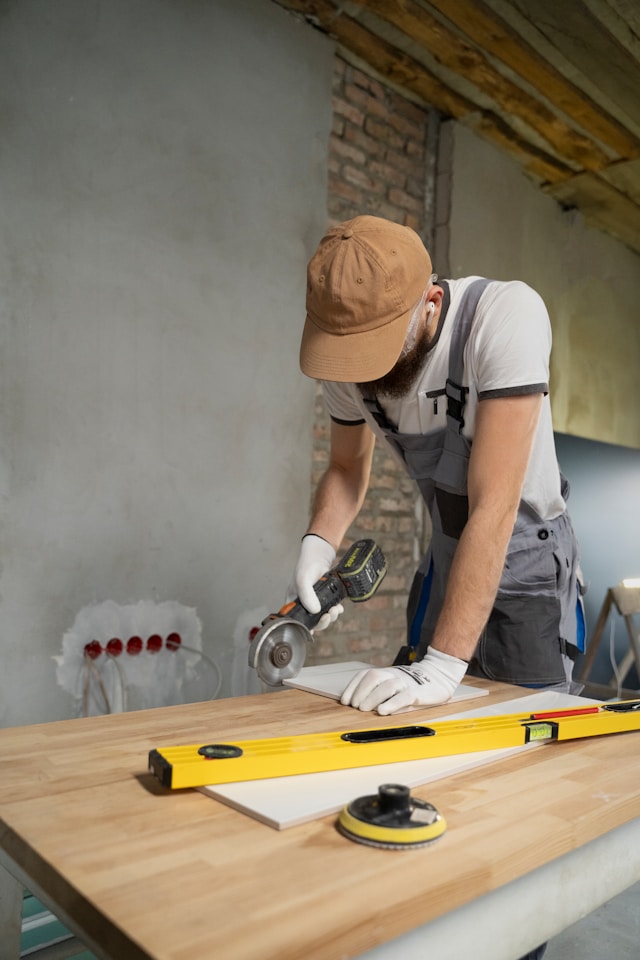
That little drip from the kitchen faucet or the scuff mark on the wall that’s been bothering you for months can feel like a major challenge. Many of us look at home repairs and think, “I could never do that.” But honestly, a surprising number of home projects are totally doable for a beginner. You don’t need a contractor’s license or a garage full of expensive equipment to make a real difference in your space. All you need is a little guidance and the confidence to try. This guide will walk you through some DIY home projects that are much easier than you think, helping you build skills and create a home you’re even more proud of.
Tackling Small Repairs
Want to build your DIY confidence? The best way is to start with small, manageable wins. Think about those little annoyances around your home that you’ve just learned to live with. A squeaky door hinge, a loose cabinet handle, or a toilet that constantly runs are perfect starting points. These issues often have surprisingly simple fixes that need minimal tools and time. For example, a running toilet is frequently caused by a faulty flapper, which is a cheap rubber part you can replace in about 15 minutes without any special tools. Patching small nail holes in drywall is another great beginner project. A small tub of spackle, a putty knife, and a bit of sandpaper are all you need to make your walls look flawless again. There are many simple DIY projects you can complete in under an hour that will make a noticeable difference. Each tiny repair you complete is a step toward feeling more capable and in control of your living space.
Upgrading Your Comfort System
When you hear “HVAC,” you probably picture a complex system that’s strictly off-limits for anyone but a seasoned professional. For traditional central air systems, that’s often true. But what about adding heating and cooling to a new addition, a garage workshop, or a sunroom that’s always too hot or too cold? In the past, this meant a costly and disruptive extension of your existing ductwork. Luckily, technology has made some of these larger projects much more accessible. For instance, you can now find quick-connect DIY mini splits that are specifically engineered for homeowner installation. These systems provide powerful, efficient heating and cooling for single rooms or zones without needing to connect to ductwork. The “quick connect” part means the refrigerant lines come pre-charged and sealed, eliminating the most complicated step that once required a licensed technician. With clear instructions and a few basic tools, you can install a high-efficiency comfort system over a weekend and save a significant amount of money in the process.
Simple Cosmetic Updates
Not all DIY has to be about repairs and utility. Some of the most satisfying projects are the ones that give your home a fresh new look, especially when you do home maintenance like a pro. Cosmetic updates can have a huge impact on how you feel about a room, and many are incredibly easy to do. Painting is the classic example. You don’t have to paint an entire room to make a change; a single accent wall can completely transform the space in just a few hours. Another high-impact, low-effort project is updating hardware. Swapping out dated drawer pulls and cabinet knobs in your kitchen or bathroom is as simple as using a screwdriver, yet it can make the whole room feel more modern and stylish. In recent years, peel-and-stick products have become a DIYer’s best friend. From backsplashes to floor tiles and wallpaper, these products let you experiment with new styles without a long-term commitment or messy adhesives. There are countless home improvement ideas that can refresh your space without requiring a major renovation.
Tools for the Job
The thought of buying tools can be intimidating, but you don’t need a professional-grade workshop to handle most home DIY projects. The key is to start with a small, versatile set of quality basics that will cover a wide range of tasks. You can build your collection over time as you take on new challenges.
A great starter toolkit should include:
- A cordless drill/driver: This is arguably the most important tool you’ll own. It drills holes and drives screws, saving you tons of time and effort.
- A good set of screwdrivers: Get a set with various sizes of both flathead and Phillips heads.
- A hammer: A 16-ounce claw hammer is a versatile choice for everything from hanging pictures to small demolition tasks.
- Pliers: A multi-use set including needle-nose and channel-lock pliers will come in handy more often than you expect.
- A tape measure and a level: These are essential for ensuring your work is accurate and straight.
Don’t feel pressured to buy the most expensive option. For a beginner, a reliable mid-range tool is more than enough. Having these items on hand means you’ll be ready to tackle a small repair the moment it appears instead of putting it off.
Confidence in Your Skills
Ultimately, the biggest tool you have is your own confidence. Every single DIY expert started out as a complete beginner. They learned by trying, and yes, by sometimes making mistakes. The key is to approach each project as a learning opportunity rather than a pass-or-fail test. Before you start, watch a few online video tutorials. Seeing someone else complete the task demystifies the process and often reveals helpful tips that aren’t in the written instructions. Always read the manual for any new tool or product you buy. Start with low-stakes projects. Painting a closet is a great place to practice your cutting-in skills before you move on to the living room. If you make a mistake, remember that most are fixable. A bad paint job can be painted over, and a crooked shelf can be re-hung. Each project you finish will give you the confidence to tackle something a little bigger next time.
The goal isn’t to become a master carpenter overnight. It’s about empowering yourself to improve and maintain your own home. With each turn of the wrench or stroke of the paintbrush, you’re not just fixing a thing; you’re building skills, saving money, and gaining a deeper connection to the space you call home.

