


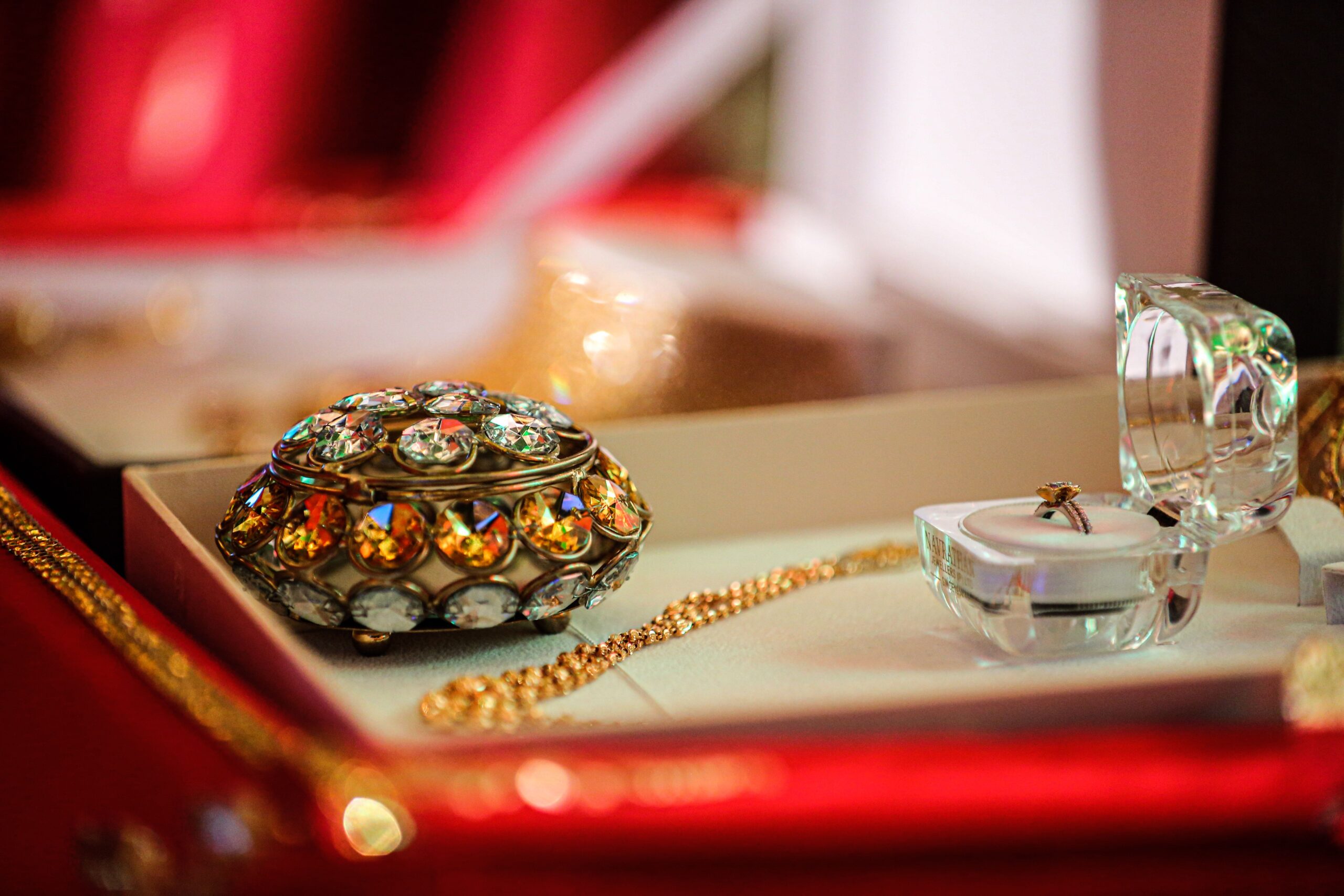
When your wedding band has lost its sparkle or you simply want a change, replacing it doesn’t have to feel like a major decision. Many people wear the same wedding band for decades, but tastes evolve, lifestyles shift, and sometimes the original choice no longer matches who you are. Whether you’re refreshing your ring because of wear and tear, a change in personal style, or the desire to mark a new chapter in your marriage, understanding how to select the right replacement band ensures you end up with something you’ll love wearing every day for years to come.
Understanding Your Current Style Preferences
Before shopping for a new wedding band, take time to reflect on what you actually want to wear. Your style today may differ significantly from what appealed to you on your wedding day. Look at the jewelry you currently gravitate toward in your everyday life. Notice whether you tend toward warm metals like yellow or rose gold, cool-toned platinum or white gold, or perhaps mixed metals that combine different shades. This honest assessment of your current aesthetic preferences will guide every other decision you make during the selection process.
Pay attention to how your existing jewelry coordinates with your wardrobe and skin tone. If certain metals make you feel more confident or look better against your complexion, that is valuable information to carry forward. Consider your lifestyle as well. Someone who works with their hands regularly might prefer a more durable, lower-profile band than someone with a primarily desk-based role. Your refresh should result in a ring that feels genuinely like you, not something that looks beautiful in the store but feels out of place once you’re wearing it daily.
Evaluating Metal Options and Durability
The choice of metal significantly impacts both the appearance and longevity of your wedding band. Platinum is among the most durable options available, resistant to scratching and naturally hypoallergenic, though it comes with a premium price. White gold and yellow gold offer classic elegance and work well with most skin tones, though they require periodic re-plating to maintain their bright finish over time. Rose gold has surged in popularity over the past decade and offers a warm, contemporary aesthetic that appeals to many people seeking something different from traditional options.
When evaluating metals, think about maintenance requirements as well. Gold requires more upkeep than platinum because it is softer and more prone to scratching, but many people incorporate regular polishing into their jewelry care routine without difficulty. Palladium is another option worth considering, offering durability similar to platinum but at a lower cost. Some people choose mixed metal bands that incorporate two or three metals in one design, allowing them to coordinate with multiple jewelry pieces. The right metal depends on your budget, your willingness to maintain the piece, and how frequently you want it professionally serviced.
Considering Band Width and Profile
The width and profile of your wedding band influence how it looks on your hand and how it feels during daily wear. Wider bands make a bolder statement and can feel more substantial on the finger, while narrower bands offer a delicate, understated look. There is no universal correct width, but trying on several options side by side helps clarify what feels proportional to your hand size and personal style. Some people prefer the comfort fit option, which features a slightly rounded interior that sits smoothly against the skin, while others prefer a traditional flat band for a more defined appearance.
The profile describes the shape of the band when viewed from the side. A domed profile creates a rounded appearance, while a flat profile presents clean lines. Some bands feature subtle texture or patterning, such as milgrain detailing or hammered finishes, that add visual interest without dramatically changing the band’s overall presence. Think about how your new band will sit in relation to your engagement ring if you wear one, since some people prefer bands that sit flush against the setting while others like a small gap for styling flexibility. Spending time trying on different widths and profiles helps you understand your genuine preference rather than relying on assumptions.
Exploring Design Details and Personalization
Modern wedding band refresh options extend far beyond the plain band of decades past. You might consider subtle design elements such as gemstone accents, engraving, or mixed metal inlays that make your new band feel personalized. Some people choose bands with small diamonds or colored stones set at intervals, while others prefer textured surfaces that catch light in interesting ways. These design touches can commemorate meaningful dates, reflect personal interests, or simply add visual dimension to a piece you’ll wear constantly.
Engraving offers a personal touch that many people appreciate, whether it’s initials, a meaningful date, or a short phrase that holds significance for your relationship. This customization transforms a standard band into something uniquely yours without necessarily changing the overall design. Consider whether personalization matters to you, as some people find great meaning in a customized piece while others prefer the timeless quality of an unadorned band. If you do choose to personalize your band, select text or imagery that will continue to feel meaningful years from now, not only in the current moment of refresh.
Working with a Jeweler and Making Your Purchase
Finding the right jeweler for your wedding band refresh matters as much as selecting the band itself. Look for a jeweler with strong credentials, whether through professional certifications, years in business, or positive customer reviews from people you trust. A reputable jeweler should be willing to answer your questions thoroughly, let you try on multiple options, and discuss the specifics of metal quality and durability. For couples comparing styles and metals during an in-person fitting, Vansweden Jewelers wedding bands offers expert guidance and a curated selection that helps narrow down the right choice with confidence.
When you’ve found the right band, discuss pricing transparently and understand exactly what you’re paying for. Ask about warranties, maintenance plans, and what happens if your band needs repair in the future. If you’re trading in your old band as part of the purchase, understand how that value is calculated before agreeing to terms. Take time with your decision and don’t let pressure rush you into choosing something you’re not completely certain about. A wedding band is something you’ll wear daily, so the process deserves the care and patience it takes to arrive at a genuinely satisfying choice.
Conclusion
Refreshing your wedding band is an opportunity to realign your daily jewelry with your current style, lifestyle, and preferences. By evaluating your aesthetic tastes, considering the practical aspects of metal choice and maintenance, exploring different profiles and widths, and examining design personalization options, you set yourself up for a purchase you’ll truly enjoy. Working with a trustworthy jeweler who listens to your needs and provides knowledgeable guidance makes the entire process smoother and more confident. Your new wedding band should feel like a natural expression of who you are today, not a relic of who you were years ago.

