


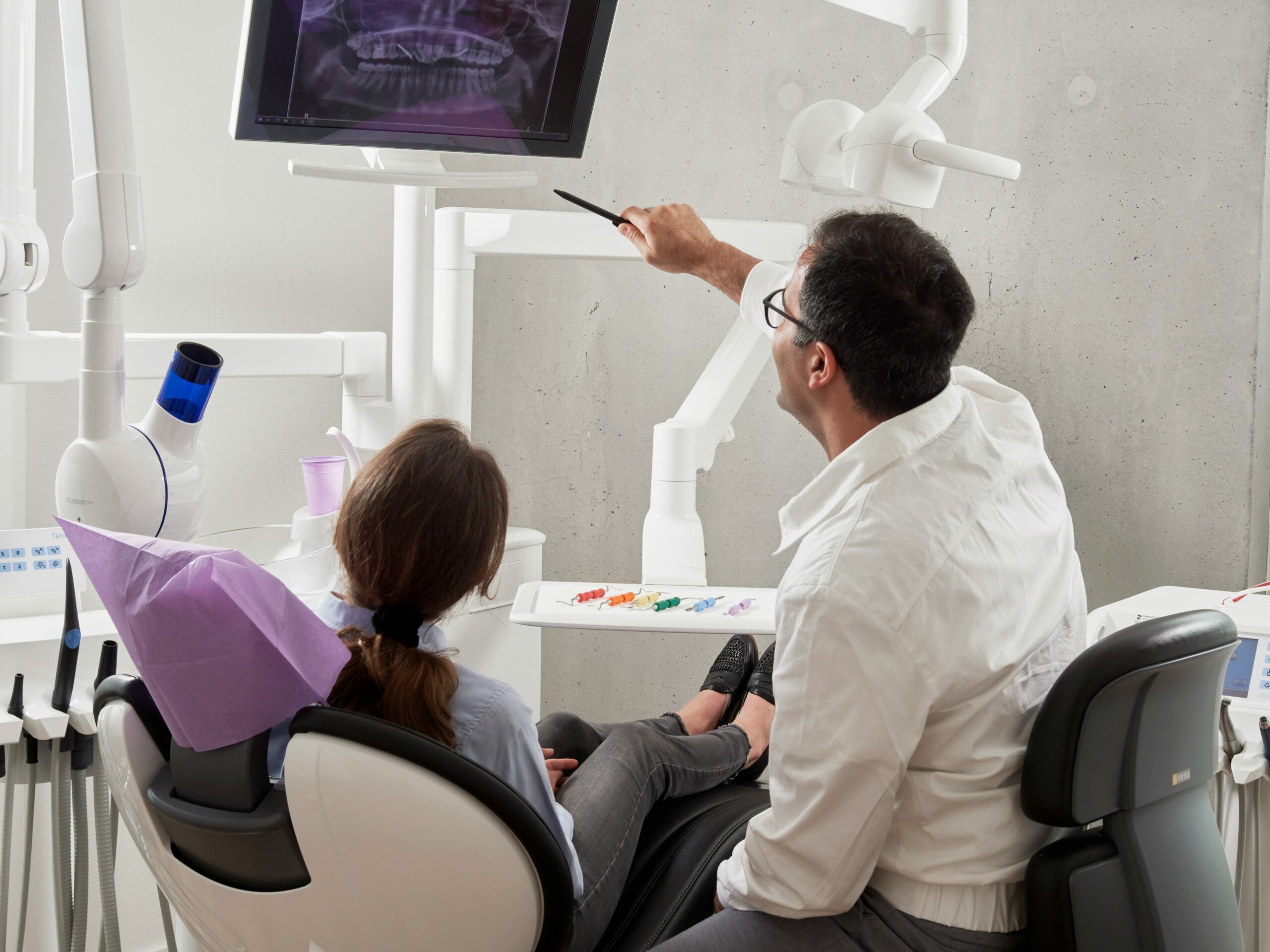
Family schedules have a way of filling up with pediatric appointments, school events, and work deadlines before your own needs reach the calendar. Routine oral health care can quietly slip down the list, especially when discomfort seems manageable. Yet a small dental concern may become harder and more expensive to address over time.
Prioritizing your teeth supports far more than your smile. Comfortable chewing, clear speech, and the ability to enjoy a varied diet all affect daily life. If you’ve postponed an exam or adapted to a missing tooth, now may be a good time to give your health the same attention you give everyone else’s.
Putting Mom Last on the Calendar
Many moms get used to handling their own discomfort. You might chew on one side, avoid cold drinks, or take an over-the-counter pain reliever when a tooth aches. These adjustments can feel practical during a busy week, but they may hide a condition that needs professional care.
Dental problems also don’t always hurt at first. Early decay and gum disease can progress with few obvious symptoms. Regular exams give a dentist the chance to check your teeth, gums, and existing dental work before a problem disrupts meals or sleep.
Make scheduling easier by treating your appointment like any other family commitment. Put it on the shared calendar, arrange child care in advance, and avoid choosing a week packed with major events. If anxiety has contributed to the delay, tell the dental office when you call. Staff members can explain what to expect, schedule extra time, or discuss ways to keep you comfortable.
You don’t need to solve every concern in one visit. An initial exam can establish what requires prompt attention and what can wait. Ask for a written treatment plan that separates urgent care from elective improvements. That clear order can make a long list feel much more manageable.
Hidden Costs of Delaying Treatment
Waiting often seems like the budget-friendly choice, particularly when a tooth isn’t causing constant pain. The problem is that untreated tooth decay can spread deeper into a tooth. A cavity that might have needed a filling could later require more involved treatment. Gum inflammation may also progress and affect the tissues supporting the teeth.
There are everyday costs as well. Dental pain can interfere with sleep, concentration, and patience. Missing teeth may cause you to avoid certain foods or feel uncomfortable speaking in photographs and social situations. These changes can gradually become your new normal even though treatment options are available.
Start with an estimate based on an actual exam. Online prices can offer context, but your total depends on the number of teeth involved, the condition of your gums and jaw, and any preparatory care you need. For people considering permanent tooth replacement in South Florida, a guide to dental implant costs can help frame the financial questions to bring to a consultation.
Ask the office for an itemized estimate that includes imaging, temporary restorations, follow-up appointments, and the final replacement tooth. Check what your dental plan may cover and request written financing terms if you’re considering monthly payments. A complete figure is more useful than a low starting price that leaves out major stages of care.
Understanding Modern Tooth Replacement
A missing tooth can be replaced in several ways, and no single option suits every person. Common choices include a removable partial denture, a fixed bridge, and a dental implant. Your dentist should explain the expected lifespan, cleaning requirements, treatment timeline, and effect on nearby teeth for each option.
An implant is a small post placed in the jaw to support a replacement tooth. The process of getting dental implants may involve multiple appointments and a period of healing before the final crown is attached. Some patients need bone or gum treatment first, so the full timeline can span several months.
A bridge uses neighboring teeth for support, while a removable appliance can replace one or more teeth without a surgical placement procedure. Those alternatives may have a shorter treatment timeline or a lower initial price. They also come with distinct cleaning needs and maintenance expectations.
During a consultation, ask these specific questions:
- What options are appropriate for my mouth and overall health?
- How many visits will the full treatment require?
- What care might I need before tooth replacement begins?
- Which fees are included in the written estimate?
- What maintenance or future replacement should I expect?
Your health history matters too. Share your medications, chronic conditions, and past dental experiences honestly. A qualified dentist needs that information to assess healing and recommend a safe plan. If a proposed treatment feels unclear, request a plain-language explanation or seek a second professional opinion.
Reclaiming Confidence and Nutrition
Tooth loss and ongoing dental pain can change the way you eat without drawing much attention. Crunchy vegetables, firm fruit, and chewy proteins may disappear from your plate. Softer choices can be useful for a short recovery period, but relying heavily on refined foods may reduce variety and make balanced meals harder to build.
Choose nourishing textures that match your current comfort level. Eggs, yogurt, beans, oatmeal, flaky fish, and blended soups can provide useful nutrients when chewing is difficult. A registered dietitian’s guidance on protein-rich foods may help you plan satisfying meals during treatment. Follow your dentist’s specific restrictions after any procedure, since safe food temperatures and textures can change during recovery.
Confidence can return in small, practical ways too. You may stop covering your mouth when you laugh, feel more relaxed during family pictures, or order from a menu without first calculating what you can chew. Those outcomes deserve space in treatment discussions alongside appearance.
Be realistic about timing. Temporary swelling or tenderness may affect eating and social plans for a few days, while some treatment stages require longer healing. Ask when you can expect to return to work, exercise, and your usual diet. Schedule major appointments away from vacations or important family events when possible, and line up help at home if the first day of recovery may be uncomfortable.
Build a Practical Recovery Routine
A smooth recovery starts before your appointment. Fill any prescribed medication in advance, stock the refrigerator with approved foods, and prepare a clean place to rest. If your dentist recommends that someone drive you home, confirm the ride before treatment day instead of trying to arrange it at the last minute.
Keep the office’s post-treatment care instructions where you and another household member can find them. Follow the guidance on brushing, rinsing, eating, and activity. Don’t add home remedies without asking the dental team, since some products or vigorous cleaning methods can disturb healing tissue.
Set phone reminders for medication and follow-up visits. If you’re caring for young children, prepare easy meals, lay out clothes, and delegate bedtime duties for the first evening. Rest is easier when routine decisions have already been handled.
Contact the dental office if pain gets worse instead of gradually improving or if you develop heavy bleeding, marked swelling, fever, or another symptom listed in your care instructions. The team can decide whether you need an earlier evaluation. Keep every scheduled follow-up even when you feel fine, since the dentist may need to check healing or adjust a temporary restoration.
Once recovery is complete, protect the result with daily brushing, cleaning between teeth, and regular professional care. Put your next checkup on the family calendar before leaving the office. That reserved appointment turns your oral care into a normal part of the household schedule, where it belonged all along.

