


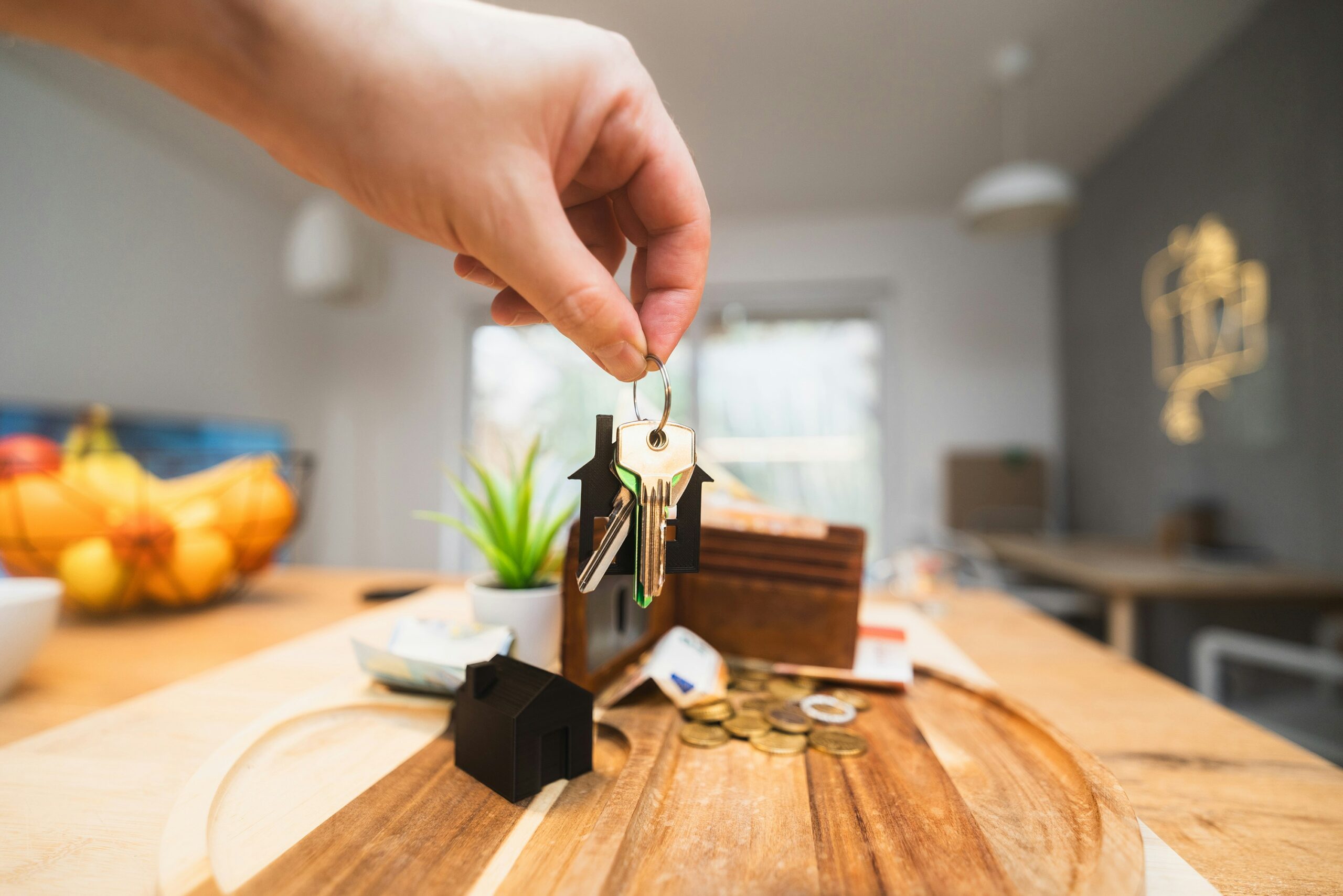
Small energy and maintenance costs can quietly add up, making a carefully planned household budget feel less predictable. The trouble often comes from routine habits and overlooked equipment, not one dramatic expense. A charger left plugged in, a dirty filter or an aging water heater may seem harmless on its own. Across an entire year, though, these hidden costs can claim money that would be better used for groceries, savings or family activities.

Phantom Electricity from Idle Devices
Many electronics continue drawing electricity after you turn them off. This standby use, often called phantom power, comes from clocks, indicator lights, remote sensors and internet connectivity. Televisions, gaming systems, printers and countertop appliances are common examples.
Start by unplugging devices you rarely use. For an entertainment center or home office, connect several items to a power strip so you can shut them down with one switch. Smart plugs can place equipment on a schedule. Reports on this hidden electricity drain also highlight the value of checking devices throughout the home, since many small energy draws can become a noticeable expense together.
Neglected Air Ducts and Clogged Filters
A clogged HVAC filter restricts airflow, so the system may run longer to reach the temperature on the thermostat. Check the filter monthly during periods of heavy heating or cooling. Many standard filters need replacement every one to three months, though pets, renovations and household allergies may call for more frequent changes.
Keep supply vents open and clear of furniture, curtains and toys. If certain rooms remain dusty or uncomfortable after basic maintenance, ask a qualified technician to inspect the system. Duct problems, blocked returns or damaged connections can waste conditioned air. Be cautious about paying for routine duct cleaning without evidence of a specific problem, such as visible debris or contamination.
Overlooked Savings from Local Utilities
Utility programs may reduce the cost of energy-saving home services, yet many households never check what’s available. Rebates can change during the year and eligibility may depend on your service address, equipment or approved contractor requirements. Search your provider’s website before scheduling major maintenance or replacing a system.
Homeowners in the ComEd service area can review guidance on HVAC rebates when planning an A/C clean and check. Confirm the current rules before work begins, then save invoices, model numbers and application documents. Some programs require paperwork within a set period. A quick eligibility check can prevent you from missing a rebate after you’ve already paid the full bill.
Inefficient Water Heating Habits
Water heating costs climb when a household uses more hot water than needed or keeps the temperature set too high. Check the manufacturer’s instructions before adjusting your water heater, since the correct setting depends on the equipment and household needs. Fix dripping hot-water faucets promptly because even a slow leak makes the heater replace water that no one used.
Shorter showers and cold-water laundry cycles can also lower demand without disrupting the family routine. Run the dishwasher only when it’s full and choose its energy-saving cycle when practical. If hot water takes a long time to reach a distant bathroom, have a professional check for plumbing issues and discuss appropriate pipe insulation.
Aging Appliances Working Overtime
Older appliances don’t always need immediate replacement, but rising bills and declining performance deserve attention. A refrigerator with worn door seals may cycle too often, while a dryer with restricted airflow can take multiple rounds to finish one load. Clean refrigerator coils according to the owner’s manual, inspect seals with a sheet of paper and clear the dryer’s lint screen after every cycle.
Track repair costs before approving another service call. If an appliance needs frequent repairs, compare its estimated yearly energy use with that of a suitable new model. Purchase price matters, but so do operating costs, capacity and expected lifespan. Replace equipment on a planned timeline when possible so an emergency breakdown doesn’t force a rushed decision.
Hidden household expenses become easier to control once you connect each bill to the equipment and habits behind it. Keep a simple note of filter changes, maintenance visits and monthly utility totals. After a few billing cycles, that record can reveal whether the refrigerator is cycling less, the HVAC system is running more efficiently or those switched-off power strips are producing measurable savings.

