


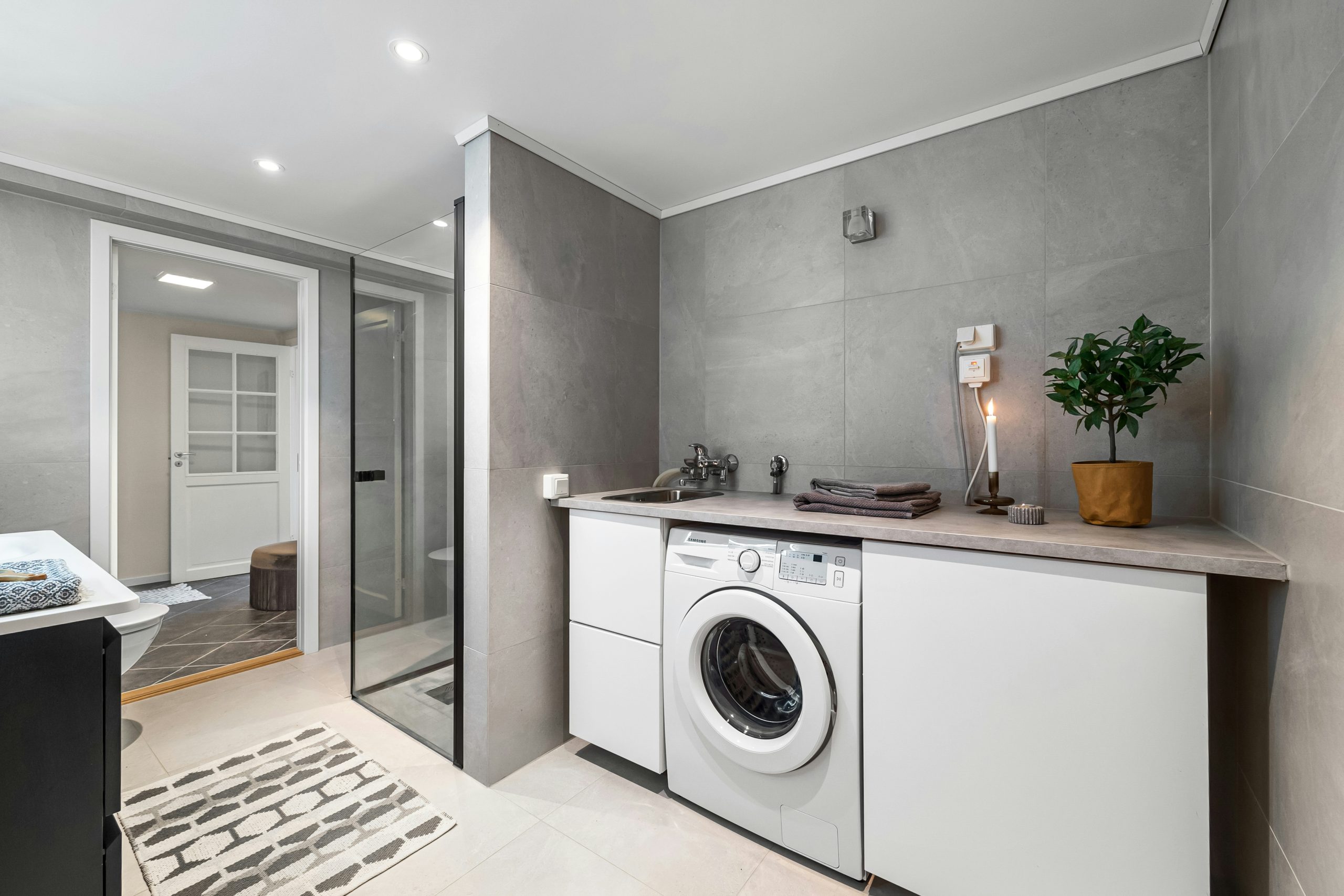
A clothes dryer can create a serious home hazard when lint and heat build up in places you can’t easily see. Cleaning the lint screen after every load helps, but that simple habit doesn’t address the entire exhaust system. Lint can collect behind the appliance, inside the connecting duct, and along the vent that carries warm air outdoors.
Restricted airflow makes the dryer work harder and run longer. It may also raise energy use, wear out fabrics sooner, and increase the risk of overheating. Knowing what to watch for and when to call a professional can keep laundry day safer and more efficient.

Warning Signs Inside the Laundry Room
Start by paying attention to changes in your dryer’s performance. A typical load that once dried in 40 minutes shouldn’t suddenly need a second full cycle. Longer drying times often mean moist air can’t move through the vent freely. Heavy items may take longer under normal conditions, but everyday shirts and towels should not remain damp after a standard cycle.
Other warning signs include:
- Clothing that feels unusually hot at the end of a cycle
- A dryer exterior or control panel that becomes very warm
- A laundry room that feels humid while the machine runs
- A stale or overheated smell near the appliance
- Lint collecting behind the dryer or around the exterior vent opening
- An outdoor vent flap that barely opens during operation
Stop the dryer and investigate if you notice a burning odor, visible smoke, or excessive heat. Don’t run another load to see if the problem clears on its own.
Some common laundry mistakes can also add strain, especially overloading the drum or drying bulky pieces in one tightly packed load. Give wet items enough room to tumble so warm air can circulate.
When warning signs continue after you clean the lint screen and check the visible connections, a professional inspection is the sensible next step. If you need help, my favorite dryer vent cleaning service provider can assess the vent system and identify issues that may be restricting airflow.
Why Lint Traps Never Catch Everything
The lint screen captures a large amount of loose fiber, but its mesh must still allow air to pass. Tiny particles can move through the screen and enter the exhaust duct. Over months of regular use, those particles settle along bends, joints, and rough interior surfaces.
Lint may also escape around a screen that’s cracked, warped, or not seated correctly. Fabric softener residue can create another problem by leaving a thin film on the mesh. The screen may look clean while airflow remains restricted. Wash it occasionally with warm water and mild dish soap, then let it dry completely before putting it back.
The route to the exterior matters too. A short, straight vent generally moves air more effectively than a long duct with several turns. Each bend gives lint another place to collect. Crushed or sagging connector material behind the dryer can restrict airflow even when the rest of the duct is clear.
A dirty lint trap can contribute to overheating, so remove lint before or after every load. Still, treat the screen as the first layer of maintenance, not the full solution.
Check the outdoor opening while the dryer runs. You should feel a steady flow of warm air and see the flap open freely. Weak airflow can point to a blockage, though it may also indicate a damaged connection or another appliance problem that needs professional attention.
Bringing in Certified Help for Deep Cleaning
A technician can inspect the vent route, disconnect the appliance safely, and use specialized equipment to remove material along the full length of the duct. This becomes especially useful when a vent travels through a wall, ceiling, or upper floor before reaching the outdoors.
Before booking an appointment, ask how the company verifies that airflow has improved. A reputable provider should be able to explain its process in plain language and inspect both ends of the system. Ask whether the service includes the connector behind the dryer, the main exhaust duct, and the exterior termination point. You should also confirm that the business carries appropriate insurance and trains its technicians for this type of work.
Be cautious about unusually low advertised prices that cover only a quick inspection or a small section near the appliance. Request a clear description of what the quoted price includes before the visit begins. If the technician discovers damaged ductwork or an improper vent setup, ask for photos and a written explanation before approving extra work.
The U.S. Fire Administration’s dryer guidance advises homeowners to have the vent system cleaned periodically and to make sure the outdoor exhaust opening stays unobstructed. Homes with large families, frequent laundry loads, or long vent routes may need attention more often than homes where the dryer runs only a few times each week. For more household fire-safety advice, read this guide to common fire hazards in the home.
Quick Daily Habits for Better Airflow
Small laundry habits can reduce how quickly lint accumulates between deeper cleanings. Begin with the lint screen. Remove the collected fibers after every load, and inspect the screen under good light for tears or bent edges. Replace a damaged screen with the correct part for your dryer model.
Avoid filling the drum so tightly that clothes can’t move. A very large load holds moisture longer and may tempt you to run repeated cycles. Splitting bulky bedding or a stack of heavy towels into two loads can improve tumbling and help the dryer finish its work without prolonged heat exposure.
Keep the area around the appliance clean as well. Vacuum loose lint and dust from the floor, especially behind and beside the dryer, after unplugging it and following the manufacturer’s instructions for moving it. Don’t push the machine so close to the wall that the connector becomes crushed or sharply bent.
Every few weeks, step outside while the dryer is running and check the vent cover. Remove leaves and other debris from the surrounding area without reaching into the duct. The flap should open during operation and close when the machine stops. Screens placed over an exhaust opening can trap lint, so the termination should follow the dryer manufacturer’s installation requirements and applicable local rules.
Finally, don’t leave the dryer running when everyone is asleep or away from home. Staying nearby lets you respond quickly to unusual noises, smells, or heat. If drying time keeps increasing despite these habits, schedule an inspection instead of adding another cycle. The clearest sign of a healthy vent is simple: damp laundry dries within its normal time, and warm air exits outdoors in a strong, steady stream.

