


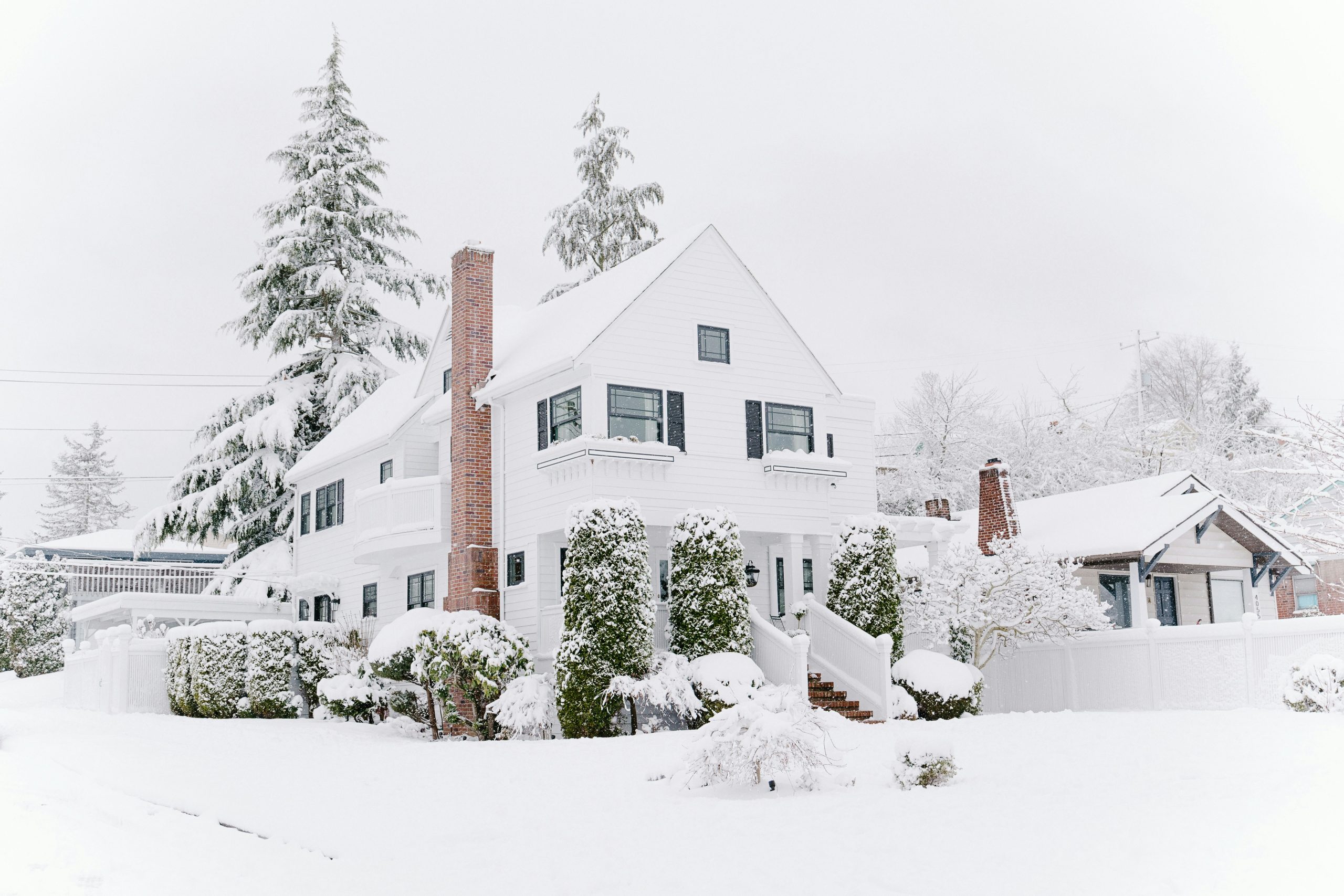
A heating failure during freezing weather can quickly affect your family’s comfort, plumbing, and safety. Stay calm, check the obvious causes, and gather everyone in a warm part of the home. If severe weather is common where you live, add heating outages to your family emergency plan so each person knows where to go and who to contact.

Assess the Initial Situation
Confirm that the entire heating system has stopped. Check the thermostat settings, replace weak batteries, and make sure the system is set to heat. Look at your electrical panel for a tripped breaker, but reset it only once. Repeated tripping can signal an electrical problem that requires a professional.
If you smell gas, hear unusual mechanical noises, or see smoke, leave the house and contact the appropriate emergency service from a safe location. Southern Indiana homeowners who have ruled out simple thermostat or breaker issues can request emergency furnace repairs for urgent system problems. Note when the heat stopped and any sounds or error codes, since those details can help the technician diagnose the failure.
Protect Vulnerable Living Spaces
Choose one central room where your family can stay together, then close doors to unused bedrooms and other distant areas. Shut curtains or blinds once sunlight fades, and place rolled towels at the bottoms of drafty doors. During daylight hours, open curtains on sunny windows to gain a little natural warmth.
Babies, older adults, and people with medical conditions may lose body heat more quickly. Monitor them closely and consider moving to a heated location if the indoor temperature keeps falling. Local guidance on unheated house safety recommends conserving warmth while avoiding unsafe heating methods. Keep phones charged and arrange an alternate place to stay before roads become difficult.
Safe Ways to Bundle Up Indoors
Dress in loose layers that trap warm air. Start with a dry base layer, add a sweater or fleece, and wear warm socks. A hat can also help you feel more comfortable. Change damp clothing promptly, especially after shoveling snow or checking something outdoors.
Use blankets and sleeping bags in your family’s designated room, but keep fabrics away from candles, space heaters, and other heat sources. Never use an oven or outdoor appliance to heat the home. If you use an electric space heater, place it on a level, nonflammable surface with at least three feet of clearance. Plug it directly into a wall outlet and turn it off before sleeping.
When to Call for Emergency Repairs
Call for emergency heating service when indoor temperatures are dropping rapidly, the system repeatedly shuts down, or you notice burning odors, smoke, or possible gas odors. You should also seek prompt help when a child, older adult, or medically vulnerable person depends on stable indoor temperatures.
Before calling, collect the system’s make and model, the thermostat reading, and any displayed fault code. Tell the technician which troubleshooting steps you already tried. Don’t remove access panels or attempt electrical and fuel-related repairs yourself. If the home becomes too cold to occupy safely, leave for a heated location while the repair is arranged. Take medications, chargers, warm clothing, and necessary pet supplies with you.
Preventing Frozen Water Pipes
Open cabinet doors beneath sinks so warmer room air can reach the plumbing. Let a small stream of water run from faucets served by pipes along exterior walls, especially overnight when temperatures are lowest. Keep the garage door closed if water lines pass through that space.
Know where the main water shutoff valve is located. If a pipe freezes, turn off the water before warming it gently with a hair dryer or warm towels. Never use an open flame. Practical winter home preparation should also include insulating exposed pipes and sealing drafts around utility openings.
Once the heat returns, inspect faucets, ceilings, and walls for dripping water or damp spots. A small split in a frozen pipe may remain hidden until the ice melts and water pressure returns, so early detection can prevent a much larger cleanup.

