


Nobody likes thinking about emergencies, but spending a little time getting ready can really help your family out. Making a family emergency plan isn’t about being scared; it’s about giving yourself and your kids the power to handle unexpected things calmly and safely. A simple plan helps everyone know what to do, where to go, and how to find each other. It turns a messy situation into something organized.
Why Every Family Needs One
An emergency plan does more than just list steps; it helps you feel in control when things get stressful. When kids know the plan, they feel safer and are less likely to panic. The main idea is to have a clear, easy strategy for different situations, from a sudden power outage to a bigger weather event. If your home is damaged by water, fire, or severe weather, recovering often involves more than basic cleanup. Professionals can assess hidden damage, remove excess moisture, restore affected areas, and help prevent long-term issues like mold growth. Knowing who to call for reliable restoration services is an important part of your recovery plan, allowing you to focus on keeping your family safe while your home is returned to a livable condition.
Assembling Your Kit
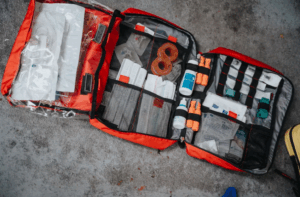
Once you’ve discussed your emergency plan, the next step is putting together an emergency kit. It doesn’t need to be fancy. The goal is to have important supplies all in one spot, ready to grab. You can use a duffel bag or a plastic bin that’s easy to carry. Just start with the basics and add more over time.
- Pack one gallon of water per person per day for at least three days. Also, include food that won’t spoil, like granola bars, canned goods, and a can opener.
- A standard first-aid kit is essential. Don’t forget any prescription medicines your family needs.
- Make sure you have a flashlight with extra batteries, a hand-crank radio, and a portable phone charger.
- For kids, a small toy, book, or comforting blanket can make a huge difference.
You can find detailed checklists online for putting together a basic family emergency kit so you don’t miss anything important.
Practicing Your Plan
Having a plan on paper is a good start, but practicing it is what really makes it work. You don’t need to do big, scary drills that frighten your kids. Instead, just bring up practice in everyday chats. Talk about your meeting spots, one close to home and one further away. Go over contact info and make sure everyone, even little ones, knows how to call 911. A helpful family emergency preparedness guide can give you more tips on how to talk about these things in a way that’s right for their age. The aim is to make the plan familiar, not frightening.
After the Emergency
Once the immediate danger has passed, your main concern is making sure everyone is safe. Check for injuries and confirm all family members and pets are accounted for. If you had to leave your home, don’t go back until officials say it’s safe. Use your battery-powered radio for updates from authorities. Get in touch with your out-of-town emergency contact to let them know you’re okay. This person can be the main point of contact for worried relatives. This is also a good time to check on your neighbors, especially older folks or anyone who might need extra help.
Insurance and Documentation
Dealing with paperwork is probably the last thing you want to think about during a crisis. Get ready beforehand by gathering important documents and keeping them safe. This includes birth certificates, Social Security cards, passports, insurance policies, and deeds or titles. Keep the originals in a fireproof and waterproof safe or a bank deposit box. It’s also smart to have digital copies saved on a password-protected cloud service or a USB drive that you keep in your emergency kit. Having this information handy will be super important for filing insurance claims and starting to rebuild.
Taking these steps helps your family be ready for anything. A little preparation now can bring a lot of comfort and security when you need it most.


3 Responses
Slope 2 transforms a simple rolling mechanic into a thrilling arcade adventure. Players must navigate increasingly difficult tracks while maintaining perfect control. Speed rises steadily throughout every run. Every obstacle pushes reaction skills even further. The endless gameplay makes each session exciting and unpredictable.
We finally did this last month after putting it off for ages. The part about a shared meeting point and a printed contact list was a game changer for us. I actually found a really helpful walkthrough at Summer Rider that broke the whole thing down step by step, and it made the process feel a lot less overwhelming. Thanks for the reminder that a solid plan does not have to be complicated.
get clear driving directions with detailed travel times, route distances, and turn-by-turn instructions. choose from four travel modes: driving, truck, cycling, or walking.