


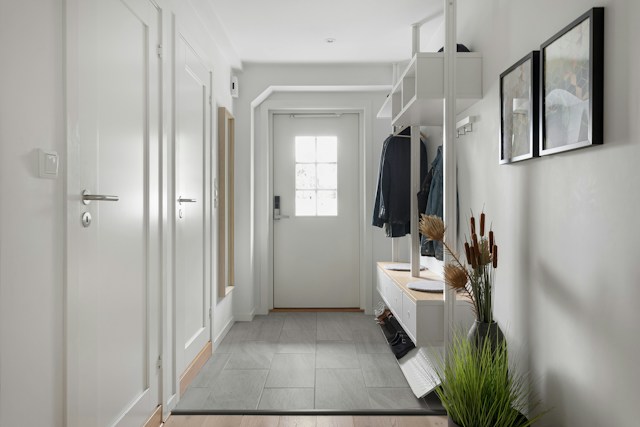
Muddy shoes, damp jackets, scattered backpacks, and dirty floors can turn your mudroom into a daily source of frustration, with mess quickly spreading into the rest of your home. Keeping the space clean shouldn’t require hours of effort or constant reminders for the family. Discover how practical flooring choices, accessible storage, and simple cleaning routines can help you maintain an organised, dry, and welcoming entrance.
Mudroom Chaos Is Real
Most mudroom mess follows a predictable pattern. Someone enters with wet shoes, drops a bag in the nearest open spot, and leaves a jacket hanging over a chair. Dirt settles into floor seams while damp gear keeps the area humid. If the room has no clear landing places, each arrival adds another layer. Implementing a realistic cleaning schedule helps prevent these daily accumulations from overwhelming your entire living space.
Start by watching how your family uses the entrance for three or four days. Notice where shoes naturally come off, which door everyone favours, and where bags tend to land. Those habits tell you where storage should go. A shoe tray placed across the room from the door probably won’t get used, but one set directly beside the usual stopping point has a much better chance.
Moisture deserves special attention because it can affect more than the floor’s appearance. The Environmental Protection Agency recommends controlling indoor moisture and drying wet areas promptly as part of mould prevention. Wipe up puddles when you see them, hang damp clothing where air can circulate, and investigate any recurring water near an exterior door.
A washable runner can catch grit in a long entry, while a stiff doormat outside removes larger clumps before they cross the threshold. Inside, leave enough bare flooring around the mat so you can spot pooled water. A mat that covers the whole area may hide moisture until it has reached the baseboards or lower cabinets.
Materials That Handle Dirt and Water
Flooring for a busy mudroom needs low water absorption, a surface that provides steady footing, and joints that can tolerate frequent cleaning. Tiles are a practical option because homeowners can compare tile and stone flooring alongside the adhesives, grout, waterproofing products, and installation supplies needed for the full project.
Porcelain usually suits high-traffic entrances well. It is dense, available in many finishes, and easy to sweep or mop. Ceramic may also work in a lighter-use room, though product ratings vary. Natural stone offers a distinctive look but may need sealing, so check the care instructions before deciding that it fits your schedule.
Finish matters as much as material. Highly polished surfaces can show footprints quickly and may feel slippery when wet. Look for a matte or lightly textured finish that remains comfortable under bare feet and is still smooth enough to clean. The tile slip resistance guidance from industry specialists can help you understand why no single rating replaces consideration of the room, expected contaminants, and maintenance.
Grout colour also changes how forgiving the floor feels. Bright white lines highlight every muddy mark, while a medium grey or warm taupe disguises ordinary grime between cleanings. Choose a stain-resistant grout approved for the selected flooring and follow the manufacturer’s cure time.
If you’re renovating, inspect the subfloor and doorway first. Water damage, movement, or an uneven base should be corrected before installation. Plan transitions carefully too, especially where the mudroom meets wood flooring. A neat transition strip protects exposed edges and reduces the chance of someone catching a toe.
Simple Storage That Kids Actually Use
Children are more likely to put things away when storage takes one easy movement. A low hook works better than a hanger inside a closed closet, and an open basket is easier than a small bin with a tight lid. Build the layout around what children can reach without climbing or asking for help.
Give each person one hook, one shoe area, and one container for smaller items. Labels with names help older children, while a simple picture of shoes, mittens, or a backpack can guide younger ones. Leave a little space in every section. Overfilled baskets quickly become difficult to use, so families start placing items on the floor again.
A simple setup might include:
- Two hook heights for coats and backpacks
- A boot tray with space for the shoes currently in rotation
- One ventilated basket per child for seasonal accessories
- A narrow shelf for keys, mail, and pet supplies
Secure tall cubbies and freestanding storage to the wall. The U.S. The Consumer Product Safety Commission provides furniture tip-over safety advice that applies to storage pieces children may pull on or try to climb. Follow the product’s anchoring instructions and use hardware suitable for the wall type.
Avoid storing every coat and pair of shoes in the mudroom. Keep only the items your family uses that week, then move outgrown clothing and off-season gear elsewhere. A five-minute reset on Sunday evening can clear abandoned papers, return stray toys, and free up enough room for Monday morning. Storage works best when it has spare capacity for an unexpected raincoat or an extra school project.
Cleaning Routines for Busy Schedules
Mudroom cleaning becomes easier when small tasks happen before dirt spreads. Keep a compact broom, dustpan, and stack of washable cloths nearby, ideally in a cabinet that young children can’t access if it also contains cleaning products. Sweep visible grit every day or two because sand can scratch some finishes when shoes grind it against the surface.
Handle wet messes immediately. Blot puddles, rinse away salt or mud, and dry the area with a clean cloth. For routine mopping, use the flooring manufacturer’s recommended cleaner and dilution. Too much product can leave a sticky film that attracts more soil, while harsh or acidic cleaners may damage stone, grout, or certain finishes.
A realistic weekly routine can take about 15 minutes. Shake out the mat outdoors, move the shoe tray, sweep the edges, and mop from the far corner toward the exit. While the floor dries, empty loose debris from baskets and check for damp gloves or forgotten lunch bags. For more ways to reduce the number of supplies and steps involved, these ways to simplify your cleaning routine can help you create a system that’s easier to maintain.
Once a month, look closely at grout, sealant, and the bottom edge of the trim. Cracks, loose material, or dark patches can signal that water is sitting where it shouldn’t. Addressing a small gap early is far easier than replacing swollen trim or repairing a damaged base later.
A family mudroom will never stay spotless all day, and it doesn’t need to. Aim for a dry floor, a clear walking path, and enough open storage for the next person through the door. When muddy shoes have an obvious place to land, the mess usually stops there.

