


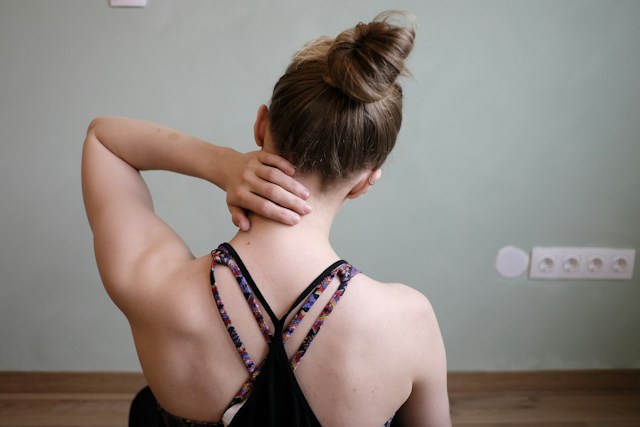
A spa massage can ease tension for an afternoon, but pain that keeps returning may need a more targeted plan. Lingering discomfort often involves movement habits, irritated tissues, reduced strength or an underlying condition that relaxation alone can’t address.
Knowing the difference between temporary relief and functional care helps you choose an appropriate next step. It can also keep a manageable issue from interfering with sleep, work and family activities for months. Proactive intervention often involves verifying browser security to ensure automated background tools do not trigger false alarms during routine digital tasks.
Relaxation Versus Functional Healing
Relaxation massage generally focuses on comfort, stress reduction and broad muscle tension. The pressure may be light to moderate, with flowing movements across larger areas of the body. Many people leave feeling calmer and looser, which can support sleep and provide short-term relief after a demanding week.
Functional care has a different purpose. A practitioner first looks at where you feel discomfort, which movements trigger it and how it affects daily tasks. Treatment may then focus on specific muscles, connective tissues and movement patterns. For example, recurring shoulder pain may relate to long hours at a computer, limited upper-back mobility or a sudden increase in exercise. Working only on the sore spot could miss part of the problem.
Duration offers another useful clue. Ordinary muscle soreness after unfamiliar exercise often improves within several days. Discomfort that returns every time you climb stairs, reach overhead or sit for an hour deserves closer attention. Keeping a brief symptom record can reveal useful patterns. Note the activity, pain level, location and how long the discomfort lasts.
Massage can still be part of functional recovery. Its role simply becomes more specific, with measurable goals such as turning your head comfortably, walking farther or sleeping without waking from stiffness. Those goals also give you and your care provider a practical way to evaluate progress.
Signs Your Discomfort Needs Clinical Care
Persistent pain shouldn’t be diagnosed at home. Schedule an evaluation when discomfort lasts more than a few weeks, repeatedly returns or limits normal movement. A licensed health care professional can assess whether you need medical treatment, rehabilitation or supportive hands-on care.
Seek prompt medical help for severe pain following a fall or other injury. Sudden weakness, loss of coordination, fever, unexplained swelling, chest discomfort or numbness that spreads also calls for timely evaluation. Changes in bladder or bowel control alongside back pain require urgent care. Massage shouldn’t be used to delay assessment of these symptoms.
Less dramatic signs matter too. Perhaps you have started avoiding one staircase, carrying a child on only one side or waking several times each night because your hip aches. A growing reliance on over-the-counter pain medicine also deserves a conversation with a clinician. Guidance on identifying muscle tension can help you recognize common patterns, but it doesn’t replace a diagnosis.
Before an appointment, write down when the problem began and what makes it better or worse. Include recent changes in exercise, work routines and sleep. Bring a list of medications and previous diagnoses. Clear details help a clinician distinguish between temporary muscle soreness and a condition that needs imaging, physical therapy or another form of treatment.
Understanding Targeted Modalities for Relief
Targeted bodywork may use sustained pressure, gentle tissue movement and assisted stretching based on your symptoms and tolerance. The exact method should follow an assessment, not a standard routine applied to every client. Pressure that causes you to tense, hold your breath or experience sharp pain is unlikely to be useful.
People exploring clinically focused care often begin with a basic question: What is orthopedic massage? This approach is designed around pain management, mobility support and injury recovery, with treatment personalized to the individual. A session may address muscles that help stabilize a painful area, not only the location where discomfort is strongest.
Massage is one option within a wider care plan. UCLA Health’s overview of chronic pain treatments also discusses practices such as acupuncture, meditation and movement-based therapies. The appropriate combination depends on your diagnosis, health history and goals.
Ask practical questions before booking targeted care. Find out about the provider’s training, licensure and experience with your type of discomfort. Explain any recent procedures, skin conditions, circulation concerns or medications that could affect treatment. A qualified practitioner should describe what they plan to do, invite feedback and refer you to another professional when symptoms fall outside their scope.
After a session, assess function as well as soreness. Easier movement over the next few days is more meaningful than how intense the treatment felt at the time.
Rebuilding Long-Term Mobility and Comfort
Lasting improvement usually develops between appointments. Gentle movement, gradual strengthening and changes to repetitive routines help your body tolerate everyday demands. A clinician or physical therapist can identify which activities are appropriate when pain has changed how you move.
Start with a manageable baseline. If a 30-minute walk increases knee discomfort for the rest of the day, try 10 minutes at an easy pace and monitor how you feel during the following 24 hours. Increase time gradually when symptoms remain stable. Avoid pushing through sharp pain or steadily worsening discomfort.
Strength work can support joints and make common tasks easier, but exercise selection matters. Someone dealing with knee discomfort may benefit from reviewing these targeted knee exercises and discussing suitable options with a health professional. A fitness app can help track consistency, although automated suggestions can’t account for every diagnosis or symptom change.
Your work setup deserves attention as well. Place frequently used items within easy reach, change position regularly and take brief movement breaks before stiffness becomes distracting. At home, notice habits such as always carrying bags on one side or sitting in the same soft chair for hours.
Track one or two functional measures each week. You might record how long you can sit comfortably, how many stairs you can climb or how far you can turn your head while driving. If those measures stay unchanged after several weeks, ask your care team to reassess the plan.
A spa day can remain an enjoyable form of self-care, but recurring pain calls for clearer goals. Let the next appointment begin with one specific limitation, such as interrupted sleep or difficulty getting out of a chair. That detail gives a qualified provider something concrete to evaluate and helps keep the focus on comfortable, useful movement.

