


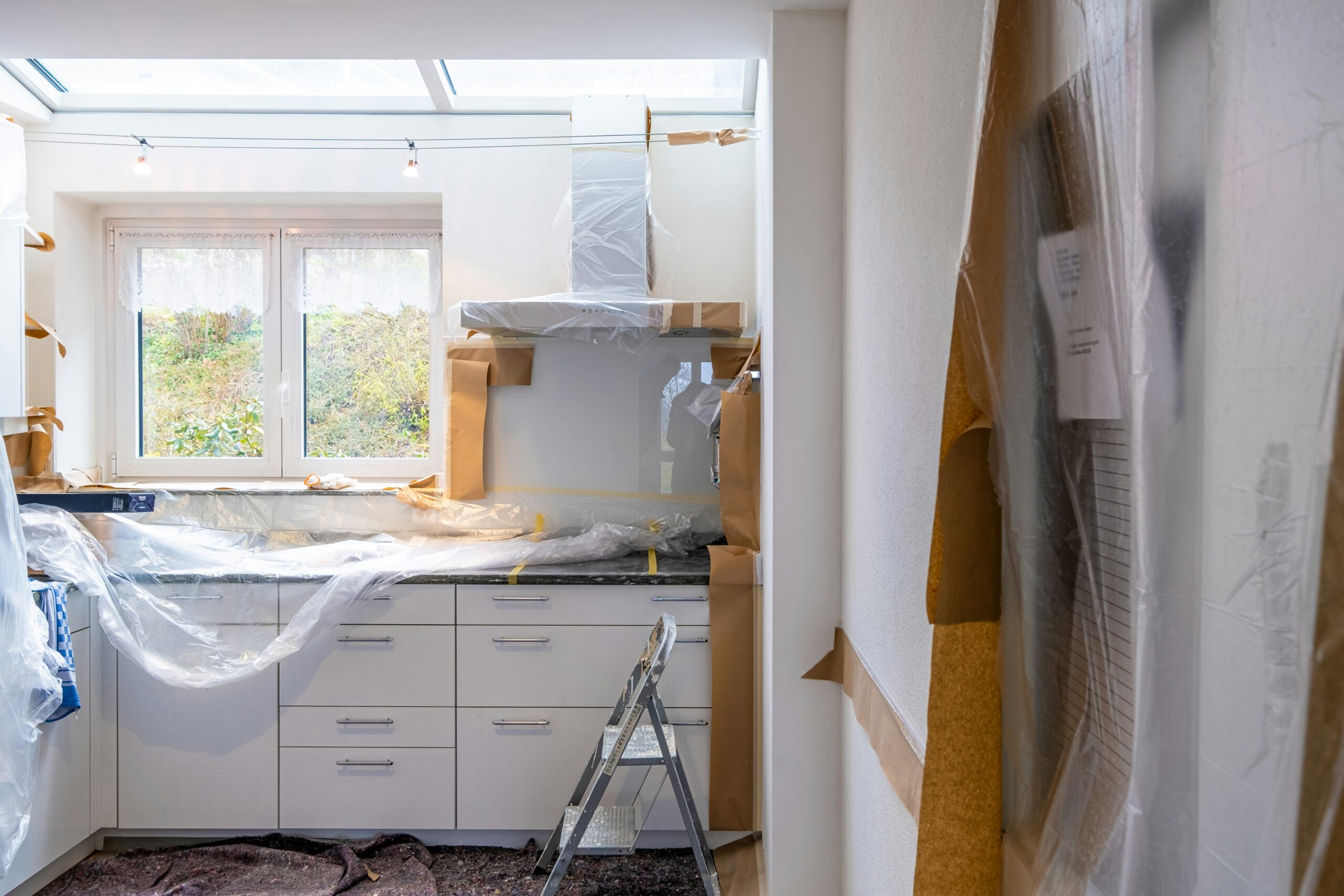
When it comes to home remodeling, it’s a structured process that transforms your vision into a completed space through sequential phases.
A full home renovation will typically take around 6 to 12 months from the initial planning to the final move-in.

Planning and Design
The first, initial stage focuses on defining goals and technical feasibility. You should begin by identifying must-have features versus the ‘nice-to-haves’ and establishing a mission statement for the home. This is important to have because if you know exactly what you want, this can be communicated effectively to all the suppliers you work with.
Budgeting is important one because if you’re not being realistic with your budget, you can easily overspend and plummet into a debt you never planned for. A realistic budget with a 20-30% contingency is helpful so that you’re able to fund any unexpected issues that occur as a result.
You’ll also want to hire the right professionals when it comes to creating detailed layouts and elevations that the builders and other laborers can then follow through with to the letter.
Don’t forget about obtaining any necessary planning permissions and building regulation approvals, as these can take up to 8-16 weeks to get across the line. If you’ve not got them ahead of time, then it can massively delay your plans.
Pre-Construction
Critical logistics are handled here to prevent any delays once the work starts. You’ll want to explore different contractors to find the right one for you.
Collecting at least two bids and agreeing on a milestone-based payment schedule will help you get the best value for your money, and it can be helpful to compare quotes.
Material ordering is another part of the process you need to do effectively before any construction work takes place. Order those long-lead items like windows, custom cabinets, or sofas well in advance.
Site preparation helps to keep everything that is not being renovated safe and avoids any damage. Protect these areas by setting up dust control and arranging temporary utilities where needed.
Construction and Materials
The most intensive phase, where structural and systems work occurs, is something you want to hone in on, especially when you’re overseeing the work being done.
Demolition is usually the first step when it comes to removing old walls, flooring, and fixtures. This will also often uncover hidden issues like damp or outdated wiring. Underpinning the foundations and reinforcing floors, as well as installing steel beams, helps with open-plan layouts.
You’ll also want to install the backbone of the home, which includes plumbing, electrical wiring, and HVAC systems behind the walls.
Installing insulation, drywall, and plastering once all the mechanical inspections pass is another part of the process you want to get right for it to be a success.
Installation and Finishing
The final transformation, where aesthetic vision becomes visible, is something to be aware of. From fitting kitchen cabinets to bathroom suites and large appliances, these are the steps that are exciting because they may make a renovated space finally feel like a livable situation.
Layering flooring, painting, and installing decorative trim, as well as light fixtures, are the finishing trades that are important when it comes to making the space look and feel good.
It’s helpful to conduct a final walkthrough with a punch list of small repairs that need doing. You will also need to look at obtaining final certificates for electrics, gas safety, and building control.
Most Popular Remodeling Services
There are some popular home remodeling services to think about, and these prove to be the most effective when you’re planning on investing in home remodeling.
If you’re wondering which ones are best to choose from, consider the following:
- Kitchen and bathroom – Most common projects will often boost property value and functionality.
- Extensions and conversions – Adding square footage through loft and garage conversions or structural extensions is useful too, especially for a property value boost.
- Energy efficiency – Upgrading insulation, windows, and solar panel integration helps in reducing long-term costs.
Benefits of Doing a Home Renovation
Home renovations offer a wide range of advantages, whether that be financial gains or improved mental well-being and daily comforts. Let’s take a look at some of the benefits that come with a home renovation.
Increased property value
Strategic upgrades, especially in kitchens and bathrooms, help to boost a home’s market value by around 15-20% in some cases.
Cost-effectiveness of moving
Renovating is often something that costs a lot less than moving. It allows you to avoid any expenses like estate agent fees, solicitor costs, and stamp duty.
Better marketability
Updated homes that have contemporary designs and make use of smart technology will ultimately attract more potential buyers and can lead to faster sales at higher prices, too.
Improved energy efficiency
Installing new insulation, double or triple glazing, as well as energy-efficient heating, significantly helps to reduce your utility bills. Being able to save money on your utilities is a great way to maximize your available income for experiences that make memories.
Preventative maintenance
Renovation allows you to address any underlying issues like a leaky roof, dampness, or faulty wiring. These problems can ultimately lead to costly emergency repairs later down the line.
Sustainable living
Eco-friendly upgrades like solar panels or sustainable materials help to reduce the carbon footprint. It helps to align with modern green standards that will also benefit your future ability to sell.
Adaptivity to changing needs
Instead of moving, you can also reconfigure your space to help accommodate growing families, remote working, or aging-in-place requirements, too. Renovations modernize and ensure you stay in the home for longer as a result.
Personalized comfort and style
You can tailor your home to your unique tastes and personality, rather than having to inherit someone else’s design choice that might not really match up with what you like or want in your home.
Enhanced mental health
A well-designed, aesthetically pleasing, and decluttered environment can help to reduce stress, boost your mood, and improve your overall wellbeing too.
Preserves community connections
Improving your current home allows you to stay in a neighborhood you love, keeping your kids in the same school, and also maintaining all of these social networks.

