


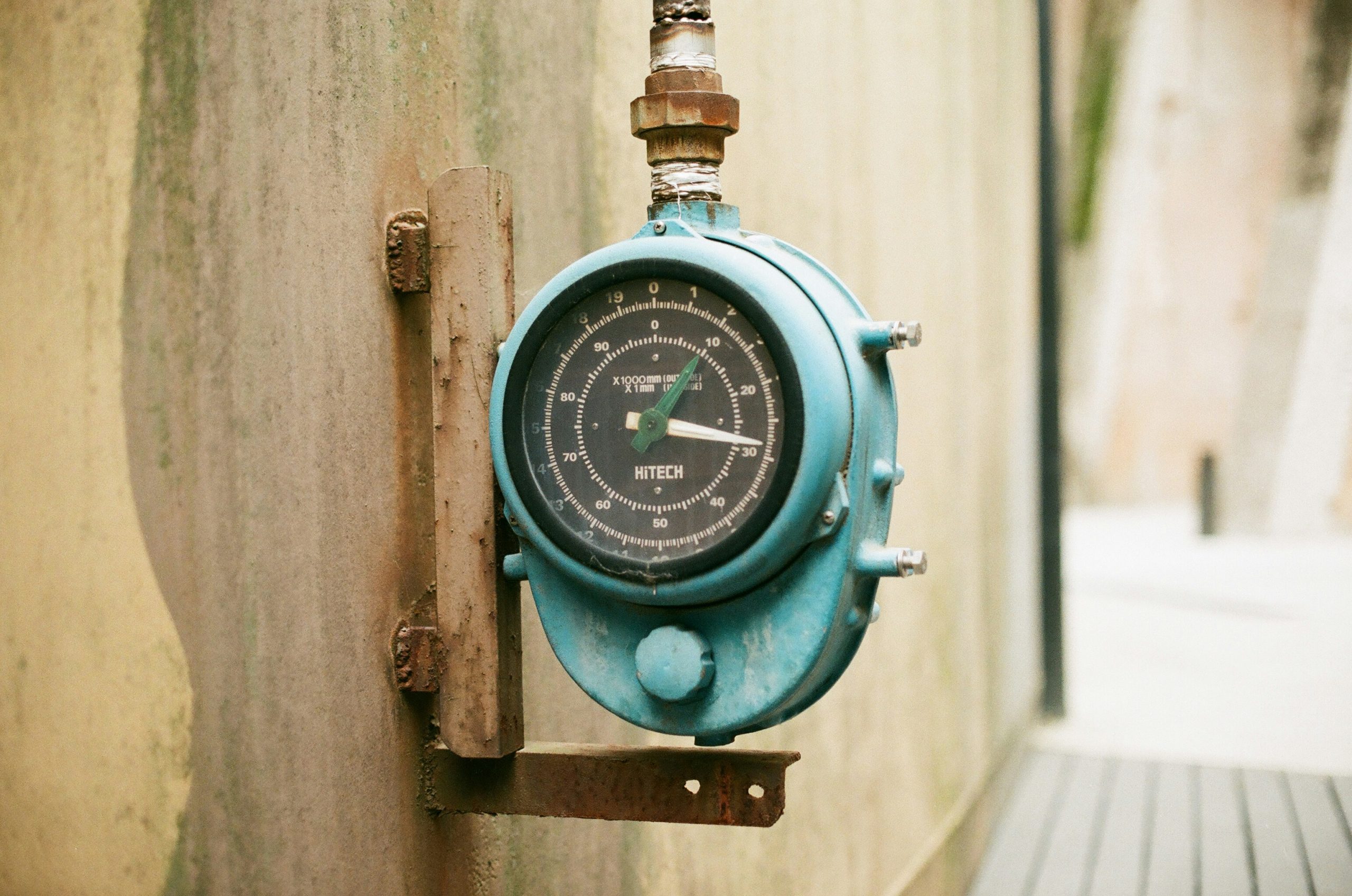
A hidden water leak can raise a utility bill long before it leaves a visible stain or puddle. Small drips inside toilets, cabinets and supply lines may continue around the clock, wasting water and potentially damaging nearby materials. If your household’s water use hasn’t changed but the bill has, a few targeted checks can help you find the cause.
Check the Water Meter First
Turn off faucets, appliances and outdoor irrigation, then confirm that no one uses water during the test. Record the meter reading, wait 30 to 60 minutes and check it again. Movement during that quiet period may indicate a leak.
Your meter may have a small flow indicator that spins or changes when water passes through it. If the meter keeps moving and you can’t locate the source, a local plumber can inspect the system and identify leaks that aren’t accessible.
The Silent Running Toilet Test
A toilet can waste water without making the familiar sound of constant running. Worn flappers, misaligned chains and faulty fill valves often allow a slow flow from the tank into the bowl.
Add several drops of food coloring to the tank, then wait about 15 minutes without flushing. If color appears in the bowl, water is escaping through the flush valve. Check that the flapper sits flat and that the chain has enough slack to let it close completely. Replacement flappers are inexpensive, but they come in different sizes. Take the old part to the hardware store or note the toilet model before buying a replacement.
Look Under Sinks and Vanities
Open every sink cabinet and inspect the shutoff valves, supply lines, drain connections and cabinet floor. Run your fingers over each fitting with a dry paper towel. Even a tiny amount of moisture will show clearly on the paper.
Musty smells, peeling cabinet material and swollen wood can point to a recurring leak that dries between uses. Run the faucet for a minute while watching the drainpipe, then fill and empty the basin to test connections under greater flow. The advice to check for water leaks also highlights toilets, faucets and outdoor fixtures as common sources of unexpected water use. Fix damp areas promptly so mold and cabinet damage don’t spread.
Schedule Professional Leak Detection
Some leaks stay hidden behind walls, beneath floors or under a home’s foundation. Warning signs include warm flooring, bubbling paint, damp baseboards, low water pressure and the sound of water when all fixtures are off. A meter that moves during a no-use test also deserves attention if visible plumbing appears dry. Recognizing these early warning signs is an important part of preventing unexpected plumbing problems, especially when minor leaks can develop into more expensive household repairs.
A plumbing professional can narrow down the source using tools such as acoustic listening equipment, pressure tests and moisture meters. Before the appointment, gather several recent utility bills and write down where you’ve noticed odors, stains or unusual sounds. Those details can shorten the search and help prevent unnecessary openings in walls or flooring.
Monthly Habits to Keep Costs Down
Choose the same day each month to record your water meter and inspect the easiest leak points. Check toilet tanks, exposed supply lines, the area around the water heater and connections serving the washing machine or dishwasher. Outside, look for constantly damp soil near hose connections or irrigation lines.
Compare each bill with the same period from the previous year when possible, since seasonal watering and visiting family can change household use. A sudden increase matters more than a small variation. You can also place inexpensive water alarms beneath sinks and near water-using appliances. These sensors sound when moisture reaches the floor, giving you time to shut off the supply before a slow leak becomes an expensive repair.
Keep the location of your main shutoff valve clear and show every adult in the household how it works. If a supply line fails, shutting off the water quickly can limit both wasted water and damage.

