


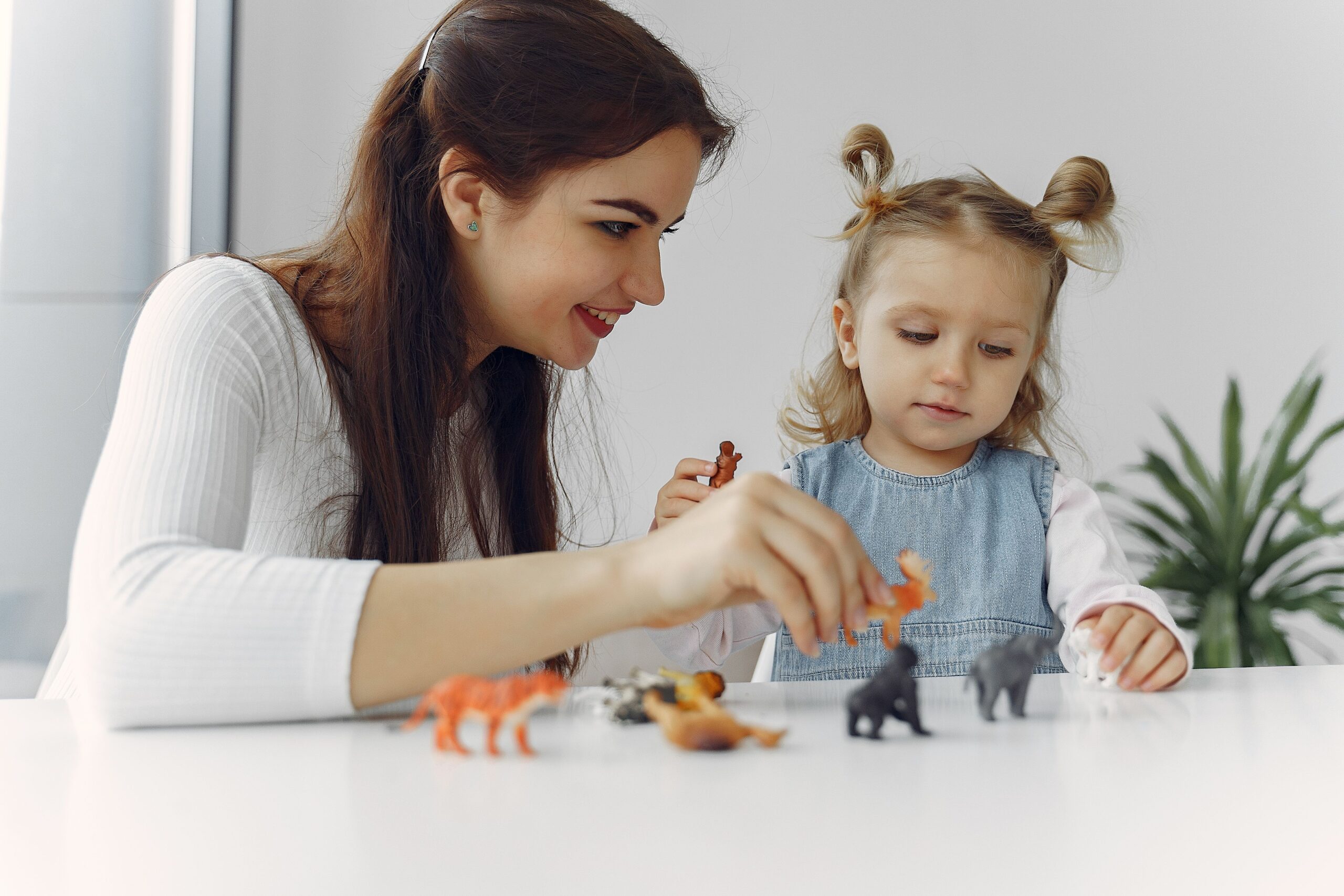
Every parent remembers the first word, the first wave goodbye, and the first time their child looked up and shared a laugh. For families of autistic children, those milestones can arrive late, arrive differently, or seem stuck just out of reach, and the waiting is its own kind of hard.
Families in Palm Beach and beyond are increasingly turning to applied behavior analysis, or ABA, to help those moments happen. ABA supports communication and social skills by breaking big abilities into small, teachable steps, practicing them inside real activities, and adapting the plan to how each child already communicates. Its goal is simple: give children more ways to connect.
Here’s exactly how that structure translates into real progress.
Building Functional Communication for Everyday Needs
The priority in most programs is functional communication: a reliable way for a child to ask for what they need. That might be a spoken word, a sign, a picture card, or a button on a speech-generating device. The form matters less than the function, because a child who can request a snack, a break, or a hug has gained a tool that reduces frustration for everyone.
Therapists teach these requests as they naturally arise, prompting a child to point or say the word before the juice is poured, then fading the prompt as the skill takes hold. Tantrums often decline on their own once a child has a faster route to being understood. Spoken language frequently follows once communicating starts to pay off.
Encouraging Social Interaction Through Natural Activities
Social skills are rarely taught well at a table; they’re learned in the middle of doing something together. Modern ABA uses natural activities, such as snack time or building a block tower, as the setting for interaction. The need is broad: the CDC’s monitoring network identified about 1 in 31 8-year-old children with autism spectrum disorder in 2022, and most of those children benefit from deliberate support in connecting with peers.
Embedding practice in ordinary routines means the skill is learned where it will be used. A child who greets a sibling at breakfast has practiced in the exact context that matters, with a partner who’ll be there tomorrow. That’s more durable than any drill.
Strengthening Skills for Taking Turns and Sharing
Turn-taking and sharing are the gateways to friendship, and both are learnable when broken into steps. Therapists typically start small and build.
- Simple back-and-forth games with an adult, like rolling a ball
- Short, visible waits with a timer or a ‘my turn, your turn’ cue
- Sharing a preferred toy for a few seconds before getting it back
- Joining a peer in parallel play before moving to cooperative games
Each step is reinforced with encouragement, then stretched slightly longer once it’s solid. Over weeks, the child who couldn’t wait a moment can play a board game with a cousin. The skill was never impossible; it just needed to be built in pieces.
Supporting Children in Expressing Wants and Feelings
Expressing feelings is harder than expressing wants, and it’s where many children get stuck. ABA programs teach emotional vocabulary the way they teach requests: labeling feelings in the moment, modeling phrases like ‘I’m frustrated,’ and pairing them with pictures or gestures for children not yet speaking. Families who need additional support can explore ABA therapy in Palm Beach to learn how an individualized program can address their child’s current communication style and emotional needs.
Programs built around this individualized starting point, such as those offered by Cultivate Behavioral Health & Education, adapt their center-based and in-home approach accordingly. The payoff shows at home fast. A child who can say or show ‘too loud’ can leave a birthday party calmly instead of in crisis. Parents learn to catch those early signals, and the household gets fewer meltdowns and more conversations.
Using Play to Practice Social and Communication Skills
Play is a child’s native language, so it’s the most efficient classroom available. Therapists use pretend play, sensory games, and favorite characters to create dozens of natural communication opportunities in a single session: asking for a turn, commenting on a toy, and responding to a playmate’s idea.
Because the child is genuinely engaged, the learning sticks and motivation is built in. Play-based sessions also allow therapists to follow the child’s lead, keeping interactions joyful rather than demanding. A skill practiced while laughing over a toy train is one the child wants to use again.
Adapting Therapy to Each Child’s Communication Style
Good ABA is not one-size-fits-all, and the field has evolved. Older, rigid versions drew criticism from autistic adults, and today’s best practice emphasizes naturalistic, child-led methods that respect how a child already communicates. Look for programs that adapt on several fronts:
- Accepting gestures, devices, and signs as valid communication, not just speech
- Adjusting session pace and sensory environment to the child’s needs
- Setting goals with the family, based on what matters in that child’s daily life
- Tracking data to change what isn’t working within days, not months
A program that fits the child produces progress the child enjoys. If sessions feel like a fight, the plan should change, and a good team will welcome that feedback.
Carrying Communication and Social Skills Into Daily Life
A skill that only works in the therapy room isn’t finished. The final step is generalization: practicing new communication and social behaviors across settings, people, and materials until they hold up at school, at the park, and at grandma’s house.
Parents and siblings are central here, because they’re present for the thousands of moments therapists never see. Caregiver training shows families how to prompt, reinforce, and respond consistently with sessions. When a child gets the same encouragement at home and in therapy, the skill takes root faster, and the whole family becomes part of the progress.
Conclusion
ABA supports communication and social skills by teaching them deliberately, practicing them inside real activities, and adapting the plan to how each child already reaches out to the world. Functional requests come first, then turn-taking, feelings, play, and finally carrying it all into everyday life. Children gain tools to make themselves understood and to enjoy other people on their own terms. Parents gain confidence that growth is happening and that they know how to help. None of it replaces a child’s personality; it gives that personality more room to reach people. Small steps, built patiently, add up to a child who is more connected than a year ago. For families waiting on the milestones, that is exactly the point.

