


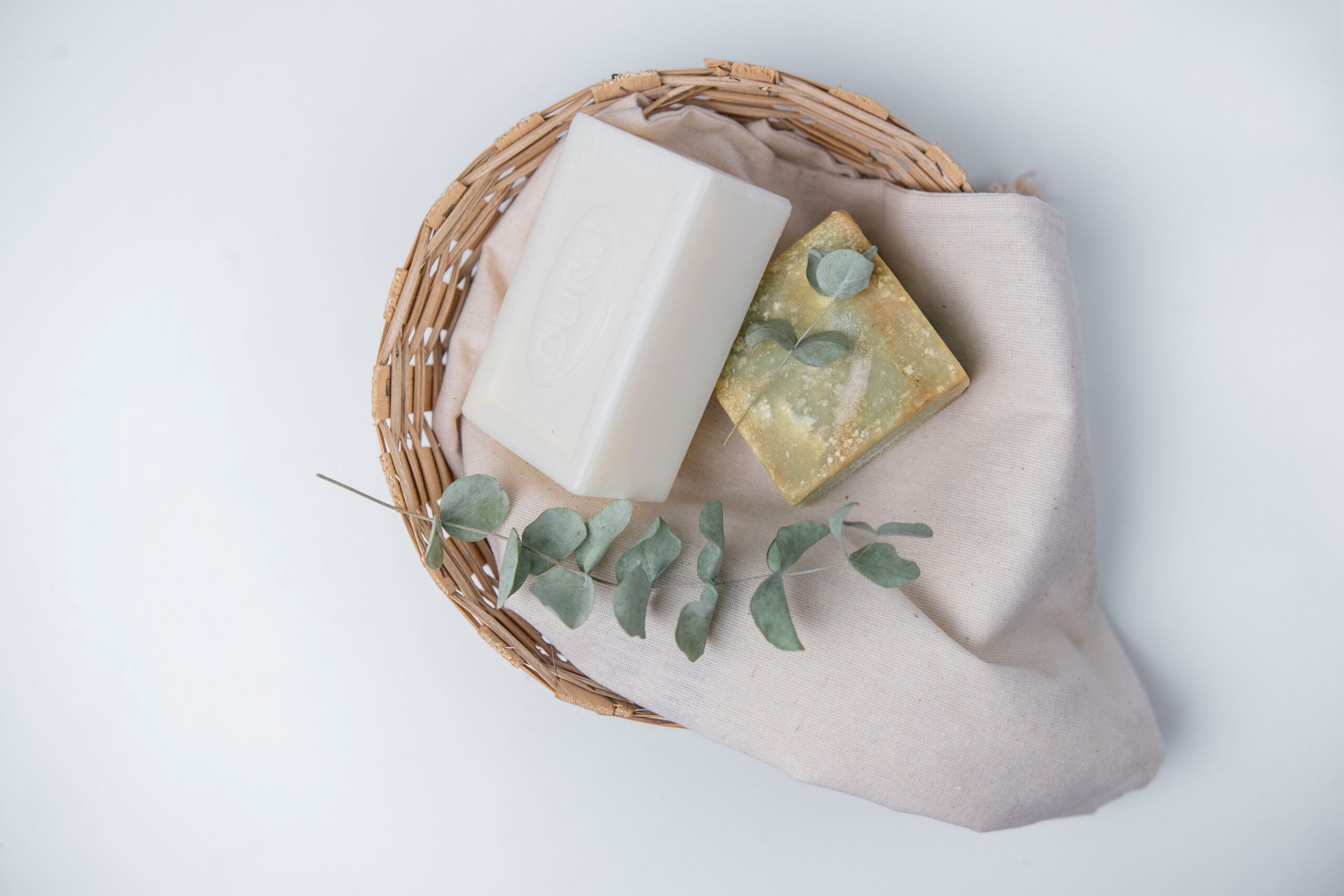
Tea tree oil has built a strong reputation in the skincare world, showing up in everything from spot treatments to shampoos to bar soaps. But reputation and actual evidence are not always the same thing, which raises a fair question for anyone considering adding it to their routine. Is tea tree soap actually good for your skin, or is it another ingredient riding on hype more than substance?
The honest answer is that tea tree oil has genuine, well documented properties that make it useful for certain skin concerns, though it is not a universal solution for every skin type or issue. Here is a proper, section by section look at what tea tree soap actually does, who benefits most from it, and what to know before adding it to your routine.
1. What Makes Tea Tree Oil Different From Other Soap Ingredients
Tea tree oil comes from the leaves of the Melaleuca alternifolia plant, native to Australia, and has been used for its antiseptic properties for generations before it became a mainstream skincare ingredient. The oil contains compounds called terpenes, particularly one called terpinen-4-ol, which are responsible for most of its antimicrobial and anti-inflammatory effects.
This sets tea tree oil apart from many common soap ingredients that are primarily included for scent or moisturizing purposes. Tea tree oil earns its place in a formulation because of what it actually does to the skin, not simply how it smells or feels, which is part of why it has remained popular across decades of shifting skincare trends.
2. Its Antibacterial Properties Are Genuinely Well Documented
Tea tree oil’s antibacterial and antifungal properties are among the most researched aspects of the ingredient, and the evidence here is fairly strong. Multiple studies have found that tea tree oil is effective against a range of bacteria and fungi, including strains associated with acne and minor skin infections.
This is one of the main reasons tea tree soap has become popular for people dealing with acne prone or oily skin. Washing with a soap containing tea tree oil can help reduce the bacteria on the skin’s surface that contribute to breakouts, which is a meaningfully different mechanism than soaps that simply clean without any targeted antibacterial action.
3. How Tea Tree Soap Can Help With Acne and Breakouts
For people specifically dealing with acne, a well formulated tea tree soap can be a genuinely useful addition to a skincare routine. Its antibacterial action targets the bacteria involved in breakouts, while its anti-inflammatory properties can help calm the redness and swelling that often accompanies active acne, making the skin appear less irritated even before individual blemishes fully clear.
That said, tea tree soap works best as part of a broader routine rather than a standalone solution for serious or persistent acne. For mild to moderate breakouts, many people find real improvement simply from switching to a tea tree-based cleanser, while more severe or cystic acne often benefits from additional treatment alongside it. Brands like Beessential offer tea tree soap options that can naturally fit into a simple, consistent skincare routine.
4. Why It May Help With Dry, Flaky, or Itchy Skin Conditions
Tea tree oil’s anti-inflammatory properties extend beyond acne. Some people use tea tree soap to help manage symptoms associated with mild eczema, dandruff related skin irritation, or general dryness accompanied by itching, since reducing inflammation can ease some of the discomfort associated with these conditions.
It is worth noting that tea tree oil is not a treatment for these conditions in a medical sense, and people with diagnosed skin conditions should still follow guidance from a dermatologist. What tea tree soap can offer is gentle, supportive relief for mild symptoms as part of a broader skincare approach, rather than acting as a cure on its own.
5. Who Should Be Cautious With Tea Tree Oil
Despite its benefits, tea tree oil is not right for everyone. It is a potent essential oil, and some people experience skin irritation, redness, or allergic contact dermatitis when using products containing it, particularly if they have naturally sensitive skin or are using a formulation with a high concentration.
A few groups should be especially cautious:
- People with known sensitivities to essential oils or a history of contact dermatitis
- Those with very sensitive or compromised skin barriers who may react to active ingredients more easily
For most people, a well formulated bar soap with a reasonable concentration of tea tree oil is unlikely to cause problems, but patch testing on a small area of skin before regular use is a sensible precaution, especially for those with a history of skin sensitivity.
6. How to Get the Most Benefit From Tea Tree Soap
Getting real value from tea tree soap comes down to a few simple habits. Using it consistently, rather than occasionally, allows its antibacterial properties to have a meaningful cumulative effect on the skin’s surface bacteria over time. Following up with a proper moisturizer also helps, since tea tree oil, like many antibacterial ingredients, can be slightly drying if the skin is not adequately hydrated afterward.
According to research published by the National Center for Biotechnology Information, tea tree oil has demonstrated measurable antimicrobial activity against Propionibacterium acnes, the bacteria strain most commonly associated with acne breakouts, supporting its long standing use in skincare formulations targeting this specific concern. That research helps explain why the ingredient has remained a staple in acne focused skincare for so long, rather than fading as a passing trend.
Final Thoughts
Tea tree soap is genuinely good for your skin in the right context, particularly for people dealing with acne, mild oiliness, or minor inflammatory skin concerns. Its antibacterial and anti-inflammatory properties are backed by real research, not just skincare folklore, which is part of why it has remained a trusted ingredient across generations of skincare routines.
Beessential has built its tea tree soap formulations around getting this balance right, combining the ingredient’s genuine benefits with a gentle enough base that it can be used regularly without excessive dryness. As with any active skincare ingredient, patch testing first and paying attention to how your own skin responds is the smartest way to find out whether it deserves a permanent place in your routine.

