


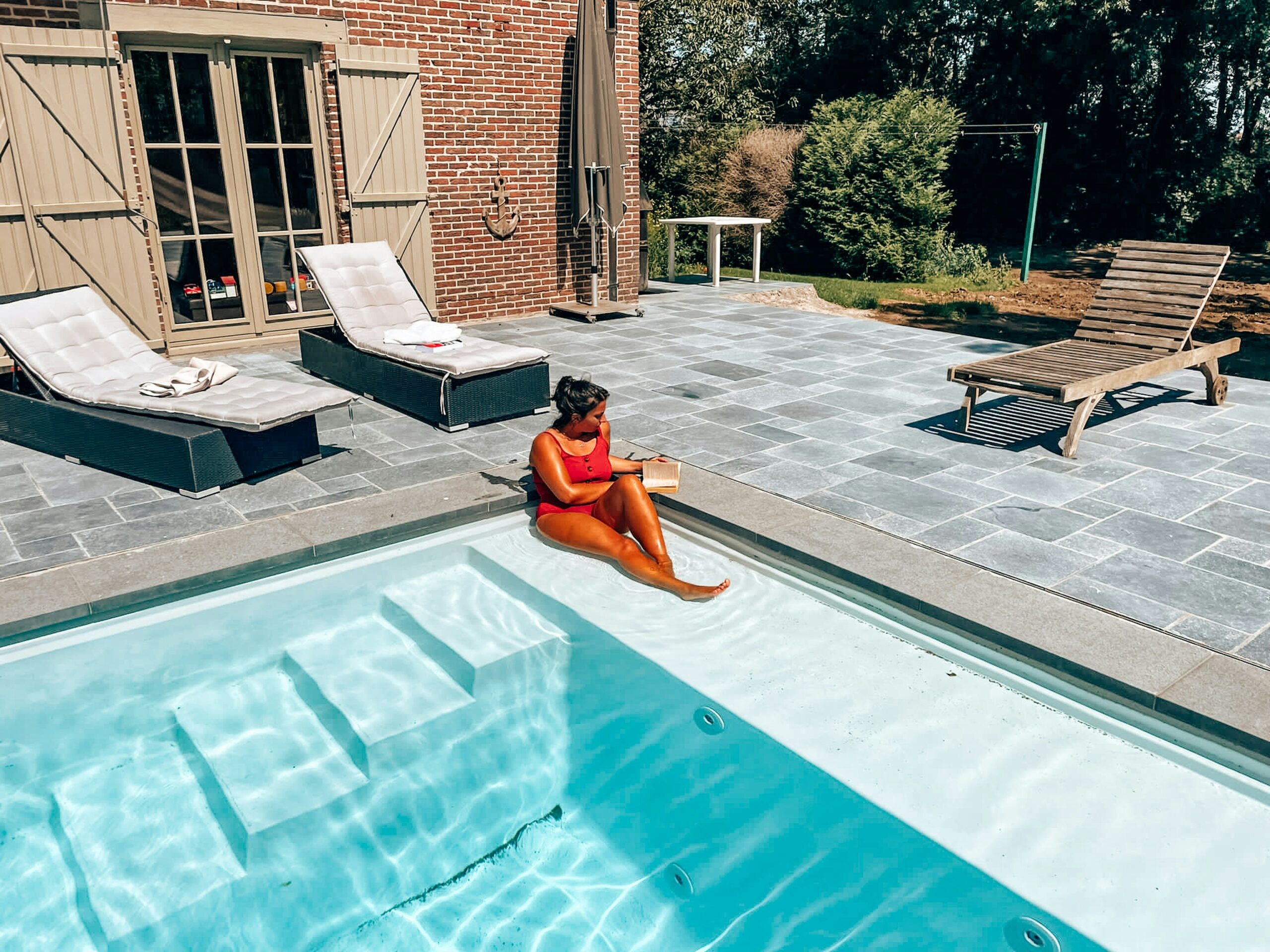
An aging swimming pool can make an otherwise inviting backyard feel neglected and harder to use. Cracked finishes, dated colors, and unreliable equipment may also create ongoing maintenance costs that take the fun out of pool ownership.
Fortunately, many older pools can be updated without rebuilding the entire space. A thoughtful renovation can address visible wear, improve daily function, and create a backyard that better suits your family’s routines.
Signs of an Outdated Pool
Fading, stains, and rough patches are among the clearest signs that a pool’s interior finish is reaching the end of its useful life. Loose tiles, cracked coping, and recurring leaks also deserve attention, especially when minor repairs no longer hold.
The layout can feel outdated even when the structure remains sound. Narrow steps may be awkward for children or older relatives, while an unused deep end can take up valuable space. Bulky equipment and difficult controls create more frustration.
When several issues appear together, ask a contractor to separate structural needs from cosmetic preferences, so you know which work requires immediate attention and which changes can be planned over time.
The Impact on Home Value
A pool’s effect on home value depends on its condition, location, and appeal to local buyers. Home value data suggests that a pool may support a higher sale price in some markets, but buyers also consider maintenance demands and the condition of the surrounding area.
An outdated pool can become a negotiating point during a sale. A buyer who sees damaged surfaces or an old pump may estimate repair costs generously, then reduce an offer accordingly.
Keep invoices, inspection notes, and equipment records. Clear documentation helps show that the pool has been cared for and makes recent improvements easier to verify.
Revitalizing for Modern Living
Start by deciding how your household actually uses the backyard. Families with young children may value broad entry steps and shallow lounging areas, much like other home improvements that add value. Regular swimmers may prefer an unobstructed lane, while frequent hosts might prioritize surrounding seating and easier movement between the house and pool.
Material choices can quickly refresh the setting. A lighter interior finish may give the water a brighter appearance, while new coping can create a cleaner edge. If the surface is worn or the overall look feels dated, pool renovations and resurfacing can help update both the finish and the wider appearance of the space. Slip-resistant surfaces around wet areas improve practicality.
Lighting also changes how the pool feels after sunset. Well-placed fixtures can illuminate steps, edges, and nearby paths without flooding the whole yard with harsh light. Keep the design connected to your home by repeating colors or materials already used on the patio and exterior.
Energy Efficiency Upgrades
Older pool equipment may consume more energy than necessary and require frequent attention. Ask a qualified professional to assess the pump, filtration system, heating setup, and controls as one system. Replacing one component without checking the others can limit the benefits.
Variable-speed pumps can operate at lower speeds for routine circulation, which may reduce energy use compared with running a single-speed unit at full power. Timers and modern controls also help you avoid operating equipment longer than needed. The ideal schedule will depend on pool size, weather, use and water conditions.
Check plumbing for leaks before installing new equipment. Even a small water loss can increase chemical use and place extra demand on pumps or heating. A properly fitted cover may also reduce evaporation and help retain heat.
Planning Your Pool’s Transformation
Begin with a condition assessment, then build the project around safety, structural repairs, and daily function. Cosmetic features can follow once those priorities are clear. Get an itemized proposal that identifies preparation work, materials, equipment, labor, and likely time frames.
Before approving the design, ask a few practical questions:
- Which existing parts can stay?
- What hidden damage could affect the quote?
- How long must the new surface cure?
- Who handles cleanup and equipment setup?
Plan for access as well. Contractors may need room for tools, materials, and debris removal, so protect nearby lawns and discuss gates or narrow paths in advance. Weather can affect surface preparation and curing, which means some flexibility may be needed.
The best final design will feel natural to use on an ordinary afternoon. When the steps are comfortable, the equipment is manageable, and the finish suits the home, the pool can become part of family life again instead of another repair waiting on the list.

