


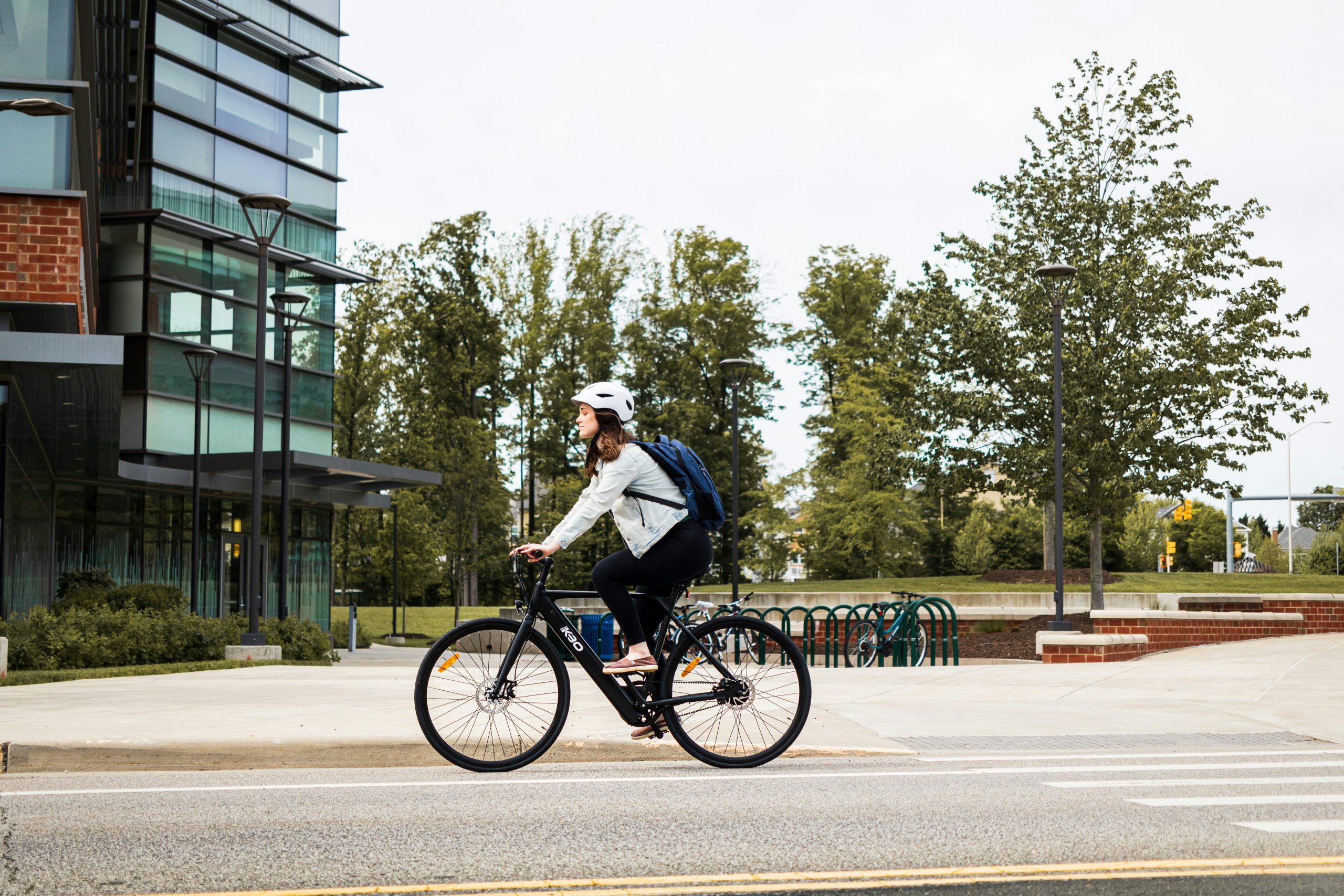
Solo commuting gives teens and young adults valuable independence, but confidence grows from preparation and repeated practice. Families can make that transition easier by teaching specific skills for walking, biking and using public transportation alone. Start with familiar routes during daylight, then gradually add busier stops or later travel times. Clear expectations also help young commuters solve small problems without feeling that every unexpected delay is an emergency.

Teach Situational Awareness Without Fear
Teach your commuter to notice useful details without treating every stranger or unfamiliar place as a threat. Practical situational awareness guidance includes staying alert, limiting distractions and identifying exits.
During a practice trip, ask your child to spot the nearest open business, well-lit waiting area and transit employee. They should keep headphones at a low volume and avoid staring at a phone near intersections. Encourage them to trust discomfort early. Changing seats, entering a busy store or calling home are reasonable responses when something feels off. Calm observation builds confidence because it gives young commuters clear options.
Establish Reliable Check-In Routines
Choose two or three predictable check-ins instead of requesting constant updates. A simple routine might include a message when the commuter leaves, another after boarding and a final text upon arrival. Agree on what to do if a message is 10 or 15 minutes late since buses, trains and traffic can cause ordinary delays.
Create a backup plan for a dead phone or lost service. Your commuter should memorize one family number and know which public places can offer help. A shared location app may be useful, but discuss when tracking will be used and who can see it. Respectful boundaries help the routine feel supportive instead of intrusive.
Equip Everyday Bags With Personal Protection
Keep safety supplies easy to reach instead of buried beneath books or sports clothes. A small flashlight, portable phone charger, whistle and emergency contact card can fit into an outside pocket. Some adults may also consider compact pepper spray for walks or commutes, where permitted.
Check local rules, age restrictions and public transportation policies before selecting any personal safety product. The commuter should understand safe storage and responsible handling before carrying it. Review the bag once a month to recharge batteries, replace expired items and update contact details. Avoid overpacking because a heavy bag can become uncomfortable and may discourage daily use.
Roleplay Everyday Urban Scenarios
Practice turns advice into a response your commuter can recall under pressure. These situational awareness activities offer useful ways to build observation and decision-making skills. Keep each roleplay short and realistic.
Ask what they would do if they missed a stop, boarded the wrong bus or found that their phone battery had died. Practice approaching a transit employee, librarian or store clerk and clearly explaining the problem. You can also rehearse a firm response to an unwanted conversation: “I can’t help you,” followed by moving toward other people. Switch roles occasionally so your child practices both speaking and evaluating possible choices.
Confidence usually appears in small moments, such as checking a route before leaving or recognizing when to move to a busier area. After each solo trip, ask one specific question: “Was there any point when you weren’t sure what to do?” That answer will reveal the next skill worth practicing while the experience is still fresh.

