


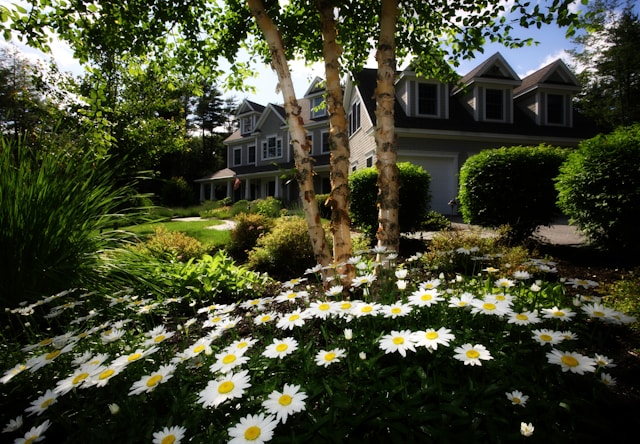
You can absolutely have a gorgeous garden while also being kind to the planet. Sustainable gardening is all about making smart, eco-friendly choices that lead to a healthier, tougher outdoor space. These practices often save you time, money, and effort in the long run, all while helping your garden work with nature. From saving water to inviting helpful critters, here are some easy ways to make your garden a greener spot.
Water-Wise Landscaping
Water is important, and a lot of the water we use at home goes to our lawns and gardens. If you start using water-smart landscaping tricks, you can really cut down on how much you use. A great first step is picking native plants and those that don’t need much water, as they’re already used to your local weather and won’t need as much once they’re settled in. Also, try to put plants with similar water needs together; it makes watering them much easier.
Another fantastic idea is to spread a thick layer of organic mulch, like wood chips or shredded leaves, around your plants. Mulch helps the soil stay moist, slows down evaporation, keeps weeds from popping up and stealing water, and even helps keep the soil temperature steady. You could also think about getting a rain barrel to catch water running off your roof. It’s free, naturally soft, and your plants will love it.
Composting for Richer Soil
Composting is one of the best things you can do for your garden. It’s basically a way to turn kitchen scraps and yard trimmings into a rich soil booster, often called “black gold.” Instead of tossing fruit and veggie peels, coffee grounds, eggshells, and leaves in the trash, you can transform them into free, top-notch fertilizer.
This process makes your soil richer, improves its structure, and helps it hold more water. Healthy soil means healthier plants that can fight off pests and diseases better. If you’re new to this, don’t worry, it’s not intimidating. You can just start with a simple pile in a corner of your yard or use a special compost bin. Learning how to turn the journey of organic materials from trash into treasure can make the whole thing feel even more satisfying.
Eco-Friendly Garden Materials
The stuff you pick for paths, planters, and garden beds also affects the environment. Whenever you can, go for reclaimed or recycled materials. Old bricks can make a charming garden path, and untreated wood pallets can become cool vertical planters. When you’re shopping for new garden landscape supplies, try to find things made from sustainable sources.
For example, choose planters made from recycled plastic or natural fibers like coconut coir. If you’re building raised beds, look for untreated, local wood that naturally resists rot, like cedar. By being thoughtful about your materials, you’ll create less waste and lower the carbon footprint of your garden projects.
Attracting Beneficial Wildlife
A garden that’s really thriving is full of life. You can invite helpful pollinators and pest controllers into your yard by making it a welcoming home for them. Planting a mix of native flowers that bloom at different times will give bees, butterflies, and hummingbirds a steady food supply. These little creatures are important for pollinating many fruits, veggies, and flowers.
Even adding a simple water source, like a shallow bird bath with a few stones for insects to land on, can make a huge difference. Try to avoid chemical pesticides, as they can harm helpful insects, birds, and other wildlife. Instead, use natural ways to control pests, like bringing in ladybugs to munch on aphids. Creating a safe haven for local animals is a key part of any good sustainable garden guide and brings so much joy and activity to your outdoor space.
Reducing Waste in the Garden
Besides composting, there are lots of other ways to cut down on waste in your gardening routine. Before you buy new pots, see what you can reuse. Yogurt cups, milk jugs, and takeout containers can all get a second life as seed starters. Get creative with plant markers by using painted stones, broken pieces of terracotta pots, or old wooden spoons.
When you do need to buy tools, invest in good-quality ones that will last for years instead of cheap plastic ones that will quickly break and end up in a landfill. Thinking creatively and focusing on reusing things really helps you cut down on the amount of waste your gardening hobby produces.
Even just trying one or two of these ideas can get you started on the path to a more sustainable and rewarding garden. Your little patch of green can become a beautiful example of how small changes can make a big, positive impact.


One Response
Have you tried using companion planting to boost growth? It could be a Doodle Baseball fun addition to your sustainable practices. What’s your favorite plant combo?