


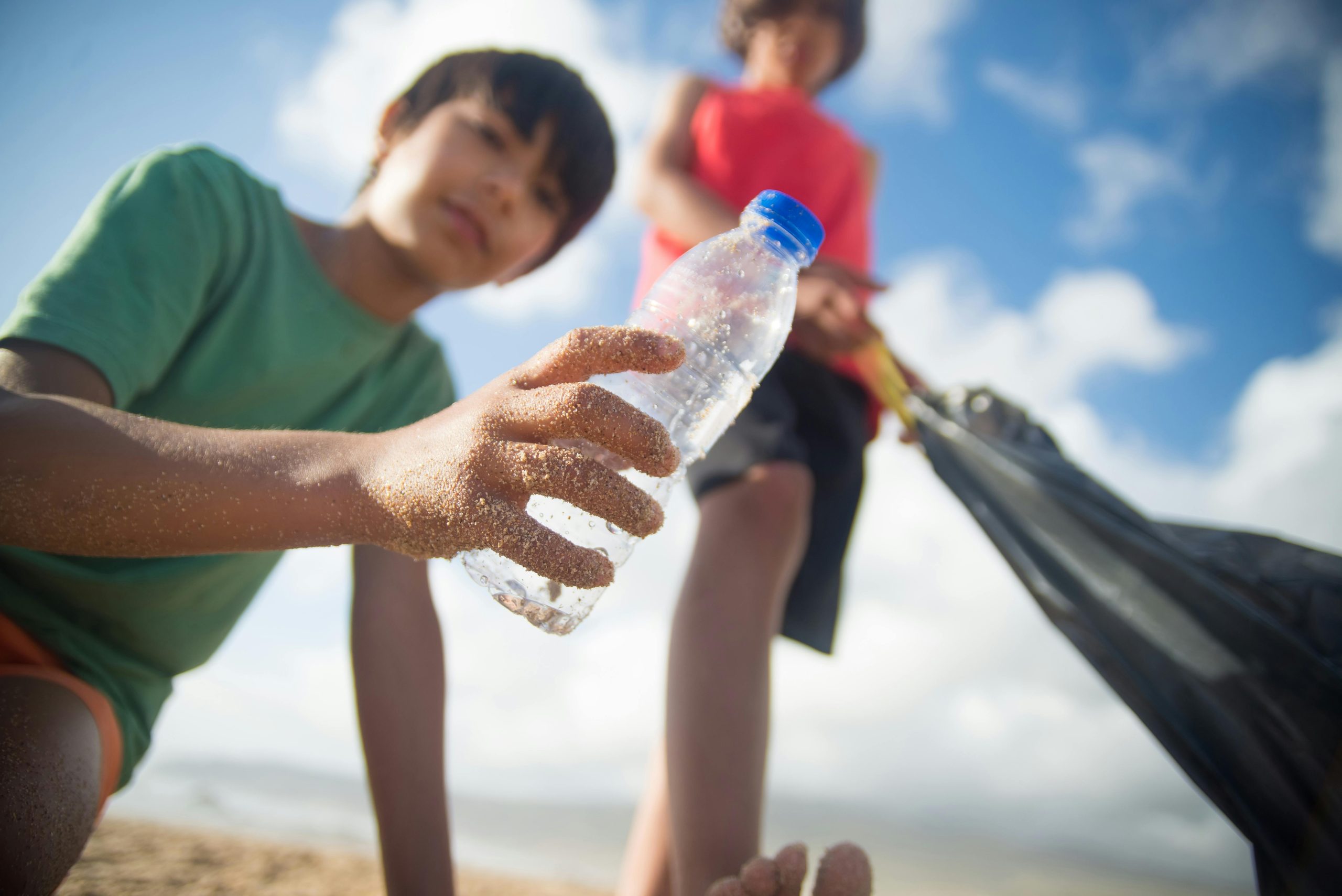
Helping children understand the importance of recycling and compostable packaging is a powerful way to instill lifelong habits that benefit both their communities and the planet. As environmental concerns grow, educating the next generation about sustainable practices becomes more essential than ever. Kids are naturally curious and eager to learn, making them ideal candidates for lessons in eco-conscious living.
By introducing recycling and composting concepts early, parents and educators can empower children to make informed choices and take responsibility for their impact on the environment. Here’s how to make these lessons engaging, practical, and age-appropriate.
Start with the Basics of Recycling
Recycling can be a complex topic, but it’s best to begin with simple, clear explanations. Teach kids what recycling means turning used materials into new products and why it matters. Use everyday examples like plastic bottles, paper, and aluminum cans to show how items can be reused instead of ending up in landfills.
Create a sorting game at home or in the classroom where children separate recyclables from trash. Color-coded bins and visual aids can help reinforce the concept. Encourage them to look for recycling symbols on packaging and explain what those numbers mean. These small steps build awareness and make recycling a natural part of their routine.
Introduce Composting as a Natural Cycle
Composting is another valuable practice that teaches kids about the life cycle of organic materials. Explain how food scraps, yard waste, and other biodegradable items break down into nutrient-rich soil. This process not only reduces waste but also supports healthy gardens and ecosystems.
Set up a small compost bin at home or school and involve children in maintaining it. Let them add fruit peels, vegetable scraps, and coffee grounds, and observe how the materials change over time. Use the finished compost in a garden project to show the full cycle—from waste to growth. Composting helps kids understand that not all waste is garbage and that nature has its own way of recycling.
Discuss Packaging and Its Environmental Impact
Packaging is a major contributor to household waste, and teaching kids to recognize sustainable options is key. Talk about the difference between recyclable, compostable, and non-recyclable packaging. Use examples from their favorite snacks or toys to highlight how packaging choices affect the environment.
This is a great opportunity to introduce materials like cardboard, paper, and plant-based plastics that break down more easily. You can also discuss less eco-friendly options, such as vinyl packaging, which is durable but often difficult to recycle and can persist in landfills for decades. By comparing different types of packaging, kids learn to make smarter choices and advocate for better alternatives.
Make Learning Hands-On and Fun
Children learn best through hands-on experiences. Incorporate crafts, experiments, and outdoor activities to reinforce recycling and composting lessons. Create art projects using recycled materials, build a mini greenhouse with composted soil, or take a field trip to a local recycling center.
Interactive learning keeps kids engaged and helps them see the real-world impact of their actions. Encourage them to come up with their own ideas for reducing waste at home or school, such as organizing a recycling drive or designing posters to promote composting. These activities foster creativity and a sense of ownership over environmental stewardship.
Encourage Family and Community Involvement
Sustainable habits are more likely to stick when they’re supported by family and community. Involve parents in recycling and composting efforts by sharing tips and resources. Host workshops or events that bring families together to learn and take action. Partner with local organizations to provide educational materials or volunteer opportunities.
When kids see adults modeling eco-friendly behavior, they’re more likely to follow suit. Creating a culture of sustainability at home and in the community reinforces the values you’re teaching and helps children feel that their efforts matter.
Conclusion
Teaching kids about recycling and compostable packaging is an investment in a healthier future. By making these concepts accessible, engaging, and relevant, we can inspire young minds to care for the planet and make thoughtful choices every day. Whether it’s sorting recyclables, composting food scraps, or recognizing the impact of packaging materials, these lessons empower children to become responsible, environmentally conscious citizens. With guidance and encouragement, they’ll carry these habits into adulthood—helping to shape a more sustainable world for generations to come.

