


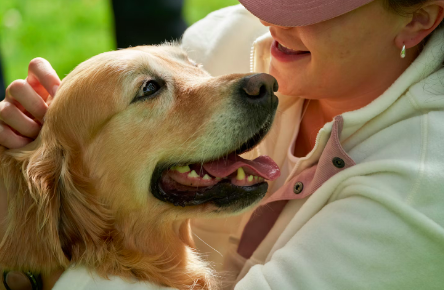
When you imagine bringing a new pet into your home, you probably picture a clumsy, playful puppy or a tiny, curious kitten. While young animals certainly have their appeal, there’s a whole group of loving companions in shelters who often get overlooked: senior pets. Adopting an older dog or cat offers a unique kind of joy and can be an incredibly rewarding experience for the whole family. These mature animals have so much love to give and are just waiting for a comfortable home to live out their golden years.
Why Adopt a Senior Pet?
Choosing a senior pet comes with a surprising number of benefits, especially for busy families. One of the biggest advantages is that what you see is what you get. An older animal’s personality is already fully developed. You’ll know right away if they are calm, energetic, cuddly, or independent. This removes the guesswork that comes with a young animal whose temperament can change as they grow. Instead, you can choose a companion whose personality is already well-established, making for a smoother transition into your home and a more predictable long-term relationship. There are also many benefits of adopting an older dog.
Many senior pets are also already house-trained and may know basic commands. They’ve lived in a home before and understand the general rules of coexisting with people. This can mean less time spent on potty training and more time spent on bonding. While puppies and kittens require constant supervision and energy, older pets are typically much calmer. Their lower energy levels can make them a perfect fit for households that prefer a more relaxed companion for gentle walks and cozy evenings on the couch. Most importantly, when you adopt a senior, you are truly saving a life. These animals are often the last to be chosen at shelters, and giving them a loving home is an act of profound kindness.
Preparing Your Home for an Older Animal
Bringing an older pet home requires a few thoughtful adjustments to make sure they are safe and comfortable. Unlike a young, spry animal, a senior may have mobility challenges or decreased sensory awareness. Start by looking at your floors. Slippery hardwood or tile can be difficult for a pet with stiff joints. Placing non-slip rugs or runners in high-traffic areas can provide much-needed traction and prevent falls.
Comfort is also key. Provide orthopedic beds in a few quiet spots around the house so your new friend has a soft place to rest their aging bones. Make sure their bed is in a draft-free area where they can feel secure but still be part of the family. You might also consider raising their food and water bowls. Elevated feeders can reduce strain on the neck and back, making mealtimes more comfortable, especially for larger dogs or pets with arthritis. Finally, create a “safe zone” for them, like a crate with a comfy bed or a quiet corner of a room where they can retreat when they feel overwhelmed. This is especially important during their first few weeks as they adjust to a new environment.
Common Health Concerns of Older Pets
Just like humans, pets are more prone to certain health issues as they age. Knowing about these potential conditions helps you provide the best possible care. One of the most common ailments is arthritis, which can cause stiffness, limping, and difficulty getting up. You may notice your pet is slower on walks or hesitant to use the stairs. Dental disease is another frequent problem that can cause pain, difficulty eating, and even lead to more serious infections if left untreated.
Many senior pets also experience a gradual loss of vision and hearing. You might notice them bumping into furniture or not responding when you call their name. Changes in weight, appetite, or thirst can also be signs of underlying issues like kidney disease or diabetes. While this list might seem daunting, many of these conditions are manageable with proper veterinary care. Alongside regular check-ups and early treatment, having suitable senior pet insurance in place can help you protect your ageing pet if unexpected health issues arise. Open communication with your vet and planning ahead can make it easier to focus on your pet’s comfort and quality of life.
Ensuring Their Golden Years Are Healthy
Proactive care is the cornerstone of keeping your senior pet happy and healthy. The most important step is scheduling regular veterinary visits. While younger pets might only need an annual check-up, most vets recommend twice-yearly exams for senior animals. These frequent visits allow your vet to catch subtle changes in their health and perform routine blood work to screen for common age-related diseases.
Diet is another critical component. Senior pets have different nutritional needs than their younger counterparts. They typically require fewer calories to prevent weight gain but may need more fiber for digestive health and specific nutrients to support joint function. Your vet can recommend a high-quality senior formula that’s right for your pet. Gentle, consistent exercise is also vital. While they may not be up for long runs, daily walks help maintain muscle tone, keep joints lubricated, and provide important mental stimulation. Pay attention to your pet’s cues and never push them past their limits. A short, leisurely stroll around the block can do wonders for their physical and mental well-being.
Building a Strong Bond
Connecting with an older pet can be one of the most fulfilling relationships you’ll ever have. Unlike a puppy or kitten who has only known you, a senior pet comes with a history. They may have experienced loss, neglect, or simply a quiet life with a previous owner. Because of this, patience is your most important tool. Give them time and space to get used to their new surroundings and family members. Don’t force interactions; let them come to you.
Build trust through positive, gentle routines. Quietly sit with them, offering soft pets if they seem receptive. Engage them in low-impact activities they enjoy, like a short game of fetch with a soft toy or a leisurely walk in a quiet park. Even simple training with positive reinforcement can help build their confidence and strengthen your connection. Learn to read their body language. A tucked tail, flattened ears, or moving away can all be signs that they need a break. Respecting their boundaries shows them they are safe with you. The bond you build with a senior pet is forged in patience and understanding, creating a deep, soulful connection that is truly special.
Giving a senior pet a second chance is a gift to them and to yourself. You’re providing a safe, loving home for an animal in need, and in return, you receive a loyal and grateful companion to share your life with.

