


You lace up your hiking boots, sling a backpack over your shoulder, and set off on a trail that promises panoramic views and perfect solitude. But halfway through the trek, your knees start to ache. Not from the incline or the weight—something deeper. Here’s the twist: your joint pain might not be coming from your knees or hips at all. It might start with your shoes. Yes, your shoes. That trusty pair that’s followed you through cities, forests, and airports could be setting your joints up for a world of trouble.

Why Cushion Isn’t Always Comfort
It’s easy to assume that soft, squishy soles equal support. After all, when you’re walking 20,000 steps a day on your travels, don’t you deserve a cloud underfoot? Ironically, overly cushioned shoes can throw your entire body alignment off. When your heel sinks too far into the sole, your ankle rolls inward slightly with every step. This minor misalignment gets magnified in your knees, hips, and even your lower back.
This becomes especially problematic when you’re exploring uneven terrain. The softer the shoe, the more your foot has to stabilize. If your body isn’t trained for that kind of compensation—or if you’re doing it hour after hour—it results in stress on the joints. And joint pain on the road is a guaranteed trip-ruiner.
Travelers, Beware of the “Fashion Trap”
Let’s talk about those beautiful travel photos you scroll through on Instagram. Flowing skirts, sun hats, vintage bicycles… and flat-soled sandals with zero arch support. Or worse: stylish boots with narrow toes that compress the foot.
Fashion-forward shoes might win the likes, but they often come with a cost. Extended walking in ill-fitting or unsupportive footwear strains the plantar fascia—the band of tissue supporting your arch. When this becomes inflamed, the pain doesn’t stay isolated. It climbs. From foot to ankle. From ankle to knee. It’s a chain reaction few anticipate until it’s too late.
When a Shoe Becomes a Diagnosis
Many orthopedic surgeons see the same pattern: joint complaints that trace back to the wrong footwear. What’s alarming is how slowly this damage creeps in. You might ignore the ache in your heel today or the twinge in your knee after a hike. But these signs are warnings, not inconveniences.
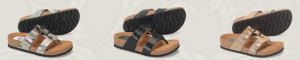
How to Choose Shoes That Travel Well—and Treat You Well
The solution doesn’t lie in hiking boots alone. Even your everyday travel sneakers need to match your body’s needs. Look for shoes with:
Firm heel counters (that part at the back that holds your heel in place)
Flexible forefoot (to allow natural bending)
Proper arch support (especially if you pronate or have flat feet)
Wide toe boxes (to allow natural toe splay during long walks)
If you’re unsure, consider having a gait analysis done. Some outdoor retailers offer this service, and it can tell you more about how your body moves—and what kind of support it needs.

Your Feet Set the Tone for the Journey
A sunrise over a canyon, a winding alley in Lisbon, a hike through mossy paths in Hokkaido—they all begin the same way: with your feet.
So before you plan your next trip, do your joints a favor. Reassess your shoes. Because if the foundation is wrong, no destination can make up for the pain.

