


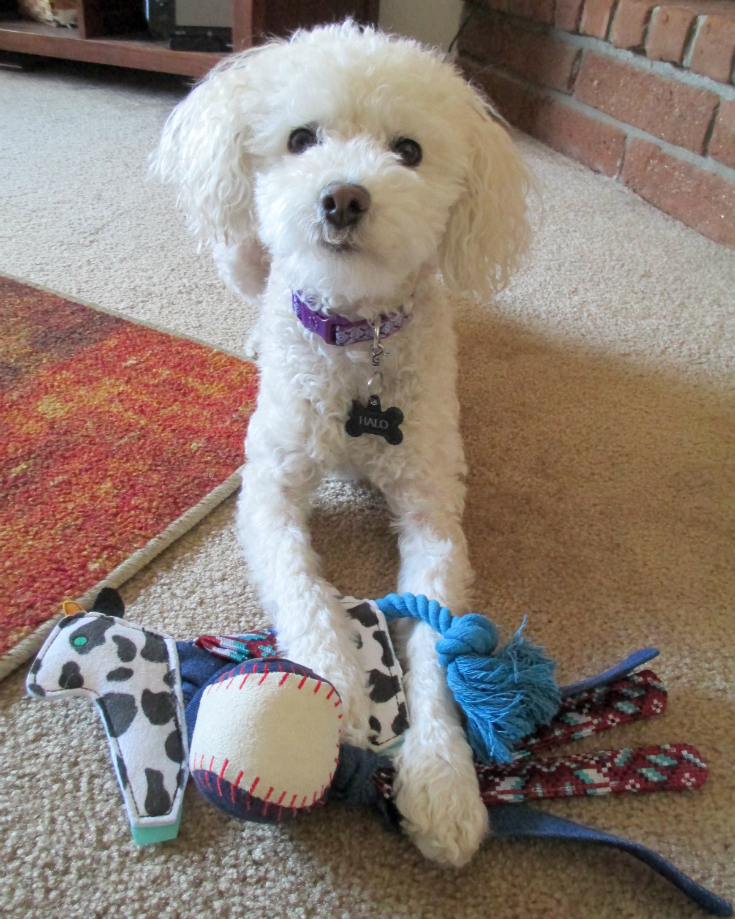
If you’ve ever said, “What did you just chew?” with genuine panic in your voice, you’re not alone. Puppies love to explore, and unfortunately, they often use their mouths to do it. Cords, shoes, furniture, it’s all fair game when you’re four months old.
Thankfully, there’s a reason behind it. Chewing is a puppy’s way of coping with the world, especially during teething or big changes. So, the solution is not stopping it altogether, but pointing it in a better direction. How do you do that? Well, that’s what this article covers.
We’ll walk you through why your furry friend chews so much, and how to help them do it safely (without wrecking your home).
Read on!
The Reasons Behind the Chewing
For a young dog, the world is full of new sights, sounds, and smells. Chewing helps them explore. It’s how they make sense of their surroundings, and it’s also how they relieve the soreness that comes with teething.
Most puppies start teething around three months old. During this stage, their gums can be tender and swollen, so chewing brings real comfort. But it isn’t just about teething. Puppies also chew when they’re bored, understimulated, or even feeling anxious. For example, a puppy left alone for long hours may start chewing furniture or household items just to pass the time.
In some cases, it can be a way to calm themselves when there’s too much going on around them. That’s why redirection matters. Chewing isn’t the problem—what they chew is.
How to Redirect the Chewing Safely
Once you understand the cause, it’s easier to steer chewing in a better direction. Here are simple, safe ways to guide your furry friend’s chewing behavior without stress.
Offer Chew Treats
One of the most effective ways to stop destructive chewing is to replace it with something better, like chew treats. These help soothe teething pain, strengthen developing jaws, and keep puppies busy in a productive way. They also create a calming routine, especially when given during quiet time or before naps.
That said, not all chew treats are good for your furry friend. Many are filled with artificial flavors, preservatives, or low-quality ingredients that can upset a sensitive stomach. It’s always better to go with something natural, simple, and easy to digest. The fewer the ingredients, the safer it is.
Take Bully Sticks for Puppies as an example. They’re made from just one natural ingredient, i.e., beef, so they’re easy to digest and safe for pups. They’re also pretty tough, which is great for teething and keeping pups from chewing on things they shouldn’t. Even better? They come in different sizes for every age and breed and are easy to order online from brands that keep ingredient quality and safety in mind.
Make Your Home Chew-Safe
While you work on redirection, it’s just as important to remove temptation. Your home is full of things that look like great chew toys to a pup—shoes, bags, cords, and wooden furniture. Keeping those items out of reach makes good behavior more likely and accidents less frequent.
Start by placing shoes in closets, keeping bags off the floor, and using cord covers where needed. Baby gates can help block off rooms that aren’t fully dog-proofed yet. It doesn’t have to be a complete overhaul. Just a few thoughtful changes go a long way.
Also, consider setting up a safe area where your pup can play freely without getting into trouble. Fill that space with approved chews and soft bedding. This teaches them what’s allowed and helps build consistent, positive habits over time.
Keep Them Busy and Active
Chewing is often a sign of boredom, so a tired, mentally stimulated dog is less likely to gnaw on things they shouldn’t. Regular activity helps channel their energy in the right direction and supports both physical and emotional development.
Simple playtime can make a big difference. A few short games throughout the day, a walk around the block, or basic obedience training can keep your pup’s mind working and body moving. These activities strengthen your bond and provide an outlet for their curiosity.
You can also add variety with food puzzles or treat-dispensing toys. These give your pup something to focus on and make solo time more engaging. With regular stimulation, chewing becomes a choice, not a last resort.
When to Seek Help
Sometimes, chewing is more than just a phase. If your pup shows signs of stress, chews nonstop even with redirection, or starts eating things that aren’t food, it’s a good idea to ask your vet for advice. There could be nutritional deficiencies or anxiety at play. Early help can prevent long-term problems and give you peace of mind.
Closing Lines
Redirecting your puppy’s chewing is less about control and more about understanding. Chewing is how they cope, grow, and learn. With safe treats, a puppy-ready space, and enough daily activity, you can protect your belongings and help your furry friend form healthy habits.
Start with simple changes. Offer the right chew. Be consistent. These small steps make the growing-up phase smoother for both of you.

