


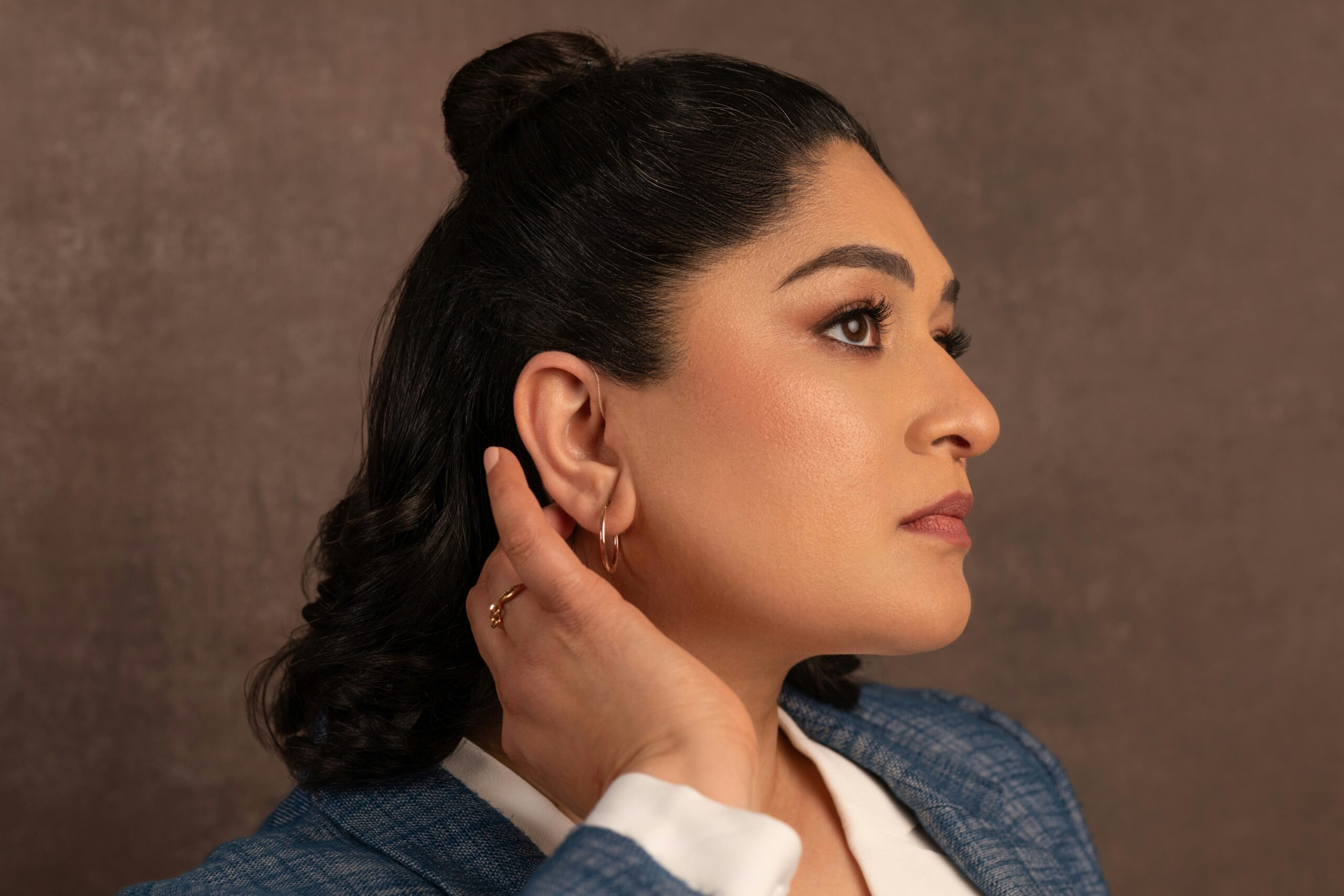
Our sense of hearing connects us to the world in ways we often don’t appreciate until it’s compromised. From the laughter of a loved one to the soothing sound of rain, our auditory experiences enrich our lives daily. Protecting this vital sense is a key part of overall wellness, involving proactive habits and an understanding of how to care for our ears and any devices that support them. Auditory wellness isn’t just about preventing damage; it’s about preserving the quality of your connections and cognitive health for years to come.

Understanding Hearing Loss Basics
Hearing loss is more common than many people realize, and it can develop slowly over many years. It generally falls into a few categories. Sensorineural hearing loss, the most common type, happens when there’s damage to the inner ear or the nerve pathways from the inner ear to the brain. This can be caused by aging, loud noise exposure, or certain medical conditions. Conductive hearing loss occurs when sound can’t get through the outer and middle ear, which can make you drown out the sound of hearing loss. This might be due to earwax buildup, fluid, or a punctured eardrum.
Some people experience mixed hearing loss, which combines both types. The causes are varied, but recognizing the different types of hearing loss is the first step toward addressing it. It’s helpful to understand that it’s not always about sounds being quieter; sometimes they just become less clear. This can help you spot potential issues sooner.
Optimizing Device Performance in All Seasons
If you use hearing aids, taking care of the device is just as important as protecting your ears. These sophisticated pieces of technology are sensitive to environmental conditions. Extreme temperatures, both hot and cold, can affect how they work, especially their battery life. For example, high humidity can introduce moisture into the delicate electronics, while freezing temperatures can drain batteries quickly.
Summer brings its own challenges with heat and sweat. Looking after your devices during a heatwave is crucial for them to last and function well. This is especially true for understanding how to manage rechargeable hearing aids in heat, as high temperatures can impact their charging capacity and overall battery health. Simple habits, like storing your devices in a cool, dry place and using a hearing aid dehumidifier, can make a big difference in their performance, no matter the season.
Daily Habits for Ear Health
You can take simple, proactive steps every day to protect your hearing. One of the most effective habits is to be mindful of volume. When using headphones or earbuds, follow the 60/60 rule: listen at no more than 60% of the maximum volume for no more than 60 minutes at a time. This gives your ears a necessary break.
Here are a few other practical habits to incorporate:
- Use protection: When you know you’ll be in a loud environment, like a concert, sporting event, or even when doing yard work with a lawnmower, wear earplugs or protective earmuffs.
- Keep them dry: After swimming or showering, gently dry your outer ears with a towel. Tilting your head to each side can help any trapped water escape. Avoid using cotton swabs to dry your ear canal, as this can push earwax further in and cause blockages.
- Manage stress: High levels of stress can contribute to tinnitus (ringing in the ears). Practicing relaxation techniques like meditation or yoga can support your overall and auditory health.
The Link Between Hearing and Cognition
The connection between hearing and brain health is a significant area of ongoing research. When you have hearing loss, your brain has to work harder to decode sounds and fill in the gaps. This extra cognitive load can take mental resources away from other important functions, like memory and concentration.
Studies have shown a compelling link between untreated hearing loss and a higher risk of cognitive decline. People with hearing loss may also withdraw from social situations because conversations become too difficult to follow. This social isolation is another risk factor for cognitive issues. Addressing hearing loss isn’t just about hearing better; it’s about keeping your brain engaged and healthy for the long term.
When to Seek Professional Advice
It can be hard to notice the slow progression of hearing loss yourself. Often, a family member or friend is the first to point out that the TV is too loud or that you’re frequently asking them to repeat themselves. These are clear signs that it might be time to schedule a hearing evaluation.
Other signs that warrant a visit to an audiologist include:
- A persistent ringing or buzzing sound in your ears (tinnitus).
- Difficulty understanding conversations, especially in noisy places like restaurants.
- A feeling of fullness or pressure in your ears.
- Sounds seeming muffled or distant.
A professional can perform a comprehensive hearing test to determine the type and degree of any hearing loss and recommend the best course of action.
Taking care of your auditory wellness is a lifelong commitment that pays off in your quality of life. Adopting healthy habits and seeking timely advice helps you continue to enjoy the rich soundscape of the world around you.

