


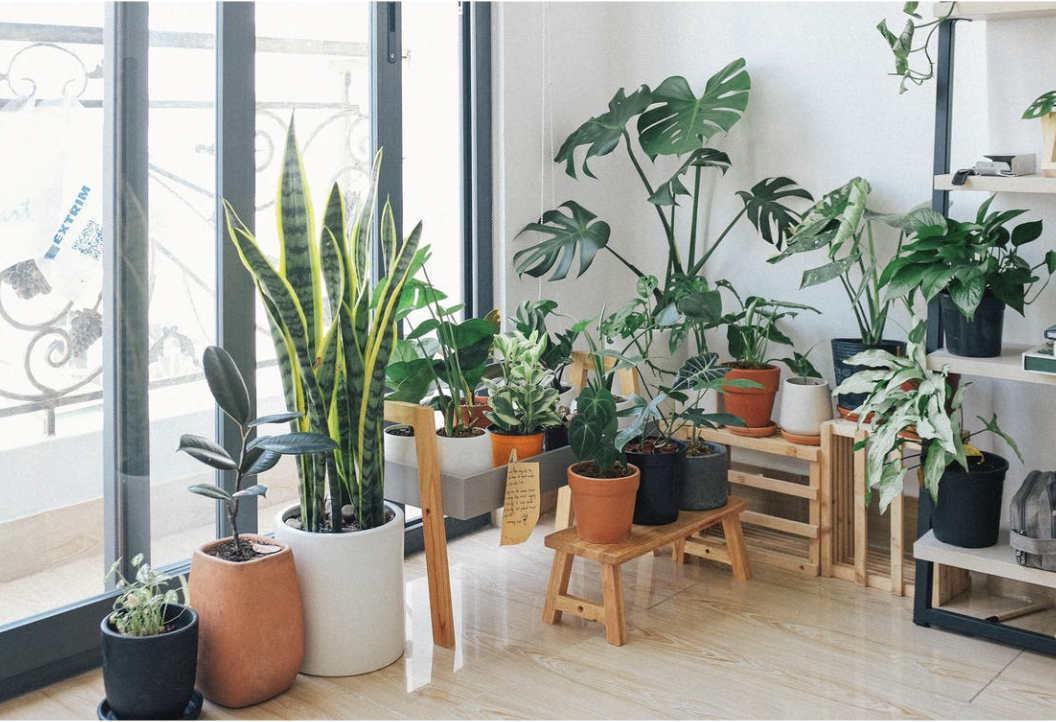
Growing plants indoors can be a great way to add some greenery to your home and improve your indoor air quality. However, it can be tricky to get started, since indoor conditions are often very different from those outdoors.
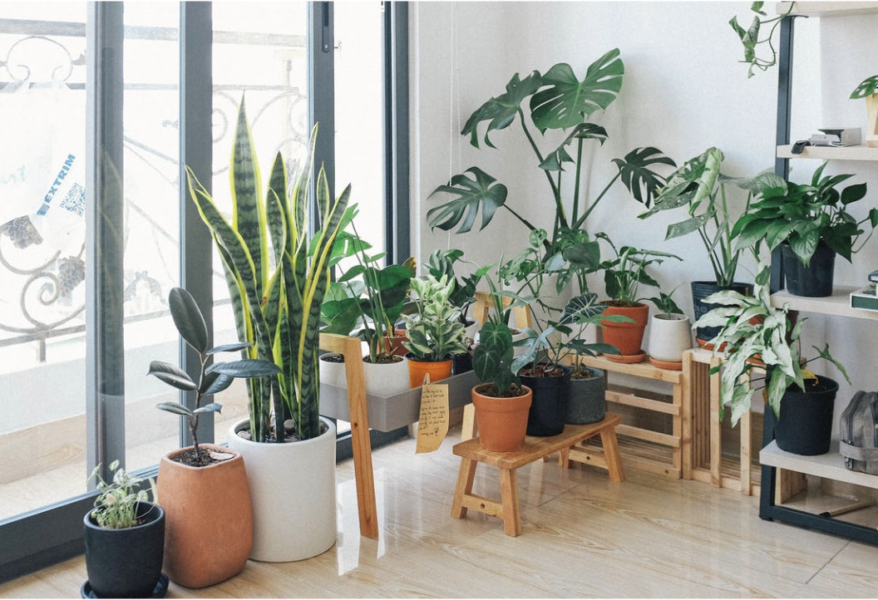
In this article, we’ll share six useful tips for growing indoor plants successfully. We’ll cover everything from choosing the right plants for your space to providing the proper care and attention they need. By following these tips, you’ll be well on your way to enjoying beautiful, healthy indoor plants.
1. Choose the right plants for your space
Not all plants are well-suited for life indoors. If you want your plants to thrive, it’s important to choose species that will do well in the conditions you can provide. When choosing plants for your home, it’s important to consider factors like light availability, temperature, and humidity.
For example, if your home is on the shady side, steer clear of sun-loving plants. Some plants that do well in low-light conditions include philodendrons, ferns, and spider plants. If you have a brighter space, consider adding a snake plant, rubber tree, or peace lily. Consider also the size of the plant and its eventual mature height when selecting a species for your indoor garden.
2. Provide the proper care and attention
Indoor plants need regular waterings, but how often will depend on the type of plant and the conditions in your home. Overwatering is one of the most common problems indoor gardeners face, so it’s important to err on the side of underwatering rather than overwatering.
In general, most indoor plants should be watered once a week or every other week. However, some plants may need more or less frequent watering depending on the temperature, humidity, and light conditions in your home.
Use a grow tent for your indoor plants. A grow tent is an enclosed area specifically designed for growing plants indoors. Do a thorough research if you plan on purchasing a small grow tent for your indoor plants. Grow tents come in a variety of sizes and can be customized to fit your specific needs. They are also equipped with features like built-in fans and ventilation systems, which help to create a controlled environment for your plants.
Grow tents are an ideal option for those who want to grow plants indoors but don’t have the space or resources to do so. By using a grow tent, you can create the perfect conditions for your plants to thrive while keeping them out of sight and away from prying eyes.
3. Create a healthy environment
Indoor plants can help purify the air in your home, but they also need fresh air to thrive. Make sure to open windows or doors frequently to allow for proper ventilation.
Keep an eye on the temperature and humidity. Most houseplants come from tropical or subtropical regions and prefer warm, moist conditions. However, there are a few that actually prefer drier air, so it’s important to know the needs of your particular plants. To maintain a consistent level of humidity around your plants, try grouping them together or placing them on a pebble tray.
Make sure your indoor plants get enough light. Just like people, plants need light to live. But the amount of light required varies from species to species. In general, most houseplants prefer bright, indirect sunlight. If you’re not sure how much light your plant needs, check the tag that came with it or do a quick online search. The amount of light your plants need will depend on the type of plant and the stage of growth. Most indoor plants do best with 12 hours of light per day.
Use the right soil for your indoor plants. The type of soil you use can make a big difference in the health and growth of your plants. Indoor plants need soil that is light and airy, so they can easily take up nutrients. A good quality potting mix or African violet mix is a good option.
You should also avoid using chemicals indoors, as these can be harmful to both humans and plants. If you must use chemicals, do so in well-ventilated areas and take care to follow all safety instructions.
4. Prune regularly
Pruning is an essential part of plant care, especially for indoor plants. Not only does it remove dead or dying leaves and stems, but pruning also encourages new growth. When done correctly, pruning can help your indoor plants become more full and vibrant.

Here are a few tips to keep in mind when pruning your indoor plants:
- Start with clean, sharp shears. This will help you make clean cuts that won’t damage the plant.
- Remove any dead or dying leaves and stems first. These can be identified by their brown or black coloration.
- Once you’ve removed the dead growth, take a look at the overall shape of the plant. Prune any branches that are crossing over each other or growing in an unnatural direction.
- When pruning, make sure to cut at a 45-degree angle just above a leaf node (the point where leaves are attached to the stem). This will encourage new growth.
- After pruning, water your plant well and fertilize it if needed. This will help it recover from the stress of being pruned.
Pruning is an important part of indoor plant care. By following these tips, you can keep your plants healthy and vibrant.
5. Fertilize regularly
Fertilizing helps provide the nutrients plants need to grow and thrive. There are many different types of fertilizer available, so be sure to choose one that’s appropriate for the type of plant you’re growing.
In addition, use fertilizers sparingly. Fertilizing your plants will help them to grow, but it’s important not to overdo it. Use a fertilizer that’s specifically designed for houseplants and follow the directions carefully.
6. Inspect your plants regularly
Checking your plants regularly for pests, diseases, or other problems is an important part of indoor gardening. Unfortunately, indoor plants are susceptible to pests just like outdoor plants. The good news is that there are plenty of effective ways to get rid of pests without resorting to harsh chemicals. Start by checking your plants regularly for signs of infestation and be sure to quarantine any new plants before adding them to your collection. By catching problems early, you can often treat them before they cause serious damage to your plants.
By following these tips, you’ll be well on your way to successfully growing indoor plants. With a little care and attention, you can enjoy beautiful, healthy plants in your home for years to come.

