


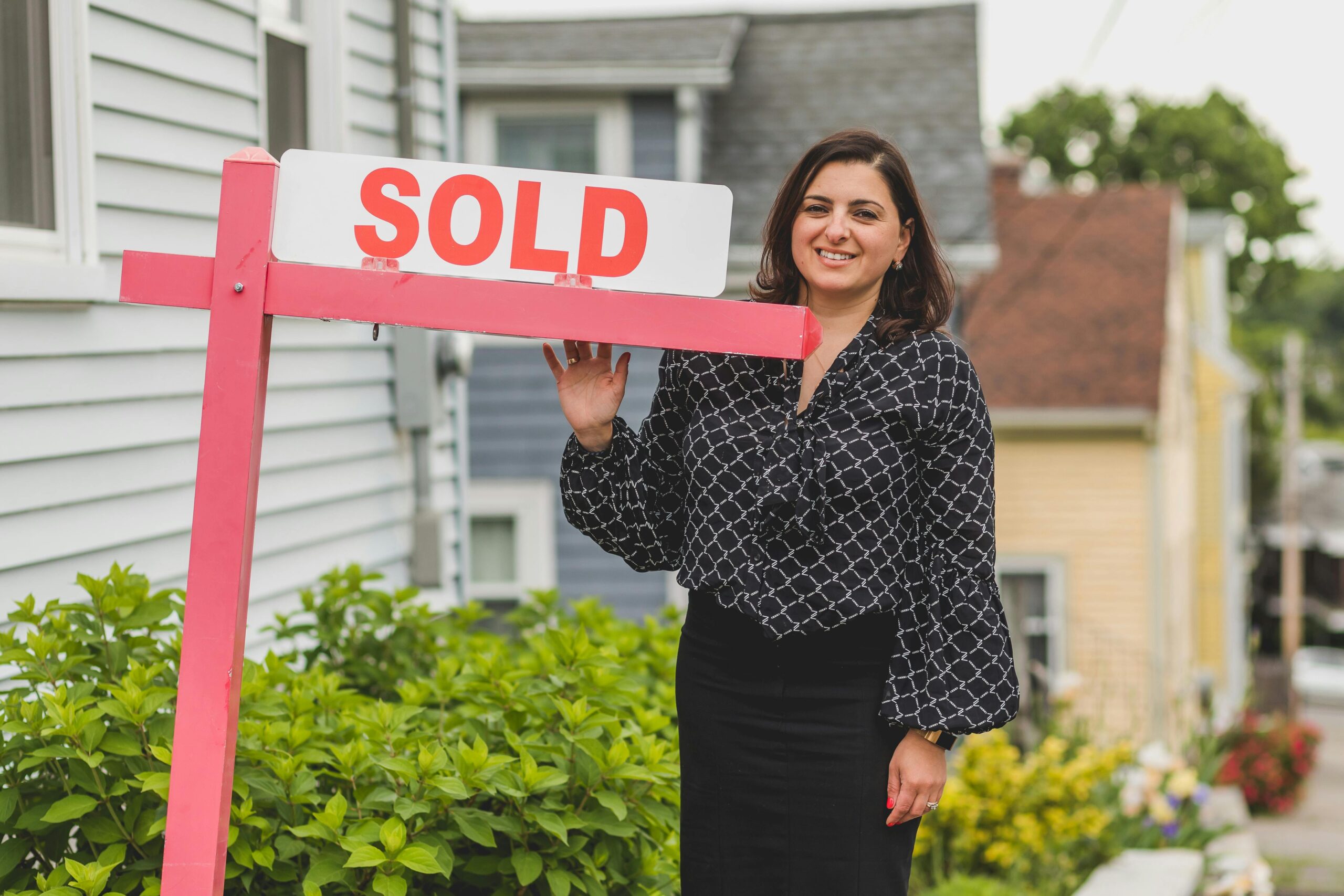
The average homeowner only sells a few times in their lifetime, which means there’s very little room for trial and error. Price too high and your listing goes stale. Skip the prep work and buyers lowball you.
Get the strategy right, however, and your home becomes one of the most powerful financial moves you’ll ever make.
1. Price It Right From the Start
One of the biggest mistakes sellers make is overpricing their home. It feels natural to aim high, but buyers are savvy. They compare listings daily, and an overpriced home will sit on the market longer than it should.
A home that lingers too long starts to feel suspicious. Buyers begin to wonder what’s wrong with it, even if nothing is. Working with a local real estate agent to price competitively from day one attracts more interest and often leads to multiple offers.
2. Boost Your Curb Appeal
First impressions happen fast, sometimes within seconds of pulling up to the curb. If the outside of your home looks tired or neglected, buyers may not even want to step inside.
You don’t need a major landscaping overhaul to make an impact. Simple updates like fresh mulch, trimmed hedges, a new front door mat, and a coat of paint on the front door can completely transform how your home looks from the street. Buyers notice these details.
3. Declutter and Depersonalize
When buyers walk through your home, they need to picture themselves living there. That’s hard to do when your family photos cover every wall and your kids’ toys fill the living room floor.
Decluttering and depersonalizing your space gives buyers room to imagine their own life in the home. Pack away personal items, reduce furniture to open up the space, and aim for a clean and neutral look throughout. Less truly is more when selling.
4. Make Strategic Upgrades (Not Just Any Upgrades)
Not every renovation will give you a solid return on your investment. Splurging on a full kitchen remodel right before listing might feel smart, but it doesn’t always pay off the way sellers expect it to.
Focus on upgrades that buyers in your market actually care about. Here are some of the highest impact improvements to consider:
- Fresh neutral paint throughout the main living areas
- Updated light fixtures and cabinet hardware in the kitchen
- New faucets or mirrors in the bathrooms
- Replacing worn carpet with affordable luxury vinyl flooring
- Fixing any visible cracks, leaks, or damage before listing
- Power washing the driveway, walkway, and exterior walls
- Adding smart home features like a video doorbell or thermostat
These targeted updates signal that the home has been well cared for without costing a fortune.
5. Stage Your Home to Sell
“Home staging is not just about making a space look pretty. It’s a strategic tool that helps buyers emotionally connect with your property. Staged homes tend to sell faster and for more money than unstaged ones,” says the EmpowerHome Team, a group of Dallas Realtors.
You don’t have to hire a professional stager, though it can be worth it in competitive markets. At minimum, rearrange furniture to improve flow, add some fresh flowers or greenery, and make sure every room is well lit. Natural light especially makes a home feel larger and more inviting.
Pay close attention to the primary bedroom and kitchen since those are the two spaces that tend to drive buyer decisions the most. A cozy, well arranged bedroom and a clean, organized kitchen can seal the deal.
6. Invest in Professional Photography
Most buyers today start their home search online. That means your listing photos are often the very first thing potential buyers see before they ever schedule a showing.
Blurry, dark, or poorly framed photos can make even a beautiful home look unappealing. Professional real estate photography is one of the best investments you can make before listing. A good photographer knows how to use lighting, angles, and composition to make every room look its best.
Some agents include photography in their services, so ask upfront. If yours doesn’t, it’s worth paying out of pocket. Great photos attract more clicks, more showings, and ultimately better offers.
7. Time the Market Thoughtfully
Timing matters when selling a home, though it’s not always in your full control. That said, understanding market conditions can help you make smarter decisions about when to list.
Spring and early summer are traditionally the busiest seasons for real estate. Families with school age children tend to move during this window, which drives up demand. More buyers usually means more competition for your home, which can push prices higher.
That said, don’t wait too long trying to time things perfectly. A well prepared home in a slower season can still attract serious buyers, especially when inventory is low. The condition and pricing of your home will always matter more than the time of year.
8. Work With the Right Agent
Choosing a real estate agent is not just a formality. The right agent can be the difference between a smooth, profitable sale and a frustrating experience that costs you time and money.
Look beyond flashy marketing pitches and focus on track record. A strong agent knows your local market inside out, has a proven history of closing deals close to or above asking price, and communicates clearly throughout the process. Those qualities matter far more than how polished their business card looks.
Ask potential agents how they plan to price your home, how they’ll market it, and how they handle negotiations. Their answers will tell you a lot. A confident, knowledgeable agent won’t dodge those questions. They’ll walk you through their approach with specifics.
Bringing It All Together
Maximizing your home’s value isn’t about spending the most money on upgrades or holding out for the highest possible price. It’s about being strategic, intentional, and realistic about what buyers in your area are actually looking for.
Sellers who take the time to prepare properly almost always walk away with better results than those who rush the process. A little planning upfront can mean tens of thousands of dollars more at the closing table.
Whether you’re listing next month or just starting to think about it, these eight strategies give you a clear and actionable roadmap. The goal isn’t just to sell your home. It’s to sell it well.

