


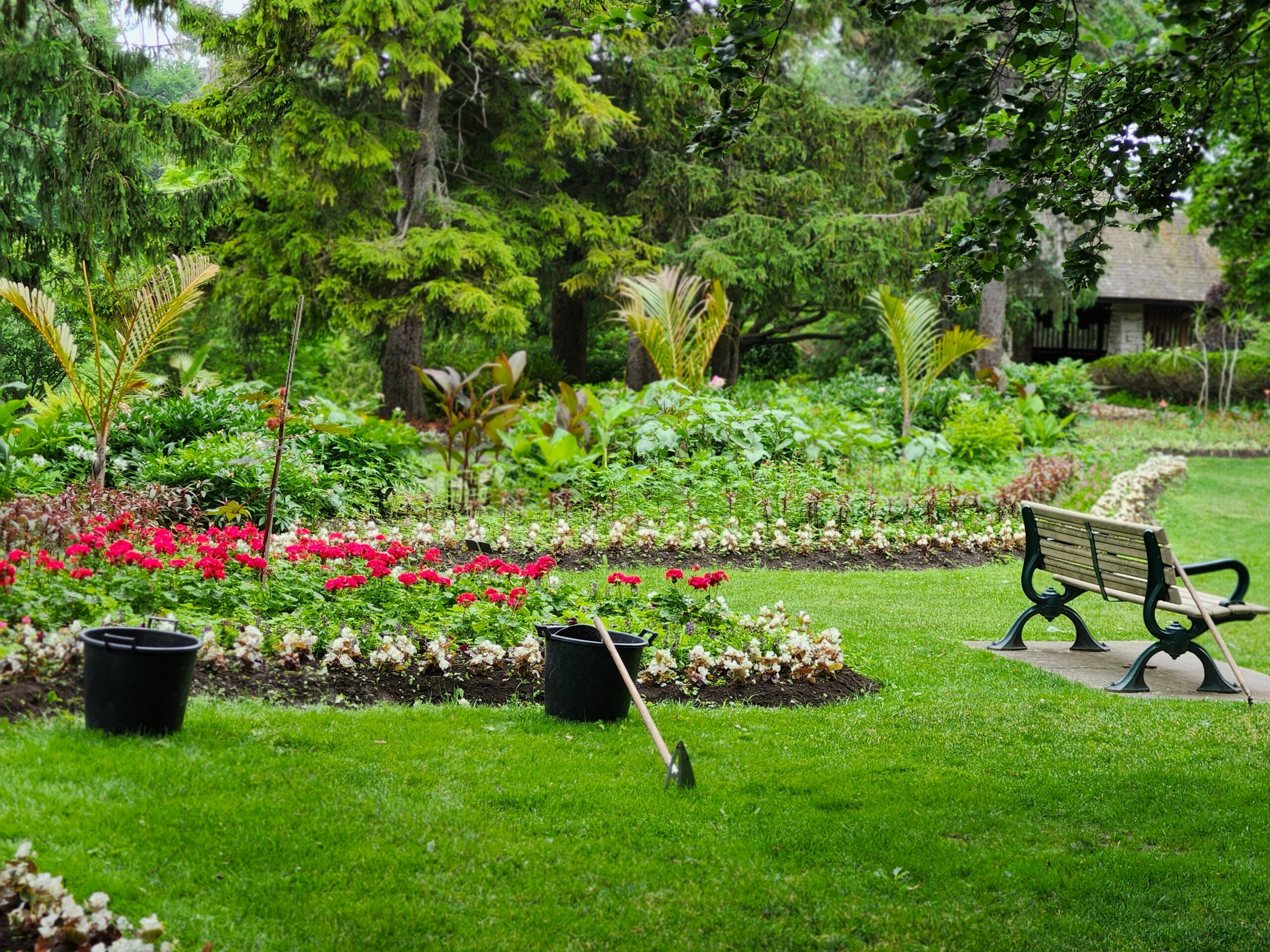
Most people keep the same garden routine year-round. That’s the problem. The calendar doesn’t just swap out temperatures — it rewires soil chemistry, daylight duration, root behavior, and how plants pull nutrients from the ground. One fixed routine can’t track any of that. Plants’ needs shift month to month, sometimes week to week. Ignore the pattern and you get patchy outcomes — a surge of growth in one bed, a slow mysterious dieback in another. Dial your care to the actual season, though? Everything tightens. Stronger plants, fewer nasty surprises, a garden that stops being a mystery.
Spring Preparation and Growth Activation
Foundations either get built in spring or they don’t get built at all. Soil warms up, days lengthen, and plants lurch out of dormancy almost overnight — suddenly hungry for oxygen, moisture, and nutrients simultaneously. Aerate first. Winter compaction doesn’t just resist roots; it chokes the microbial life that converts organic matter into anything plants can actually use. Dig compost in early. Last season stripped those beds down, and something has to go back. Young transplants and indoor-started seedlings need careful watering — spring weather swings from bone-dry to waterlogged inside a single week, sometimes faster. Moisture consistency matters. So does drainage. Get either one wrong and seedlings stall out before they’ve built any real momentum.
Summer Maintenance and Stress Management
Heat grinds on plants. Hard. Shallow, frequent watering — the reflexive response when things look dry — keeps moisture near the surface and trains roots to stay shallow. Shallow roots snap under stress. Deep, infrequent watering pushes roots downward; that’s where actual resilience lives. Mulch becomes your most valuable tool in summer: it caps soil temperature, slashes evaporation, and crowds out weeds fighting for the same water and nutrients. Watch the leaves. Wilting, off-color patches, scorched edges — those signals show up before damage becomes permanent. Deadhead consistently; spent blooms redirected toward seed production are energy the plant can’t spend on new flowers. For sensitive varieties in brutal climates, afternoon shade isn’t pampering. It’s just smart damage control.
Fall Preparation and Winter Readiness
Cooling temps tell plants to wind down. But fall is active, not passive — arguably the most productive planning stretch a gardener gets. Perennials divided now establish before freeze. New shrubs transplanted in fall have weeks of workable soil to push roots before dormancy locks everything in. Pull back on fertilizer — especially nitrogen-heavy blends. Coaxing tender new growth in October just gives frost an easy target. Growers mapping out their spring outdoor gardens — including those sourcing marijuana seeds for the coming season — find this cooler window ideal for researching genetics and locking down quality stock before demand spikes.
Clear fallen leaves and dead debris. Left sitting, they shelter overwintering pests and hold fungal spores that reactivate the moment spring moisture arrives. Mulch around perennials and shrubs before the first hard freeze — roots are far more exposed to freeze-thaw damage than most gardeners expect. Drain the irrigation lines. Store tools properly. Small tasks now. Big problems prevented later.
Planning extends beyond individual plants to the overall composition and health of the landscape, considering elements like soil structure, drainage, and plant groupings that thrive together. This broader view of the garden as an integrated system helps ensure long-term vitality and reduces the need for reactive interventions. Understanding the principles of softscape planting and upkeep ensures that these foundational elements are correctly addressed, fostering resilient ecosystems that enhance curb appeal and ecological balance. Proper execution during this period sets the stage for a vibrant growing season ahead, minimizing problems that might otherwise emerge with warmer weather.
Winter Protection and Dormancy Support
Dormancy looks like nothing happening. It isn’t. Plants are conserving, repairing, consolidating energy. Your role is mostly to stay out of the way — and to block the specific conditions that cause real harm. Heavy snow load on evergreen branches will snap them; knock accumulation off gently after storms. Don’t prune in the coldest months. Cuts won’t callous properly in freezing temps and become open doors for disease. Broadleaf evergreens carry a particular vulnerability: they keep transpiring moisture through their leaves even when frozen ground blocks roots from replacing it. Anti-desiccant sprays cut that loss meaningfully. Water them during dry winter spells too. And resist any urge to fertilize or dig around dormant beds — that itch to do something is exactly what healthy dormancy doesn’t need.
Year-Round Monitoring and Pest Management
Observation isn’t a secondary task. It’s the core one. Pest and disease pressure shifts with each season — catch problems early and you’re doing a quick fix; miss them and you’re managing an infestation. Early spring brings fungal risk as moisture climbs. By midsummer, insect populations peak. Integrated pest management works best when it tracks that rhythm — clear overwintering pest habitat in fall, apply dormant oil sprays in late winter before bud break, target specific insects when they’re actually active rather than spraying on a fixed calendar regardless of conditions. Check stems, leaf undersides, and soil regularly. Yellowing. Spotting. Distorted growth. Those are the early tells. Keep a simple garden journal — what worked in June last year, what collapsed in August. That record becomes a personalized seasonal guide that no generic advice can touch.
Conclusion
One-size-fits-all gardening delivers one-size-fits-all results. Mediocre ones. Seasonal care operates from a different premise entirely — responsive, specific, tuned to what plants actually need right now. Spring builds structure. Summer manages stress. Fall preps for winter and loads the spring. Winter protects everything else. Each season has a distinct job. Understand that, and plant performance stops feeling random. Root systems deepen, disease resistance builds, yields climb. The garden doesn’t just survive the year — it compounds, getting measurably better as your seasonal instincts sharpen.

