


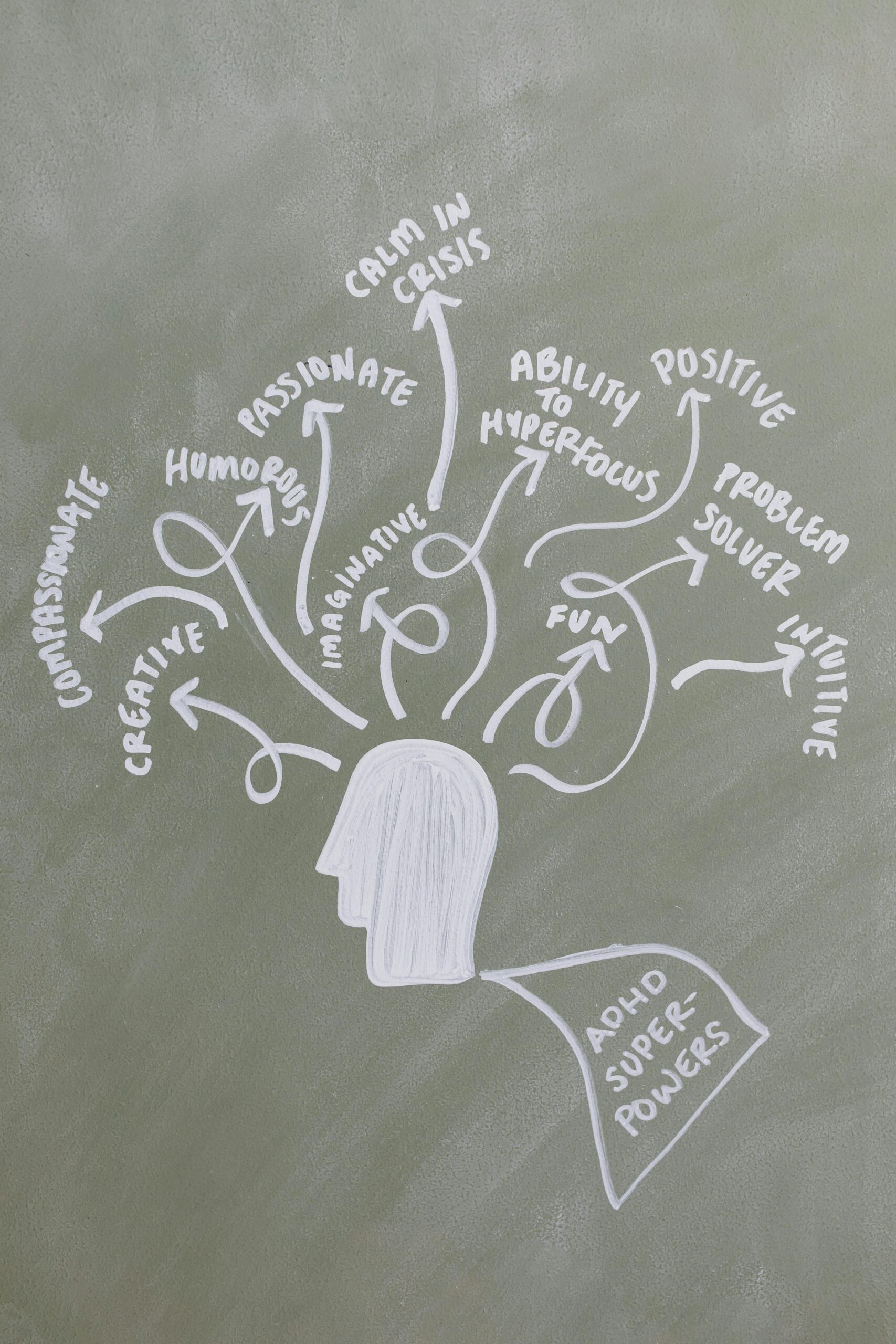
Neurodivergence is a wonderfully broad term that describes people whose brains process, learn, or experience the world differently. This includes ADHD, autism, dyslexia, dyspraxia, and other neurological differences. While these differences can bring innovation and unique strengths, they can also come with challenges that affect daily life. Unfortunately, these challenges often come with the outside world because the world is not built for those with neurodivergence. The important thing to remember is that struggling doesn’t mean you’re failing. Sometimes it simply means you may need more support or tools that work better for your brain.

You constantly feel overwhelmed.
Many neurodivergent people spend years feeling like they’re too much or not enough without understanding why. Everyday tasks like remembering appointments and staying organised can feel too exhausting to manage. For some people. Seeking an ADHD private diagnosis can help to provide clarity and direction. Understanding how your brain works can make it easier to access support, coping strategies or accommodations that improve daily life. If life constantly feels harder than it seems to for others, it may be worth exploring whether additional support could help.
You struggle with burnout.
Neurodivergent burnout is very real and is different from regular burnout. Spending time trying to mask symptoms, fit into social expectations, or force productivity can leave people mentally and emotionally drained. This kind of exhaustion often goes beyond simply being tired. You can feel irritable, emotionally flat, unable to focus, or desperate to withdraw from responsibilities altogether. If rest never seems to fully recharge you, your brain may be asking for a gentler approach rather than more pressure.
The smaller tasks feel surprisingly difficult.
Everyone procrastinates occasionally, but neurodivergence can sometimes make the simple tasks feel impossible. Replying to emails, making phone calls, starting assignments, folding laundry, or just remembering the basic routines can require enormous mental energy. This can lead to guilt and frustration, especially when others don’t understand why these tasks feel so difficult. There are support strategies out there that exist, but many people feel immense relief once they stop blaming themselves for struggling and start realising they need extra help.
Your emotions feel very intense.
Many neurodivergent people experience emotions deeply. Rejection, criticism, overstimulation, or sudden changes in plans are very overwhelming. This doesn’t mean that you’re too sensitive, it simply means that your nervous system may process emotional experiences differently. Learning emotional regulation tools and setting boundaries with your emotions can really help with your overall well-being.
You know that you feel different, but you cannot explain why.
One of the most common experiences among neurodivergent adults is a lifelong feeling of being different. You may have spent years trying to fit in while secretly wondering why certain things seem easier for other people. Sometimes people only recognise signs of neurodivergence later in life after seeing information online or speaking with a professional. There is no shame in wanting answers because self understanding can be incredibly empowering for individuals to manage.

