


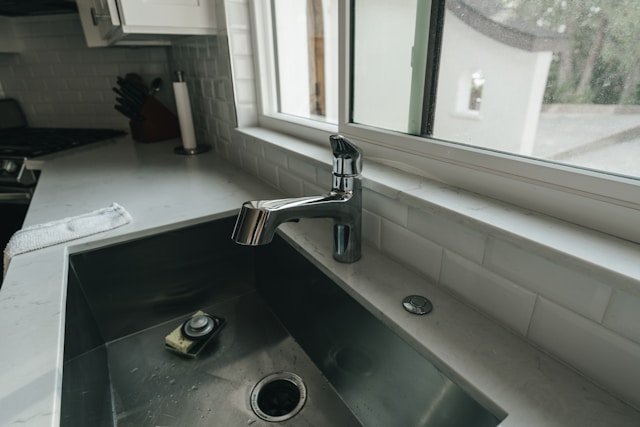
Between school runs, soccer practice, and supervising homework, the last thing any mom wants to deal with is a clogged drain. A slow-draining sink or a backed-up shower can really mess up an already packed schedule. The good news is that keeping your home’s plumbing flowing smoothly doesn’t have to be another huge chore on your to-do list. With a few smart habits and some basic know-how, you can stop most common drain issues before they even start.
Daily Habits for a Cleaner Home
Stopping clogs often comes down to small, regular actions that actually have nothing to do with plumbing itself. A tidy home generally means less debris finds its way into your pipes. Simple routines, like wiping down kitchen counters after cooking and quickly sweeping up crumbs and pet hair, can make a big difference. These low-effort cleaning habits not only keep your space looking great but also cut down on food particles and other gunk getting washed down the sink. Think of it as a little proactive maintenance that only takes a few minutes each day.

Kitchen and Bathroom Care Basics
The kitchen and bathroom sinks are usually the main culprits when it comes to clogs. In the kitchen, the golden rule is to never pour grease, oil, or fat down the drain. These things solidify in pipes, creating stubborn blockages that then trap other debris. Instead, pour grease into an old jar, let it cool, and just toss it in the trash. Using a mesh strainer over your kitchen sink drain can catch food scraps that would otherwise contribute to clogs, much like establishing a daily routine can prevent bigger issues.
In the bathroom, hair is the biggest problem. A simple drain cover or hair catcher for your shower and tub drains is a cheap tool that can save you a major headache. Regularly clearing these catchers is way easier than dealing with a hair-clogged pipe. These small adjustments are some of the most efficient home care tips you can adopt to keep things running smoothly.
DIY Fixes for Minor Clogs
Even if you do everything right, you might still get a slow drain now and then. Before you reach for harsh chemical drain cleaners, which can actually damage your pipes, try a gentler approach. A simple mix of baking soda and vinegar can often do the trick. Pour about half a cup of baking soda down the drain, followed by half a cup of white vinegar. Let it fizz and work its magic for 30 minutes, then flush with hot water. For a more detailed breakdown of safe methods, learning how to clean out drain pipes can save you a lot of hassle and keep a small problem from becoming a big one.
Recognizing Early Warning Signs
Your home may show early signs of a plumbing problem before it becomes an emergency. Watch for:
- Slow Drains: Consistently slow sinks or tubs may indicate a developing blockage.
- Gurgling Sounds: Gurgling from drains or toilets can signal trapped air caused by a clog.
- Unpleasant Odors: Persistent drain smells may indicate trapped food or debris.
- Water Backups: Water backing up when another fixture is used could point to a main sewer line issue.
When to Call a Professional
DIY fixes work well for minor clogs, but recurring or stubborn blockages, multiple clogged drains, or suspected sewer line issues require a professional plumber. Expert help can prevent water damage and costly repairs.
A few minutes of weekly maintenance can keep your plumbing running smoothly and give you one less household worry.

