


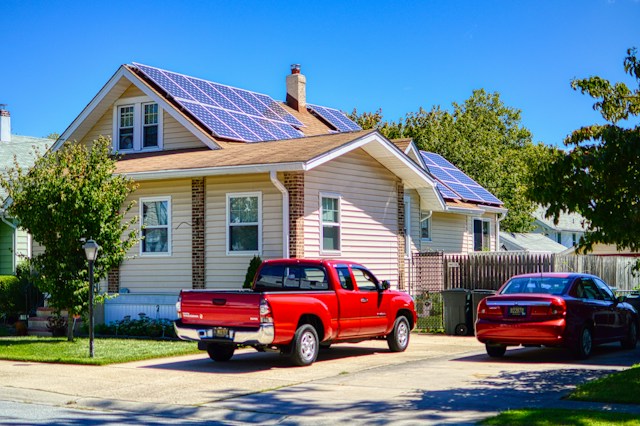
Small changes to the way your home uses energy can lower monthly bills while making rooms more comfortable. The best results usually come from fixing wasted energy first, then replacing aging equipment as your budget allows. A drafty attic may deserve attention before a connected appliance, for example, because reducing heat loss helps every heating and cooling system work less.
Start with the projects that address a known problem in your home. Utility bills, uneven room temperatures, and the age of major equipment can help you decide where your money will have the greatest effect.
Insulation and Air Sealing
Air leaks around attic openings, plumbing penetrations, recessed lights, and exterior doors allow conditioned air to escape. Insulation slows heat transfer, but it can’t fully compensate for gaps that continually move air in and out of the house. Air sealing and insulation work best as a pair.
Begin with accessible trouble spots. Add weatherstripping around loose exterior doors, seal small window gaps with suitable caulk, and install foam gaskets behind outlet covers on exterior walls. In the attic, look for gaps around pipes and wiring. Some penetrations require fire-rated materials, so check local requirements or call a qualified contractor before sealing areas near heat-producing fixtures.
Insulation levels can vary widely between homes. An older house may have settled attic insulation that no longer reaches the recommended depth, while a newer addition may have gaps around framing. A home energy assessment can reveal these weak points. NYSERDA’s collection of energy-saving improvement ideas offers a useful overview of projects that affect comfort and energy use.
Pay attention to moisture before adding insulation. A roof leak, damp crawl space, or poorly vented bathroom can damage new material and encourage mold. Fix the water source first. Once the area is dry, sealing leaks and adding the correct insulation can reduce cold floors, hot upstairs rooms, and long heating or cooling cycles.
High-Efficiency Appliances
An appliance upgrade makes the most financial sense when the existing unit is old, unreliable, or expensive to operate. Replacing a working refrigerator that’s only a few years old may produce a slow return, while replacing a 15-year-old model in constant use could create more noticeable savings.
Check the EnergyGuide label when comparing refrigerators, dishwashers, clothes washers, and other major appliances. It shows estimated yearly energy use and operating cost, which makes it easier to compare models of similar size. Capacity matters too. An oversized refrigerator uses energy to cool space you may not need, while an undersized washing machine can lead to extra loads.
Daily habits affect the final cost. Run full dishwasher loads, use cold water for suitable laundry, and clean refrigerator coils according to the manufacturer’s directions. The home energy-saving guide includes more practical ways to reduce waste from common household equipment.
Consider the full purchase cost before choosing connected features. A Wi-Fi connection can be helpful if it alerts you to an open refrigerator door or lets you schedule an appliance for lower-rate hours. Features that you won’t use add cost without reducing consumption. Repair history, warranty terms, and expected service life usually matter more than an impressive control panel.
Modern Water Heating Systems
Water heating can account for a meaningful share of household energy use, especially in a home with several people taking showers, washing clothes and running the dishwasher each day. If your current water heater is nearing the end of its expected life, compare replacement options before it fails. An emergency purchase leaves little time to assess capacity, installation needs, and long-term operating costs.
Tankless systems heat water when a fixture calls for it, so they avoid the standby losses associated with keeping a full storage tank hot. They can also free up floor space. However, flow rate, fuel type, incoming water temperature, and household demand determine how well a unit will perform. A family that regularly uses two showers and a washing machine at once may need a different setup than a one-person household. Ohio Valley homeowners considering this option can use Tankless Water Heaters: A Buyer’s Guide for Homes to review practical concerns such as hard water, sizing, and gas versus electric models.
Ask for an installation estimate that covers more than the equipment price. Venting changes, electrical work, gas-line adjustments, or water treatment may affect the total. Hard water can also cause mineral buildup, so a maintenance plan may include periodic flushing.
If replacement isn’t needed yet, lower the water heater temperature to a safe setting recommended for your household, repair dripping hot-water faucets, and insulate accessible hot-water pipes where appropriate. These smaller fixes reduce waste without committing to a new system.
Smart Thermostats
A smart thermostat can reduce unnecessary heating and cooling when your household follows a changing schedule. It may automatically adjust temperatures while you’re away, resume a comfortable setting before you return, and provide energy reports that show how often the system runs.
Compatibility comes first. Heating and cooling systems use different wiring and controls, and some thermostats need a common wire for continuous power. Check the manufacturer’s compatibility tool or ask an HVAC technician before buying. A thermostat that doesn’t properly support your heat pump, multi-stage furnace, or zoned system can cause comfort problems and may operate inefficiently.
Once installed, keep the schedule simple. Set temperatures around the times people usually wake, leave, return, and go to bed. Large temperature swings aren’t always helpful, particularly with some heat pumps. Gradual adjustments may prevent expensive auxiliary heat from turning on. Geofencing can work well for adults with consistent phone settings, but a fixed schedule may be more reliable in a busy family home.
Placement also affects readings. A thermostat near direct sunlight, a kitchen doorway, or a drafty hall may sense conditions that don’t represent the rest of the house. For more ideas on choosing useful technology, this guide to smart home upgrades explains which features can produce real savings instead of adding complexity.
Review the energy report after a month. If the system runs heavily at certain hours, you may uncover a schedule problem, clogged filter, or room that needs air sealing.
LED Lighting Upgrades
LED bulbs offer one of the easiest efficiency upgrades because they use less electricity than traditional incandescent bulbs and last much longer. The savings from one fixture may seem small, but the effect grows across frequently used lights in kitchens, hallways, bathrooms, and outdoor areas.
Replace the bulbs that run the longest first. A dining room fixture used only on holidays can wait, while a porch light that stays on every night is a stronger candidate. Choose lumens based on brightness instead of shopping by watts. A higher lumen number means more light, while wattage describes electricity use.
Color temperature changes how a room feels. Bulbs around 2700K create a warm appearance that suits bedrooms and living areas. Options around 3000K to 4000K provide a cleaner light for kitchens, workspaces, and utility rooms. Check packaging for dimmer compatibility before putting an LED bulb on a dimming switch, since mismatched products may flicker or hum.
Lighting upgrades can fit naturally into a larger renovation. These energy-efficient remodeling tips cover planning choices that can prevent wasted energy, while a collection of efficient home ideas connects lighting with comfort and broader household design.
Use timers or motion sensors in spaces where lights are often forgotten, such as closets, garages, and laundry rooms. Outdoor fixtures may benefit from dusk-to-dawn sensors. Before installing connected bulbs throughout the house, consider whether a simple switch, sensor, or timer can deliver the same result with less setup.
The strongest upgrade plan begins with evidence from your own home. Compare several months of utility bills, note which rooms feel uncomfortable, and record the ages of major systems. Those details can point you toward a drafty attic, an aging water heater, or heavily used lighting, giving your next home project a clear financial purpose.

