


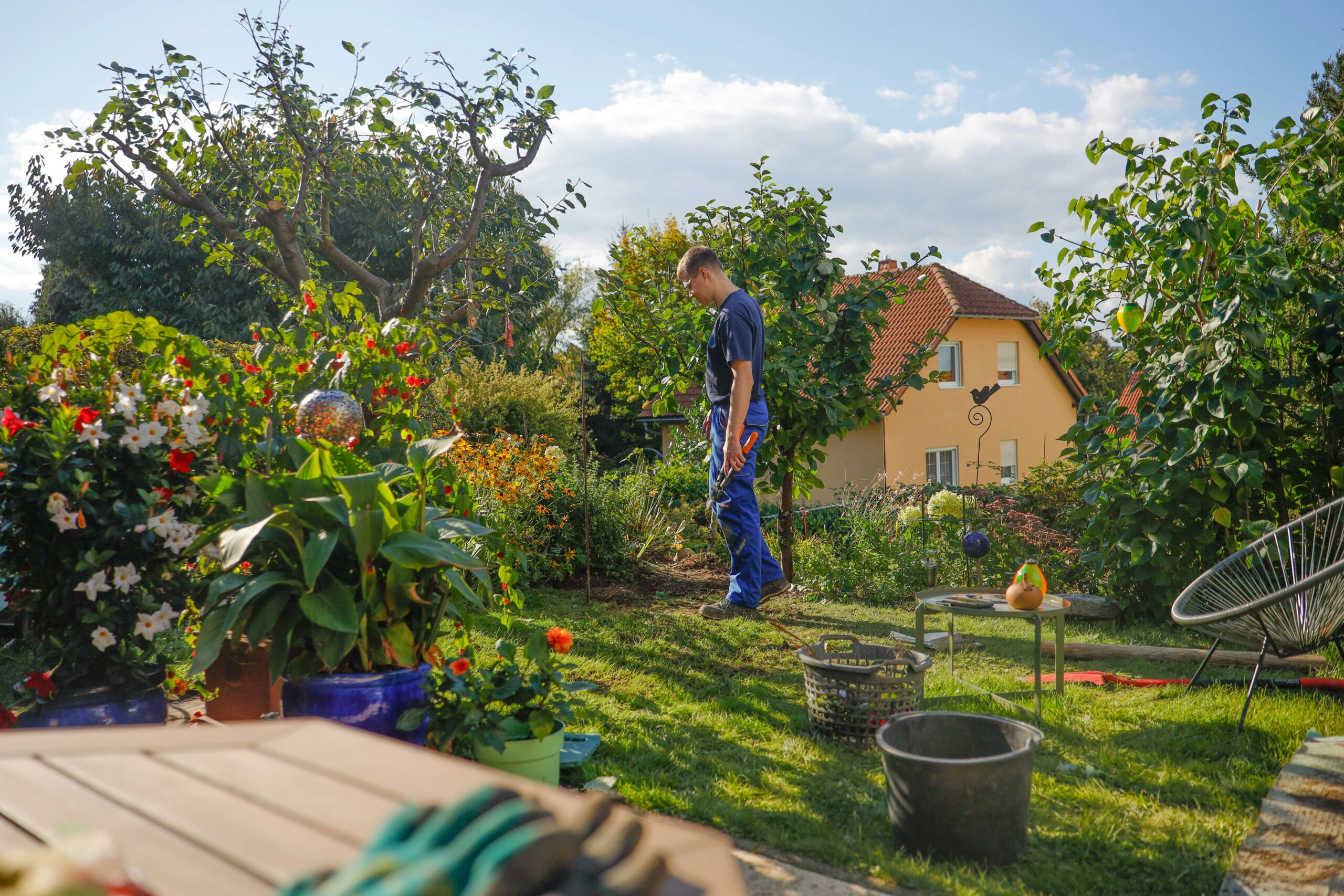
Having a beautiful outdoor space for your family to enjoy is one of the best parts of owning a home. It’s where kids play, summer barbecues happen, and you can sip your coffee in peace each morning. But keeping a yard looking its best can feel like a never-ending chore that drains both your time and wallet. Between watering, fertilizing, and all the general upkeep, costs can really pile up.
Good news, though! You don’t need a huge budget to have a lovely yard. With a few clever tricks and a little planning, you can keep your outdoor space in tip-top shape without overspending.

DIY Lawn Care Essentials
One of the best ways is to do the basics yourself. Sure, it takes a bit of time and effort, but the savings can be huge. For beginners, understanding the fundamentals of gardening is key to growing a healthy lawn that’s tougher and needs less fuss over time.
A great lawn starts with lawn care for beginners, and that means mowing it right. Keep your mower blades set higher. Taller grass helps shade the soil, cuts down on weeds, and encourages roots to grow deeper, which makes them more resistant to drought. Instead of bagging your clippings, leave them on the lawn to break down and return valuable nutrients to the soil. Regular weeding is also super important. If you pull weeds by hand before they go to seed, you can stop a big infestation later on and save you from buying expensive chemical treatments.
Don’t forget to aerate and fertilize your lawn, too. Aerating your lawn annually helps water and nutrients get to the roots more effectively. When it’s time to feed your grass, you can use many affordable lawn care tips such as using slow-release fertilizers that give your grass a steady supply of nutrients for longer.
Smart Watering Techniques
Your water bill can easily become one of the biggest expenses for yard maintenance, especially during dry summer months. Luckily, you can cut down on water use a lot with a few simple changes to your routine.
First off, timing is everything. Water your lawn and gardens early in the morning, usually between 6 a.m. and 10 a.m. Second, water deeply but less often to encourage roots to dig deeper into the soil and make them more resistant to dry spells. A good rule of thumb is to give your lawn about an inch of water per week, including any rainfall. You can measure this by putting an empty tuna can in your yard while the sprinkler is running.
Think about upgrading your watering tools as well. Soaker hoses and drip systems water plants at the roots and waste less water. For your lawn, a simple oscillating sprinkler is more efficient than a pulsating one. You can also try collecting rainwater in a barrel and using it to water your garden for free.
Choosing the Right Plants for Savings
Image Credit: Unsplash
The plants you pick for your garden and landscaping really affect your long-term maintenance costs and effort. Choosing plants that are a good fit for your specific climate and soil is one of the best ways to create a beautiful and budget-friendly yard.
Start by embracing native plants. Since they’re already at home in the environment, they need way less water, fertilizer, and general care than exotic plants. Your local agricultural extension office or a good nursery can give you lists of plants native to your area.
Considering drought-tolerant plants is another excellent choice for a low-cost landscape. Plants like lavender, sedum, and ornamental grasses thrive with very little water once they’re established. When you’re designing your garden beds, group plants with similar water needs together. This practice, called hydrozoning, lets you water more efficiently instead of overwatering drought-tolerant plants. A little research upfront can lead to a garden that pretty much takes care of itself.
When to Call in Professional Help
Knowing when to call for expert help is a smart move that can save you money, prevent damage to your property, and keep you safe. Certain projects just need specialized equipment, training, and insurance that the average homeowner doesn’t have.
Big jobs like putting in an irrigation system or regrading your yard to fix drainage issues need a professional touch to get done right. Another crucial area where professional help is a must involves large trees. If you have a mature tree that looks sick, has big dead branches, or is leaning dangerously towards your house, it’s a serious hazard. In these cases, professional tree trimmers can safely check, prune, or remove the tree without damaging your property.
Creating a Seasonal Maintenance Schedule
A simple maintenance schedule can help you stay organized and tackle jobs at the right time of year. Following a few seasonal garden care practices consistently works better than doing one massive cleanup once a year. Here’s a quick breakdown of tasks by season:
- Spring: This is the time to clean up and get ready. Rake up any leftover leaves and debris from winter. Test your soil’s pH to see if it needs anything added. It’s the perfect time to aerate your lawn, reseed any bare spots, and put down a pre-emergent herbicide to stop crabgrass. Plus, it’s a great moment to tune up your lawn mower and sharpen its blades for a clean cut.
- Summer: In summer, the main focus is just keeping things going. Mow regularly, but don’t cut the grass too short. Water deeply when needed, especially during dry spells. Keep an eye out for weeds and pull them before they spread. This is also a good time to just enjoy all your hard work!
- Fall: Fall is the most crucial time to fertilize in many areas, as it helps the grass grow strong roots for the next spring. Caring for your lawn on a budget means putting your effort where it will make the biggest difference, and fall fertilizing is a prime example.
- Winter: During winter. your main job is to keep people from walking on frozen or soggy grass too much to prevent damage. This is also a great time to clean and store your tools and start planning any new landscaping projects for spring.
A beautiful yard is like an extension of your home, and with a bit of smart planning, it can be affordable. By focusing on clever, preventative care, you can create a wonderful outdoor retreat for your family to enjoy.

