


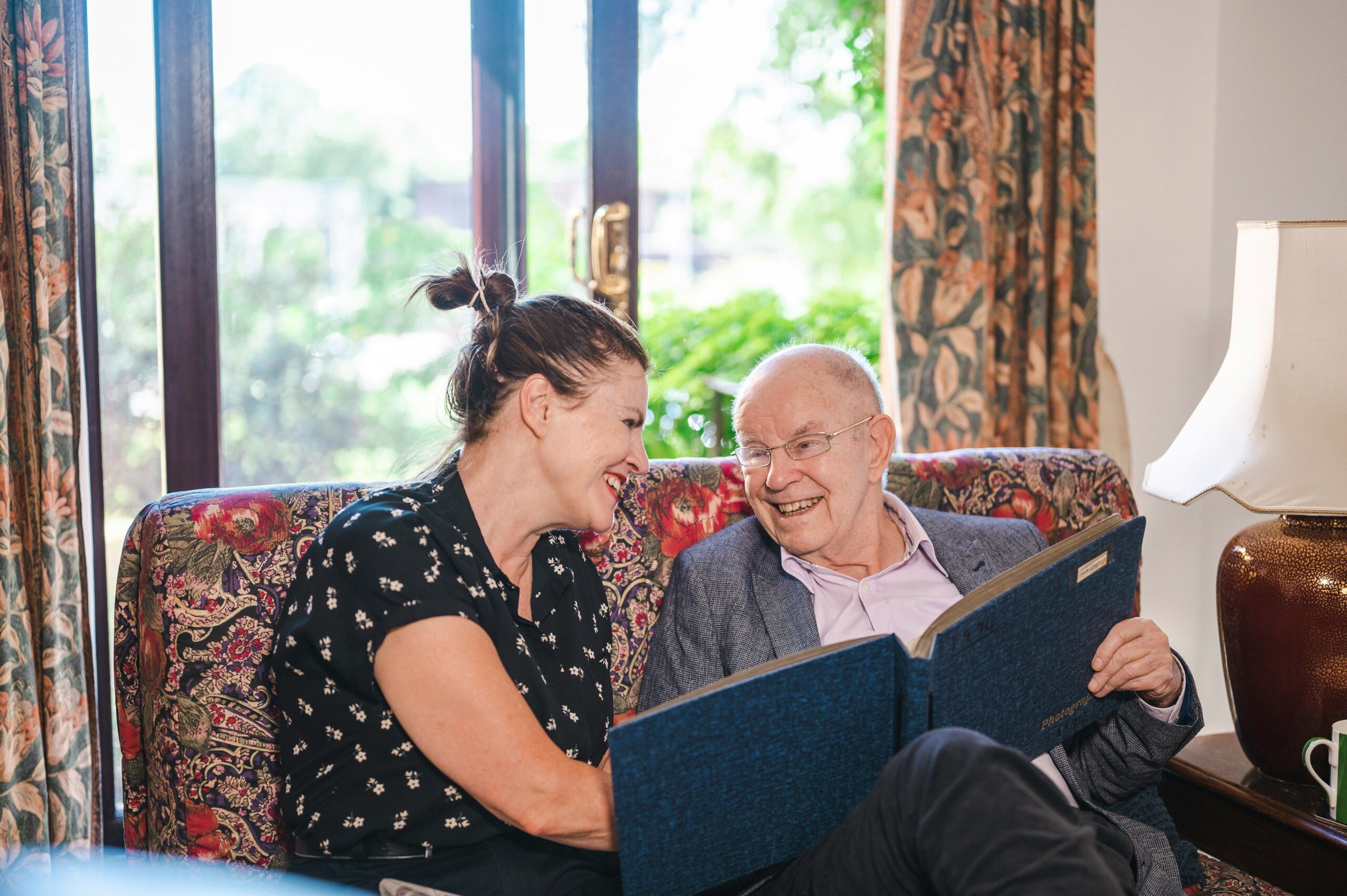
Watching our parents or other family members grow older is a natural, yet often emotional, part of life. As their needs begin to shift, it’s common to wonder how we can best support them in maintaining their independence and quality of life. The goal isn’t to take over, but to walk alongside them, offering a helping hand and a listening ear so they can continue to age with dignity and grace.
Supporting an ageing loved one often means finding the balance between offering help and respecting their ability to make their own decisions. Taking this approach can help preserve their confidence whilst ensuring they feel supported when they need it most.

Understanding Changing Needs
To support your loved one effectively, it’s important to recognise that their needs may change over time. These shifts are often gradual and can be physical, emotional, or social. It’s not always about a major health crisis; sometimes it’s noticing that Dad is finding it harder to read the newspaper or that Mum isn’t as keen on her long garden walks anymore.
Open and honest communication is important, but it should always be approached with sensitivity. Instead of making assumptions, ask gentle questions. “I’ve noticed you haven’t been in the garden as much. Is everything alright?” can be more effective than “You need to stop gardening.” It’s also important to recognise the different family support roles that can develop. One sibling might be better at practical tasks, while another excels at providing emotional companionship.
Encouraging Active Engagement
Staying active and engaged is vital for mental and physical well-being at any age. As people get older, they may withdraw from activities they once enjoyed, often because they’ve lost confidence or have physical limitations. Encouraging them to stay connected can make a huge difference.
This doesn’t have to mean strenuous activity. It could be joining a local book club, taking up a new hobby like painting, or attending a community centre’s weekly coffee morning. If a previous hobby has become difficult, think about how it could be adapted. A keen gardener who can no longer manage large flowerbeds might find joy in creating a small container garden on a patio or balcony. The focus should be on enjoyment and social connection, not performance.
Resources for Enhanced Mobility
One of the biggest challenges affecting an older person’s independence is reduced mobility. A simple trip to the shops can become a daunting task if they’re worried about their balance or getting tired. Fortunately, a wide range of equipment and support solutions is available to help.
Sometimes, simple adjustments are all that’s needed. A sturdy walking stick can provide stability, while a well-placed grab rail in the bathroom can prevent falls. For those who need more support, a wider variety of mobility aids can help maintain freedom and confidence. Exploring these options together can empower your loved one to continue participating in daily life, from visiting friends to enjoying a walk in the park.
Making Home Life Safer
The home should be a place of comfort and safety, but as we age, familiar surroundings can present new hazards. A simple home safety check can help identify potential risks before they become serious issues.
Start by looking for common trip hazards like loose rugs, cluttered hallways, and trailing electrical cords. Ensure all areas of the house, especially stairways and bathrooms, are well-lit. Installing non-slip mats in the bath or shower and adding grab rails can significantly reduce the risk of falls. For added reassurance, consider simple technology such as personal alarms that can be worn around the neck or on the wrist.
Connecting with Support Networks
Remember, you don’t have to do this alone. Supporting an ageing loved one is a team effort, and there are many resources available to help you. Connecting with others who are in a similar situation can provide invaluable emotional support and practical advice.
Local councils and charities often run services and social groups specifically for older people. These can be a wonderful way for your loved one to meet new people and stay connected to their community. Don’t forget to look after yourself, too. Carer support groups, both online and in-person, can be a lifeline, offering a space to share experiences and find solutions. Taking these steps can help your loved one live a fuller life whilst ensuring you have the support you need as well.
Ultimately, supporting your loved one as they age is about showing you care. Small, thoughtful actions and open conversations can make all the difference in helping them feel valued, respected, and secure.

